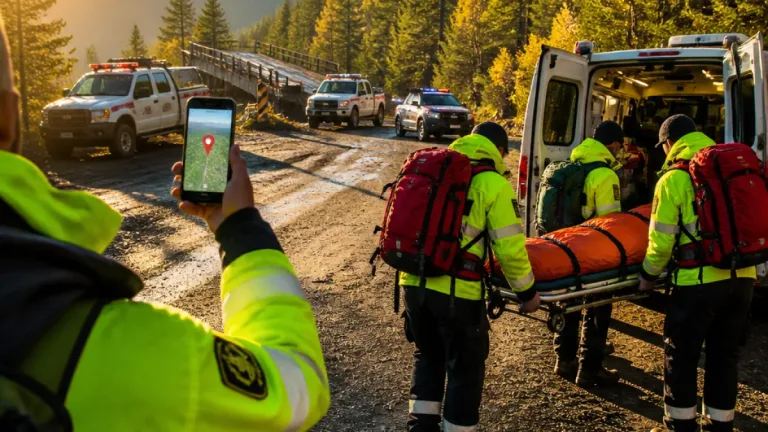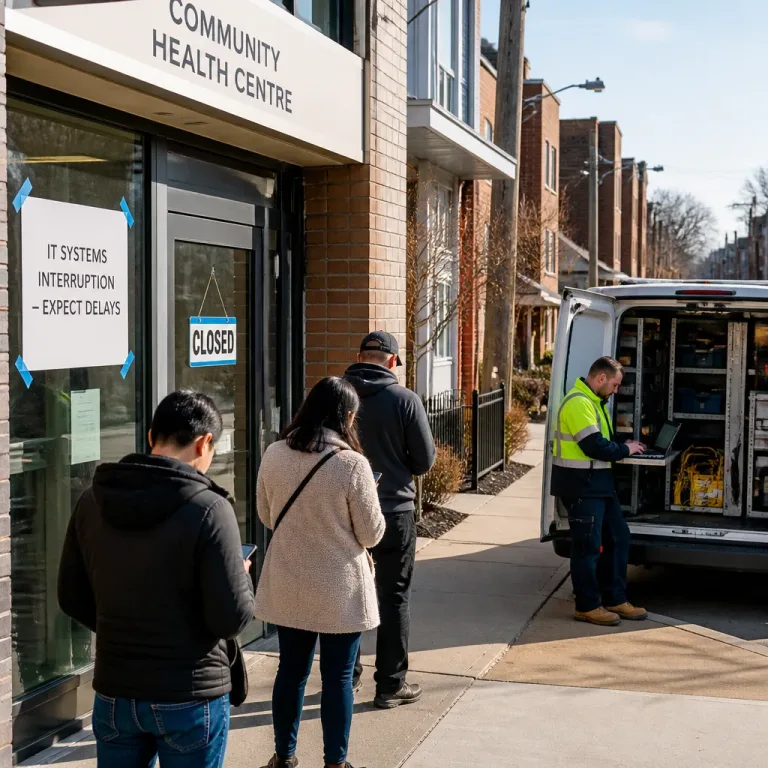
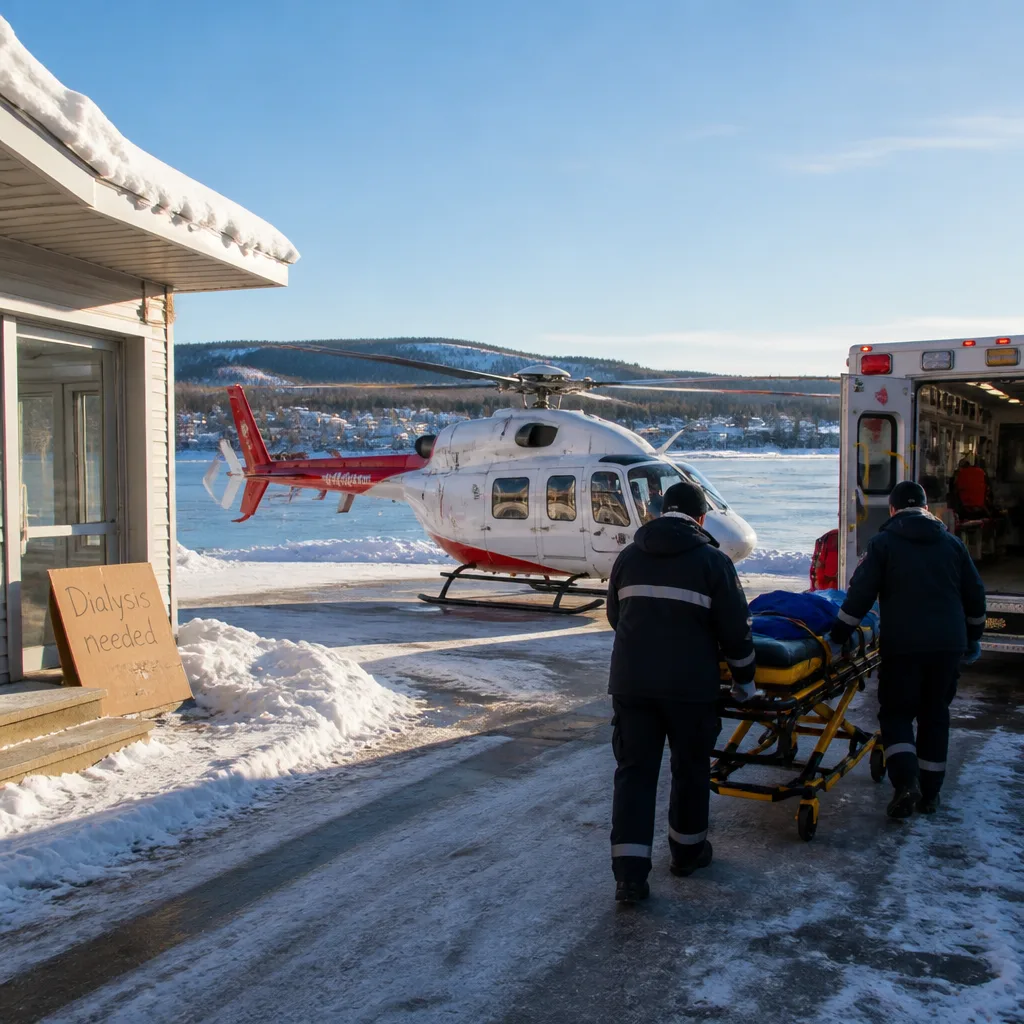
La Ronge, Sask. — Officials in this northern hub say residents have access to fundamental health services, but when conditions require specialist treatment or time is critical they increasingly rely on air ambulance transfers to reach care.
Air transport plays a vital role
Mayor Joe Hurdyski told provincial media that the town and surrounding communities use air ambulance services regularly to move patients to advanced care. He singled out a partnership with Rise Air as an important component of the emergency response system, particularly given the region's remote geography.
“Most of the time, an ambulance will take care of that, but when it is important care and time is needed, obviously airlift is the way to go. A lot of people in our community do take advantage of that service, and a lot of cases wouldn’t be here if it weren’t for that service,” Hurdyski said.
Hurdyski praised the role of air transport in getting critically ill or injured patients to appropriate facilities but warned that reliance on airlift underscores gaps in local capacity. The town functions as a service centre for wide swathes of northern Saskatchewan, and that regional role increases pressure on La Ronge’s health infrastructure.
Local services, provincial coordination and capacity review
The mayor said La Ronge will continue to press provincial authorities for a broader range of services locally, noting dialysis as an example of care residents must now seek elsewhere. He stressed the need for ongoing discussion between municipal leaders, the Saskatchewan Health Authority, local emergency medical services and air ambulance providers to ensure capacity meets demand — especially when multiple emergencies occur at the same time.
Hurdyski also described how the town reviews call histories and resource use to identify where gaps might appear and when partnerships need strengthening. He called for clear communication among agencies to make sure response capabilities are sufficient in volume and scope.
Underlying health trends and prevention
Beyond emergency response and access to specialist treatment, the mayor pointed to shifting lifestyles as a contributor to health challenges in the community. He contrasted historical diets that relied on traditional foods with current patterns that include faster, more processed options.
“People used to have more natural, you know, eat wildlife and berries, and those kinds of things. Now everybody’s in a rush. All we have is fast food, and it catches up to people,” Hurdyski said, linking changing food habits and daily routines to chronic health concerns.
Those comments frame La Ronge’s requests for expanded local services not only as an urgent need for critical care access but also as part of a broader public-health conversation about prevention, chronic disease management and culturally appropriate care in northern communities.
What the community is asking for
La Ronge leaders are seeking:
- More specialist services locally, to reduce the need for long-distance transfers;
- Dialysis and other ongoing treatments that currently require travel;
- Improved coordination between municipal emergency services, the Saskatchewan Health Authority and air ambulance providers to match resources with call volumes.
Those requests mirror concerns raised in other remote and rural parts of Canada, where geography, workforce shortages and service centralization create barriers to timely access to care.
| Service | Current situation (per mayor) |
|---|---|
| Basic health services | Available locally |
| Specialist/ongoing treatments (e.g., dialysis) | Often require travel outside region |
| Emergency transport | Ground ambulance for many cases; air ambulance used when time-critical |
As La Ronge continues to advocate for expanded local offerings, its experience highlights the complex mix of emergency capacity, preventive health measures and interagency planning needed to maintain health equity for remote populations across Canada.