Anak Krakatau, the volcanic remnant of the catastrophic 1883 Krakatau eruption, has shown renewed activity since June 2026, producing a striking sequence of emissions and thermal signals that underline the volcano’s long history of collapse, regrowth and hazard.
From catastrophe to child island
The 1883 eruption of Krakatau is one of the most notorious volcanic disasters in recorded history. Contemporary accounts and later studies estimate the blast produced the loudest sound heard by humans, and the ensuing tsunami killed tens of thousands. In the decades since, volcanic rebuilding produced an island that eventually emerged above the sea and acquired the name Anak Krakatau — literally the “child” of the original edifice.
That cycle of construction and failure has repeated. In December 2018 the island experienced a major collapse that triggered a tsunami and reportedly cost around 400 lives. Smaller eruptions continued through December 2023. After a quieter interval, monitoring agencies reported the return of activity in June 2026, first visible as increased gas emissions and thermal anomalies detected from space.
What scientists are seeing now
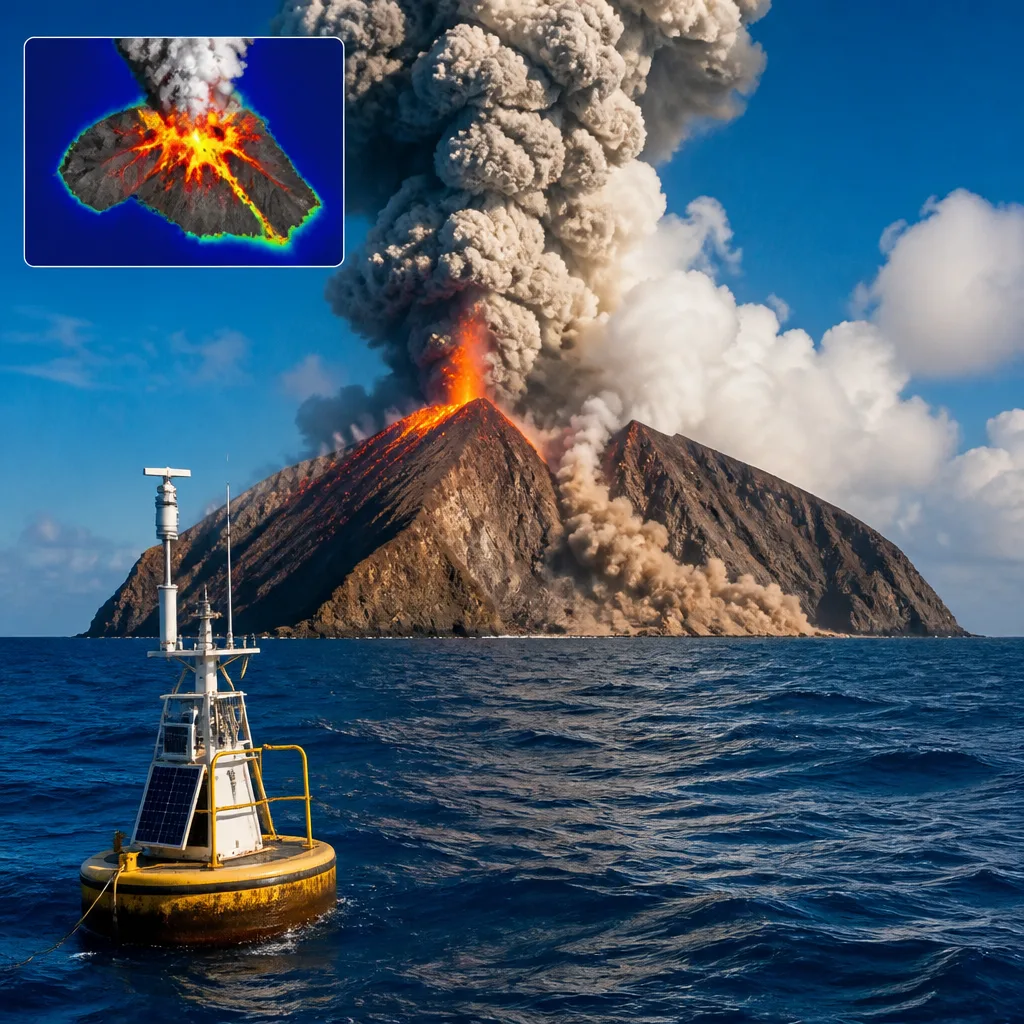
Satellite remote sensing provided the earliest clear signs of renewed unrest: hotspots in thermal imagery and enhanced gas output. Those signals are commonly used to detect changes in magma movement beneath submarine and island volcanoes, especially when direct access is difficult and sea conditions complicate field work.
The recent pulse of activity is consistent with Anak Krakatau’s behaviour since its re-emergence in the 20th century — episodic growth, flank instability and intermittent explosive events. That pattern poses continuing risks because collapse of unstable material into the surrounding sea can generate tsunamis, and explosive eruptions can distribute ash and volcanic gases over nearby coastal regions and shipping lanes.
- 1883: Major eruption, global atmospheric effects and a tsunami with very high casualties (historical estimates around 36,000 deaths).
- 2018: Catastrophic collapse of Anak Krakatau’s flank, tsunami and significant fatalities (~400 victims).
- 2023: Continued smaller eruptions through December.
- June 2026: Renewed activity indicated by gas emissions and satellite thermal anomalies.
| Year | Event | Consequences |
|---|---|---|
| 1883 | Major Krakatau eruption | Widespread atmospheric effects; ~36,000 deaths from tsunami |
| 2018 | Anak Krakatau collapse | Tsunami; ~400 fatalities |
| 2023 | Ongoing smaller eruptions | Intermittent activity through December |
| 2026 (June) | Renewed unrest | Gases and thermal signals detected by satellite |
Implications for monitoring and coastal safety
The recent observations carry two clear messages for hazard managers and communities in affected regions. First, Anak Krakatau remains an inherently unstable volcanic system. Growth phases can be followed by rapid failure of volcanic slopes, and failure at sea can produce local tsunamis with little warning. Second, modern monitoring — especially satellites that can track thermal anomalies and gas emissions — increases early detection capability compared with past eras, but does not eliminate risk.
Authorities and scientists typically combine remote sensing with local seismic networks, gas measurements and occasional field surveys when safe. The integration of those data streams allows for more timely alerts and targeted warnings to coastal communities and mariners, but the episodic nature of Anak Krakatau’s behaviour means vigilance is necessary even during periods of apparent calm.
For the broader scientific community, the island remains a natural laboratory for studying processes of volcanic island growth, flank instability and the ways eruptions interact with shallow marine environments. Each phase of activity yields new data on how magma supply, structural weakness and sea-water interaction produce the sometimes violent transitions between creation and collapse.
As monitoring continues, any significant escalation would be assessed and communicated by regional volcanological agencies and international observatories. For now, the renewed signals are a reminder of Krakatau’s volatile legacy: an island born of violence that can reassert that violence with little notice.