Researchers have identified a gut-associated fungus that appears to shield mice from some of the damaging effects of ionizing radiation, a finding that opens fresh avenues for radioprotection research and microbiome-based therapies.
Fungal ally against radiation
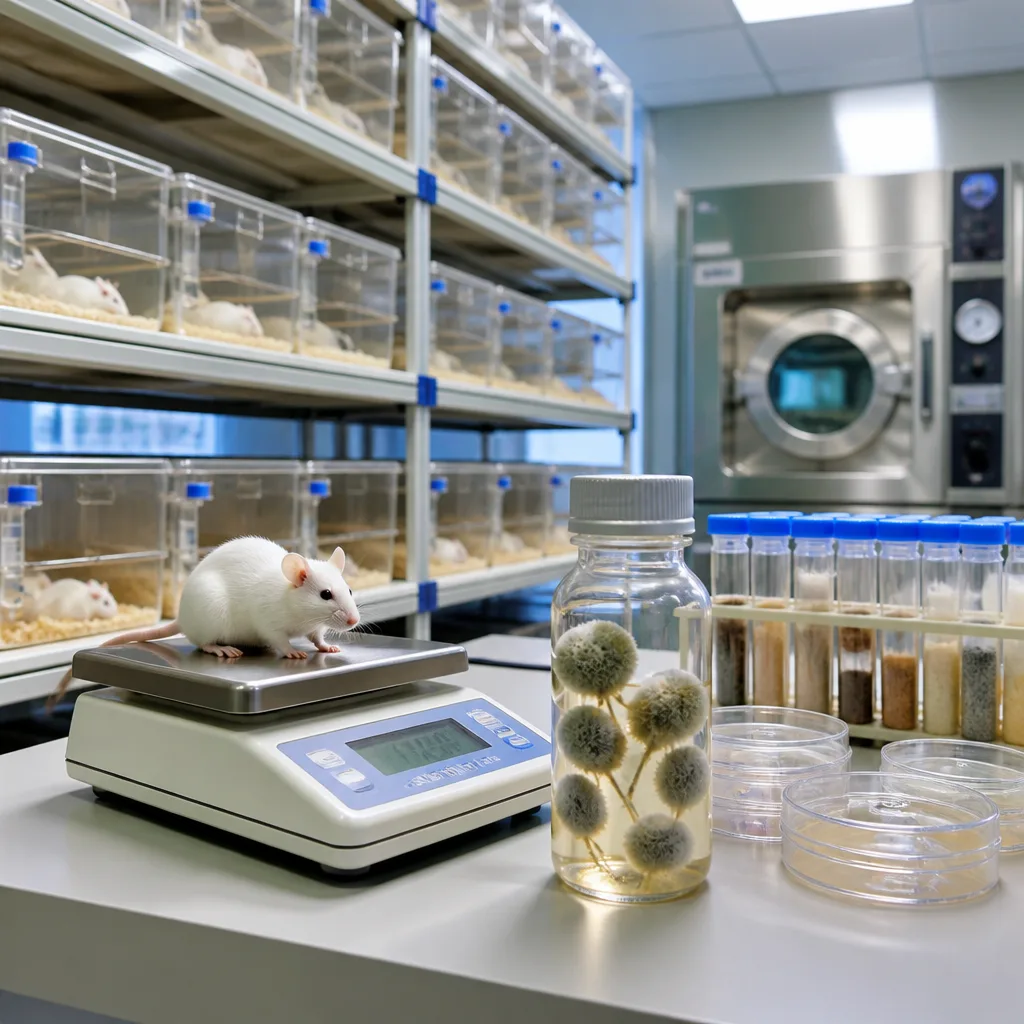
The study, published in Proceedings of the National Academy of Sciences (PNAS), examined the effects of Mucor racemosus, a symbiotic fungus known to inhabit the human gut. In controlled experiments, mice given the fungus experienced reduced weight loss, lower markers of inflammation and diminished oxidative stress after exposure to radiation compared with untreated animals.
"These results demonstrate that M. racemosus directly alleviates radiation-induced intestinal injury in mice," the researchers wrote.
That protection persisted in germ-free mice — animals raised without other microbiota — indicating the fungus can act directly rather than solely by modifying the existing microbial community. The protective effect was amplified when the researchers preadapted the fungus to the low-oxygen environment typical of the gut, suggesting physiological tuning enhances its benefits.
How the fungus may work
Follow-up laboratory work pointed to biochemical mechanisms that could underlie the radioprotective properties. The investigators identified three amino acids produced by the fungus — L-glutamic acid, L-aspartic acid and another compound — that appear to contribute to cellular resilience after irradiation. Tests on intestinal cells and in animal models implicate these metabolites in reducing oxidative damage and inflammatory responses associated with radiation injury.
The findings build on prior observations that certain fungi resist extreme radiation; however, the new work differs in emphasising a symbiotic fungus that may actively protect a host rather than merely tolerate radiation. The study also echoes previous reports of so-called radiotrophic fungi, which exploit radiation as an energy source, but it centres on a distinct, host-associated interaction with therapeutic potential.
Implications and limits
For now, the results are preclinical. The experiments were conducted in mice and in cell systems; the authors did not test the fungus in humans. Translating these findings to clinical use would require extensive additional research to confirm safety, dosing and effectiveness in people, and to understand any unintended consequences of introducing or augmenting a fungal species in the gut.
Potential applications could include adjunctive therapies for patients undergoing radiation therapy, emergency measures for accidental exposures, or protective strategies for long-duration spaceflight — areas where reducing intestinal injury and systemic oxidative stress would be valuable. But experts caution that promising animal data often do not replicate in human trials, and the complexity of the human microbiome means intervention outcomes can be unpredictable.
- Direct protection: M. racemosus reduced weight loss and markers of intestinal injury in irradiated mice.
- Independent action: Effects persisted in germ-free mice, suggesting the fungus itself mediates protection.
- Biochemical mechanism: Amino acids produced by the fungus are implicated in lowering oxidative stress and inflammation.
| Observed outcome | Reported effect |
|---|---|
| Weight loss after radiation | Reduced in fungus-treated mice |
| Inflammation markers | Lower in treated animals |
| Oxidative stress | Diminished with fungal administration |
The researchers also found that preadapting M. racemosus to the gut’s low-oxygen conditions increased its protective effect, highlighting the importance of physiological context when developing microbial therapies.
Next steps
Future work will need to determine whether the fungus is safe and effective in larger animal models and ultimately in humans, and to explore delivery strategies — whether live fungal preparations, purified metabolites, or engineered probiotics could be the practical route to therapy. Researchers will also need to map potential side-effects and interactions with existing gut microbes and medications.
While the discovery does not immediately change clinical practice, it underscores a broader trend in biomedical science: the search for therapeutic benefits hidden within the microbiome, including organisms often dismissed as contaminants or pathogens. If borne out in further studies, the radioprotective properties of M. racemosus could represent a novel tool for reducing tissue damage from radiation exposure.
Reporting is based on the PNAS publication summarised in ScienceAlert on Sept. 7, 2026.