
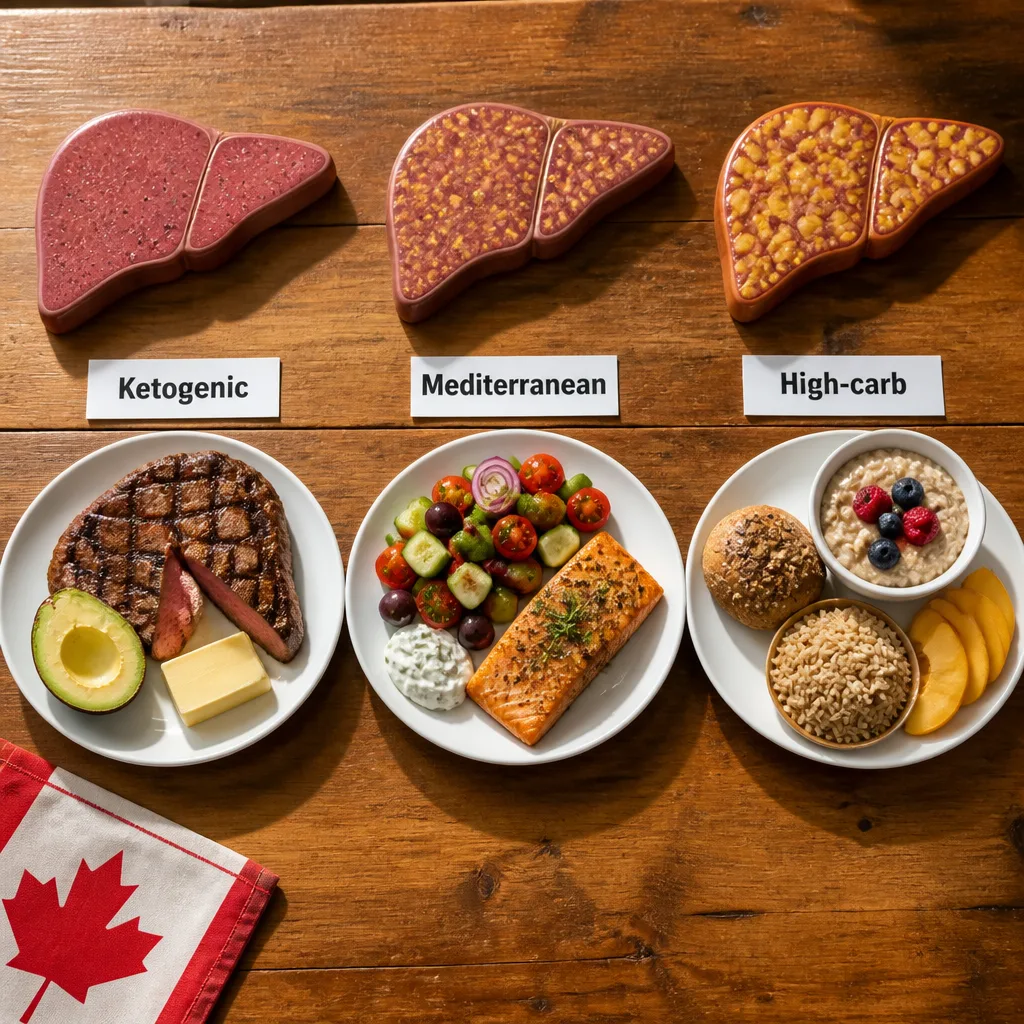
A small randomized trial found that adults with obesity and prediabetes who followed a very-low-carbohydrate, high-fat ketogenic diet lost a similar amount of weight as people on other diets but experienced substantially larger reductions in liver fat and greater improvement in liver insulin sensitivity.
Study design and principal findings
The trial, conducted at Washington University School of Medicine and reported in Cell Metabolism, enrolled 55 adults with obesity, prediabetes and excess liver fat. Participants were randomised to one of three eating plans for about five months: a ketogenic diet, a high-carbohydrate low-fat plant-forward diet, or a Mediterranean-style diet.
All three groups lost roughly the same amount of body weight, about 10 per cent of baseline weight, and improved skeletal muscle insulin sensitivity by roughly 50 per cent. However, measures of liver health favoured the ketogenic arm:
- Average liver fat decreased by about 67 per cent in the ketogenic group.
- Participants following the Mediterranean or high-carbohydrate diets saw liver fat reductions in the vicinity of 45 per cent.
- The ketogenic group also had a two- to threefold greater improvement in liver insulin sensitivity compared with the other diets.
| Outcome | Ketogenic diet | Mediterranean / High-carb diets |
|---|---|---|
| Weight change | ~10% reduction | ~10% reduction |
| Muscle insulin sensitivity | ~50% improvement | ~50% improvement |
| Liver fat | ~67% reduction | ~45% reduction |
| Liver insulin sensitivity | 2–3× greater improvement | Reference improvement |
Why liver fat reduction matters
Excess fat stored in the liver is a central feature of metabolic dysfunction–associated steatotic liver disease (MASLD), a condition strongly tied to obesity, insulin resistance and type 2 diabetes. In some people, fatty liver can advance to inflammation, scarring and cirrhosis. Clinicians and public-health authorities are increasingly focused on strategies that lower liver fat because they may reduce progression to more severe disease.
While the trial indicates that how weight is lost may affect the liver differently than muscle, investigators cautioned that the study size was modest and the duration limited to around five months. The consistent weight loss across diets suggests that total weight reduction remains important for improving muscle insulin sensitivity, whereas dietary composition may add further benefit for liver-specific outcomes.
Context and limitations
The study adds to a growing body of literature examining how macronutrient composition influences metabolic health independent of weight loss. It does not, however, resolve all questions:
- The sample was relatively small (55 participants), which can limit precision and generalisability.
- Follow-up lasted about five months, leaving longer-term effects — including sustainability, cardiovascular risks, and liver outcomes over years — unaddressed.
- Detailed safety outcomes and adherence data are important when assessing diets that are high in fat or very low in carbohydrates.
Experts often warn that dramatic short-term improvements do not automatically translate to long-term benefit, particularly if a dietary pattern is difficult to maintain or carries other health risks. For people with existing liver disease or other chronic conditions, any change to diet should be discussed with a health-care provider.
Implications for clinical practice and public health
The trial’s findings suggest clinicians may consider macronutrient composition when advising patients with obesity and significant liver fat, particularly if targeted reduction of hepatic fat is a priority. Nevertheless, broader recommendations will require larger, longer trials that evaluate both efficacy and safety over time, including effects on cardiovascular markers and clinical liver endpoints.
For now, the study reinforces two practical points: achieving and maintaining weight loss is central to improving metabolic health, and the specific path to weight loss may offer additional, tissue-specific benefits. Health-care professionals should weigh individual patient circumstances, preferences and comorbidities when recommending dietary strategies.
Reported from national health desk.