
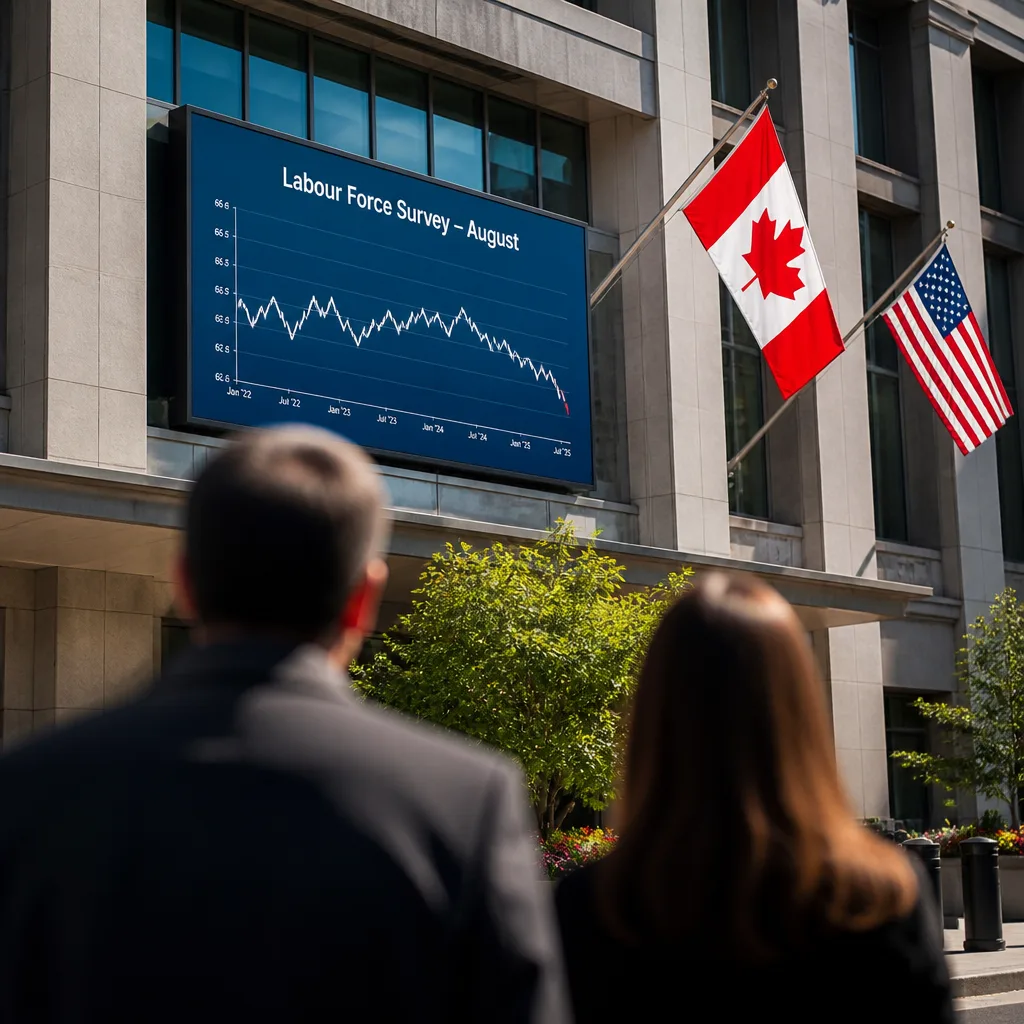
OTTAWA — Statistics Canada is scheduled to publish its labour force survey for August today, with economists in a Reuters poll forecasting modest employment growth and a steady unemployment rate as policymakers weigh the economic fallout from an escalating trade dispute with the United States.
Modest job growth expected
A Reuters poll compiled by LSEG Data & Analytics predicted employers added about 15,000 jobs in August and that the national unemployment rate would remain unchanged at 6.4 per cent. Those forecasts come after a stronger-than-expected gain in July, when Canada’s economy added 75,000 jobs.
The labour force survey is closely watched by governments, businesses and financial markets for signals about consumer demand, wage pressures, and the health of sectors that create the majority of jobs. The August report will be examined for whether recent momentum in hiring has continued and how the labour market might adjust if trade frictions intensify.
Trade tensions add risk to outlook
The employment snapshot arrives against a backdrop of deteriorating trade relations with the United States. According to reporting accompanying the release, bilateral negotiations broke down last month and U.S. President Donald Trump imposed new tariffs on about US$28 billion of Canadian goods. Ottawa has announced its own counter‑tariffs, set to take effect next week.
Economists and policymakers will be looking to the labour report for early signs of any immediate effects on employment in trade‑sensitive industries. The tariff measures target a range of manufactured and agricultural products; disruptions to cross‑border supply chains could have downstream consequences for hiring, investment and hours worked.
- Expected August change: +15,000 jobs (Reuters poll)
- Unemployment rate (expected): 6.4%
- July change (actual): +75,000 jobs
Analysts will also parse the details of the report, including full‑time versus part‑time gains, sectoral shifts, and provincial breakdowns, to assess whether employment growth is broad‑based or concentrated in a few areas. Those nuances matter for understanding wage trends and household incomes, which feed into consumer spending and overall economic momentum.
| Month | Jobs change | Unemployment rate |
|---|---|---|
| July (actual) | +75,000 | — |
| August (Reuters poll) | +15,000 (predicted) | 6.4% (predicted) |
Monetary policymakers and markets monitor monthly employment reports for signals on inflationary pressure in the economy. A tight labour market can push wages higher, which may feed through to consumer prices. Conversely, slower hiring or signs of job losses in export‑oriented sectors could dampen inflation and affect Bank of Canada outlooks.
Beyond raw numbers, the timing of the tariffs and counter‑tariffs means the labour market could face added uncertainty in the coming months. Firms that rely on cross‑border inputs or export markets may delay hiring or investment decisions until the trade dispute is resolved or clarified.
When Statistics Canada releases the detailed labour force survey, analysts will review not only the headline employment and unemployment figures but also participation rates, average hours worked, and sectoral employment to better gauge the resilience of the economy amid rising trade pressures.
"The labour force survey is a key gauge of immediate economic conditions, and today’s numbers will be read in light of recent policy and trade developments,"
The balance of the data will inform federal economic assessments and could influence short‑term fiscal and monetary decision‑making as Canada navigates both domestic economic dynamics and an increasingly fraught relationship with its largest trading partner.