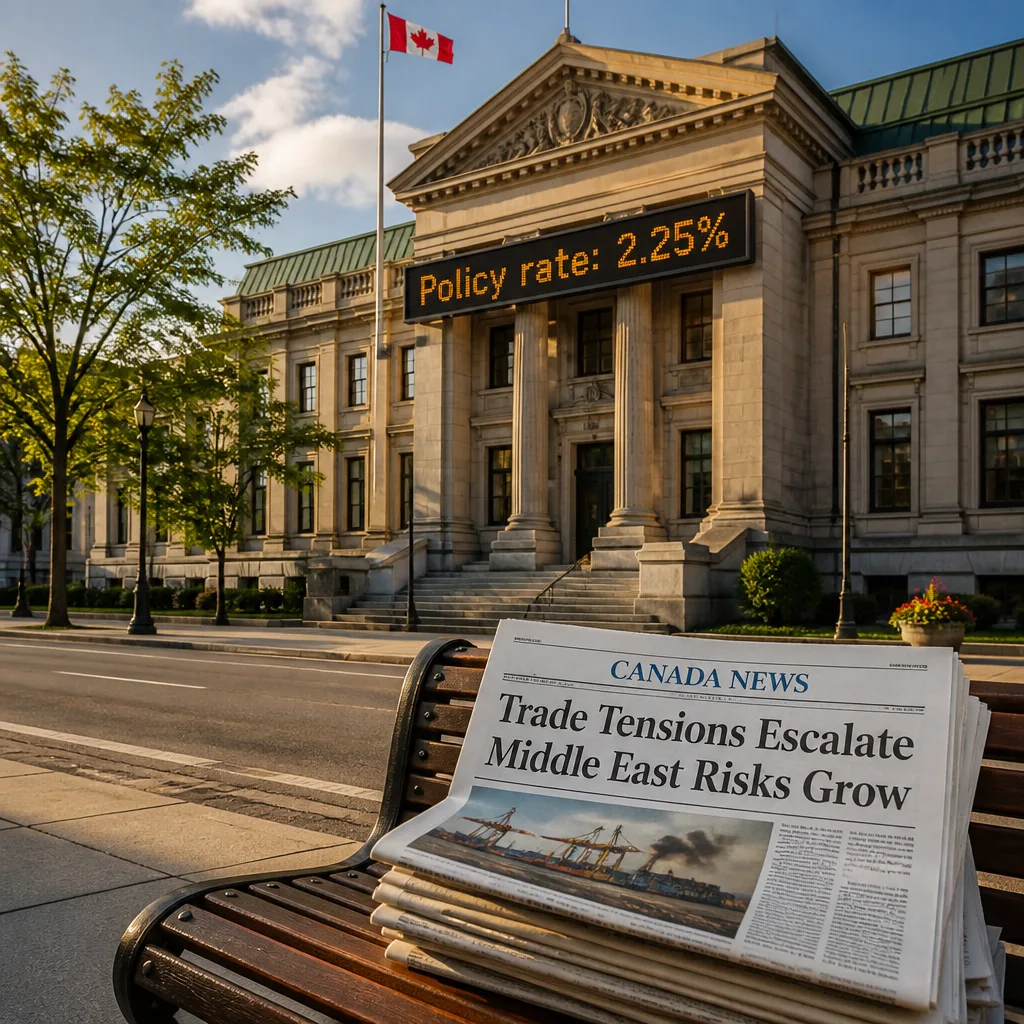
The Bank of Canada announced Wednesday it is maintaining its policy interest rate at 2.25 per cent, marking the seventh consecutive decision in which the central bank has left the rate unchanged. Governor Tiff Macklem delivered the decision as policymakers weigh elevated international risks that are creating uncertainty about the durability of Canada's economic rebound.
Why the bank paused
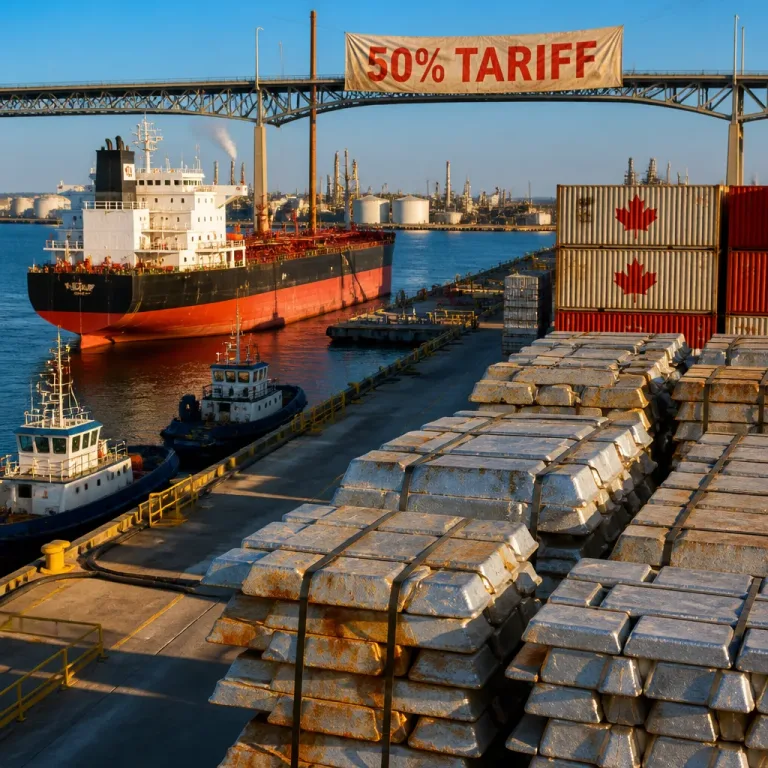
Officials cited a softer global backdrop that has introduced additional downside risks to Canada’s economic path. In particular, escalating trade tensions and a resurgence of hostilities in the Middle East were identified as factors that could dampen demand, complicate trade flows and push volatility into energy and commodity markets — all of which affect Canadian growth prospects.
With the decision, the central bank signalled a cautious stance: rather than adjusting the benchmark rate in response to recent developments, it opted to monitor how international uncertainty and domestic economic indicators evolve before taking further action.
What this means for borrowers and markets
Keeping the policy rate steady at 2.25% preserves the current environment for short-term borrowing costs. For consumers and businesses, the central bank’s pause may mean:
- continuation of the prevailing cost of short-term credit for now;
- reduced immediate pressure on variable-rate mortgages and business lines of credit compared with a rate increase;
- heightened sensitivity to incoming domestic data and developments abroad, which could change the Bank’s path later this year.
Markets typically interpret such a hold as an acknowledgement of elevated risk, leaving future moves contingent on fresh information rather than a predetermined tightening or easing cycle.
Context and risks
The central bank’s pause comes at a delicate juncture. On the one hand, policymakers remain mindful of underlying inflation dynamics and the need to ensure price stability. On the other, renewed global frictions threaten trade and commodity channels that support Canada’s economy.
Because international shocks can transmit quickly through trade and energy prices, the BoC appears to be prioritizing flexibility. Any significant deterioration in global conditions or a marked change in domestic growth or inflation could prompt the bank to reassess its stance.
At a glance
| Item | Detail |
|---|---|
| Policy rate | 2.25% |
| Consecutive holds | 7 |
| Key risks cited | Trade tensions, renewed hostilities in the Middle East |
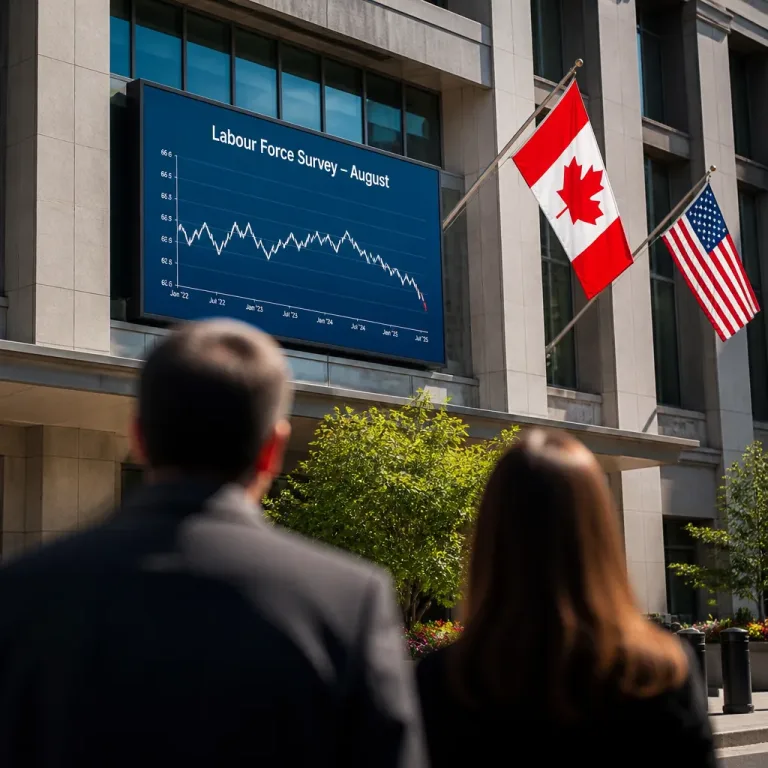
By pausing, the Bank of Canada is buying time to see how international developments interact with domestic indicators such as consumer spending, business investment and labour-market conditions. The decision underscores how global geopolitics and trade dynamics can shape Canadian monetary policy choices even as core economic relationships at home remain under observation.
Observers will now watch the Bank’s forthcoming communications and incoming Canadian and international data for clues about the timing and direction of the next rate step. Until then, households and firms will need to factor persistent uncertainty — both at home and abroad — into financial and investment decisions.