
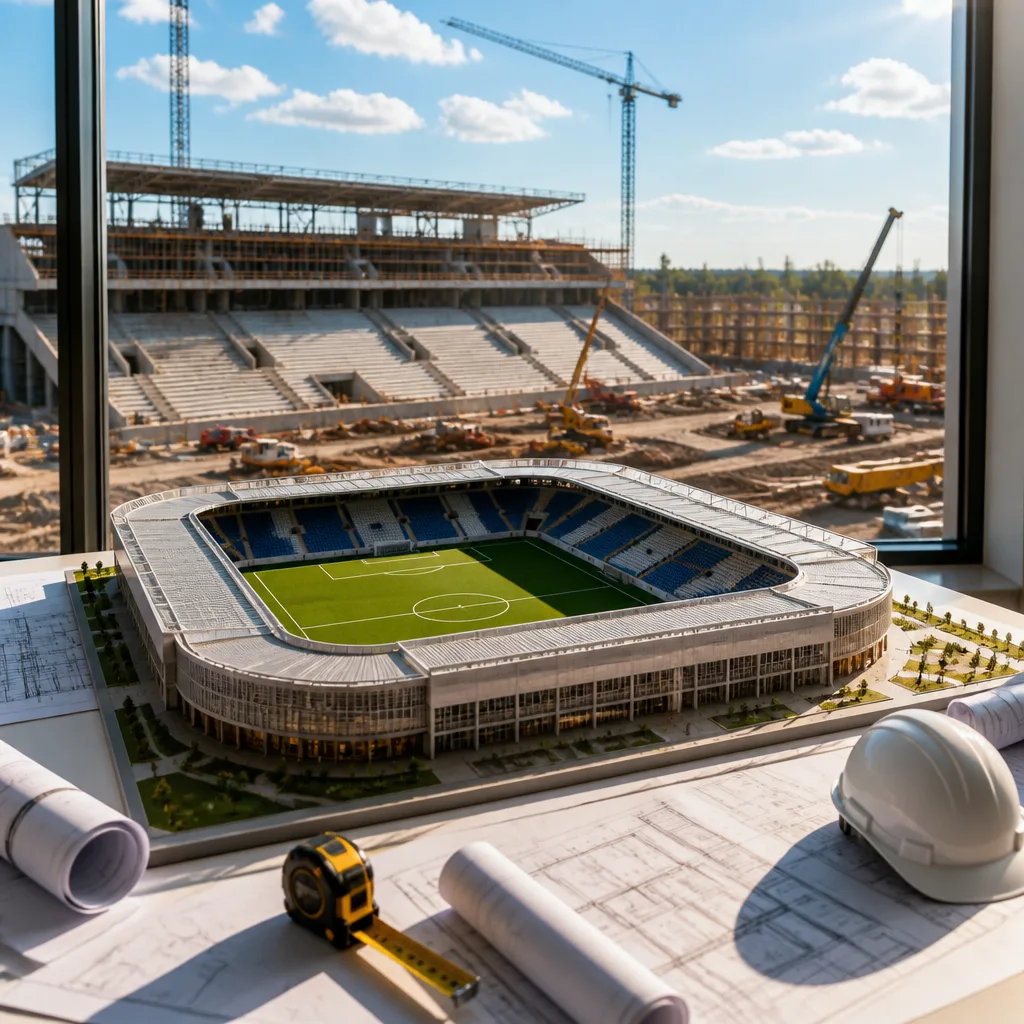
The design firm Populous and investor Project Level say purpose-built stadiums can be a game-changer for women’s professional sports, producing what they call “transformative” revenue over time. Their new 30-page white paper estimates that a dedicated venue can drive between $1 billion and $3.8 billion in cumulative incremental revenue for a women’s sports team over 30 years, with a 30-year net present value of ownership ranging from $211 million to $637 million.
Infrastructure, not demand, is the bottleneck
The report frames the core challenge facing the women’s game as an infrastructure problem rather than a demand shortfall. With attendance, media interest and sponsorship expanding in many markets, the authors argue that ownership of a tailored venue unlocks revenue streams that are otherwise hard to capture when teams rent or share facilities.
“When we started realizing the actual benefits of owning a stadium in Denver, and how it was directly impacting all of the revenue streams projected, that’s where the thought sparked — ‘we should share this with everybody else to convince more owners and more teams to get into this,’” said Asrat Alemu, a vice-president at Project Level, in an interview with The Athletic.
The white paper was produced in collaboration with advisory firm Comeback Ventures and drew on work the two organisations have done with the Denver Summit ownership group. Populous is designing an expandable, 14,500-seat stadium at Santa Fe Yards for that club; Project Level is an investor. The stadium project is expected to break ground this fall, according to the report.
Case studies and league context
The report uses the Kansas City Current and its CPKC Stadium as a case study. Since the NWSL began in 2013, Kansas City has been the only club to build and operate its own venue, and the authors highlight the impact that ownership had on the team’s revenue model.
Expansion clubs are already following suit. The report notes that Denver Summit and Boston Legacy — both new entrants this season — plan stadium openings in 2028. In Europe, Brighton & Hove Albion have expressed the aim of becoming the continent’s first club with a purpose-built home for their women’s team by 2030.
The paper also referenced comments from NWSL commissioner Jessica Berman, who in 2024 identified infrastructure as the league’s “hardest problem to solve,” underlining why purpose-built venues are central to long-term league strategy.
- Report length: 30 pages
- Projected incremental revenue (30 years): $1.0B–$3.8B
- 30-year NPV of stadium ownership: $211M–$637M
- Notable projects: Denver Summit (Santa Fe Yards), Kansas City Current (CPKC Stadium), Brighton target (20230)
| Metric | Range |
|---|---|
| Cumulative incremental revenue (30 years) | $1.0B–$3.8B |
| 30-year net present value | $211M–$637M |
Those numbers illustrate why ownership is being pitched as a strategic lever: a venue can capture ticketing, premium seating, concessions, hospitality, naming rights and non-matchday uses — several revenue streams that are limited or inaccessible when clubs rely on municipally owned or shared stadia.
Consequences for owners, leagues and cities
If the report’s projections hold, the implications are wide. For investors and ownership groups, stadiums present an opportunity to monetise interest in women’s sports beyond gate receipts and broadcast deals. For leagues, a wave of purpose-built venues would change competitive dynamics, potentially privileging clubs with the capital to build or finance homes. And for municipalities, the report raises questions about public partnerships and the broader economic case for new or upgraded sporting infrastructure.
The pop of interest in purpose-built venues is already visible: NWSL expansion decisions and club investment strategies increasingly factor stadium proposals into their planning. The Populous/Project Level report aims to translate those early pilots into a blueprint other owners can follow — a playbook, the authors say, that could scale the commercial viability of women’s teams.
Whether the growth trajectory for stadium ownership materialises will depend on financing, land availability, municipal support and the ability of clubs to convert attendance and media attention into sustainable year-round incomes. The report makes the financial case; the next step is execution on the ground.