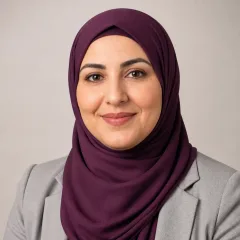
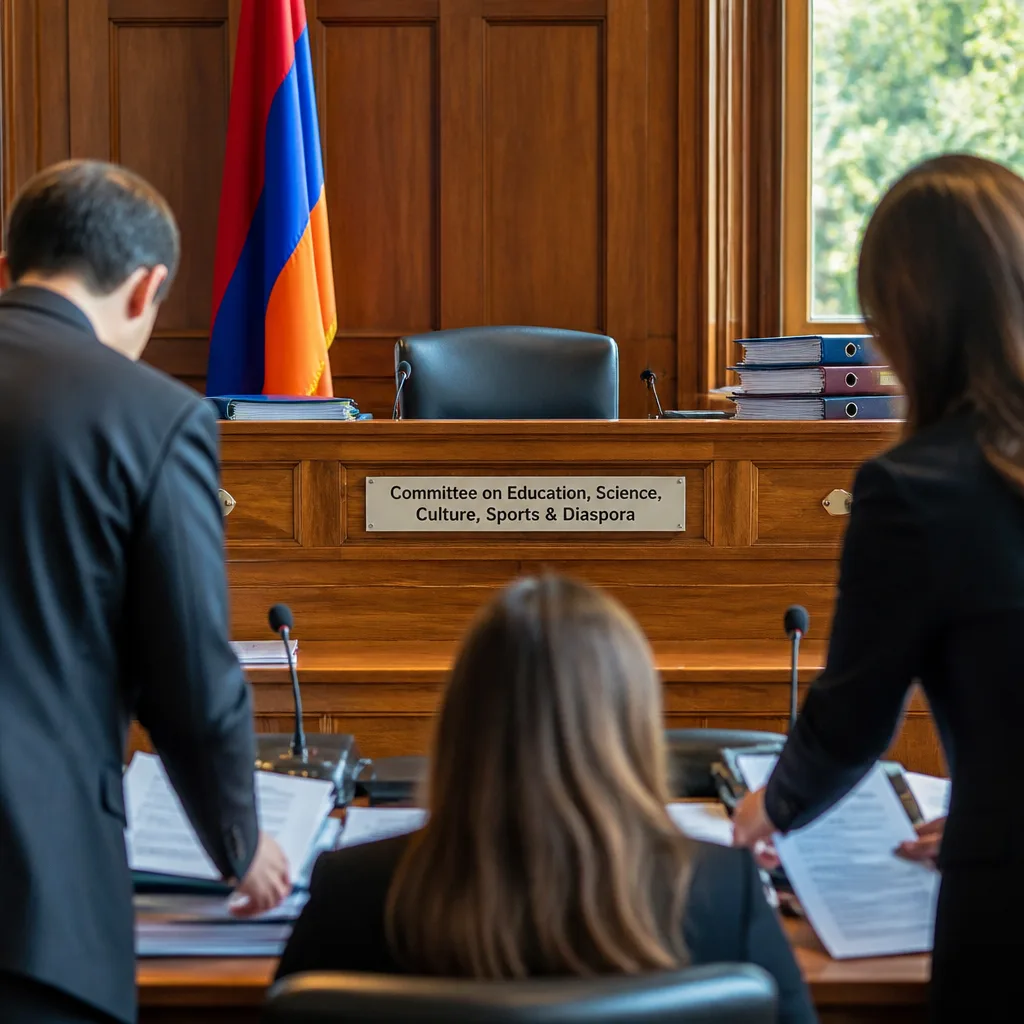
The Civil Contract faction of Armenia’s National Assembly has nominated Sisak Gabrielyan to serve as chair of the parliamentary Standing Committee on Education, Science, Culture, Sports and Diaspora Affairs, the faction announced on Wednesday.
Professional background and trajectory
Gabrielyan was first elected to the National Assembly on Dec. 9, 2018 from the nationwide list of the My Step alliance. He holds a degree from Yerevan State University’s Faculty of Journalism, completed in 2016, and in 2017 he enrolled in the university’s Faculty of Law.
His media career stretches across Armenian television and international broadcasting. From January to September 2014, he worked as a journalist for A1+ television. Between 2014 and 2018 he was on the staff of Radio Free Europe/Radio Liberty, where he worked as a journalist and as a presenter for both television and radio. In 2018 Gabrielyan authored and hosted a programme titled Politics from the Inside.
Training and international exposure
Gabrielyan’s résumé includes international media training: in 2015 he took part in a training course on the challenges of online media held in Prague. That experience complements his journalism qualifications and academic legal studies.
What the committee role covers
The committee Gabrielyan has been nominated to lead has a broad remit. Its formal title names five policy areas: education, science, culture, sports and diaspora affairs. As chair, the person would help steer parliamentary work on legislation, hearings and oversight related to those sectors.
- Education: curriculum, school governance and higher education policy.
- Science: research funding frameworks and university research links.
- Culture and sports: cultural policy and national sport development programmes.
- Diaspora affairs: policies affecting Armenians living abroad and ties with the homeland.
Timeline: Gabrielyan’s career highlights
| Year | Activity |
|---|---|
| 2014 | Journalist at A1+ television (Jan–Sep); began work with Radio Free Europe/Radio Liberty |
| 2015 | Attended online media training in Prague |
| 2016 | Graduated from Yerevan State University Faculty of Journalism |
| 2017 | Enrolled in YSU Faculty of Law |
| 2018 | Host and author of Politics from the Inside; elected to National Assembly (Dec. 9) |
Context and potential implications
Gabrielyan’s media background and legal studies give him a profile grounded in communication and institutional rules. As chair, he would preside over committee proceedings that shape legislation and supervise ministries and agencies active in education and research. The committee’s work also touches cultural programmes, national sport initiatives and relations with the Armenian diaspora—areas that can influence funding priorities, public outreach and international partnerships.
His nomination comes from the Civil Contract faction, which remains a leading force within the My Step political grouping. The selection of committee chairs typically reflects a mix of policy priorities, parliamentary negotiations and party strategy; the factional nomination signals its choice for who will manage parliamentary scrutiny and agenda-setting in these interlinked policy domains.
For students, educators and families, committee leadership affects how bills are advanced, how amendments are debated and what items receive public hearings. For researchers and cultural institutions, the committee’s oversight influences programme approvals and legislative support for grants or institutional reforms. For the diaspora, the committee offers one of the formal parliamentary pathways through which policy for relations with Armenians abroad is discussed.
The nomination must proceed through the National Assembly’s confirmation or election process for committee chairs under parliamentary rules. Further details about the scheduling of such proceedings or responses from other factions were not included in the announcement accompanying the nomination.
As the story develops, the committee’s future agenda and any proposed legislative priorities under Gabrielyan’s potential leadership will be closely watched by stakeholders in education, science and diaspora communities.