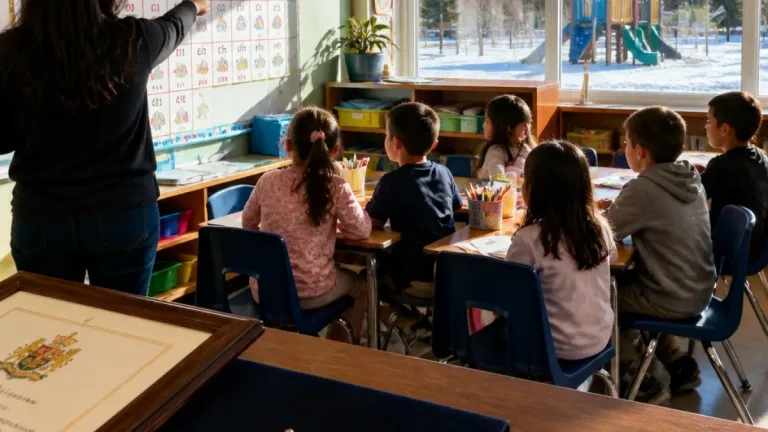
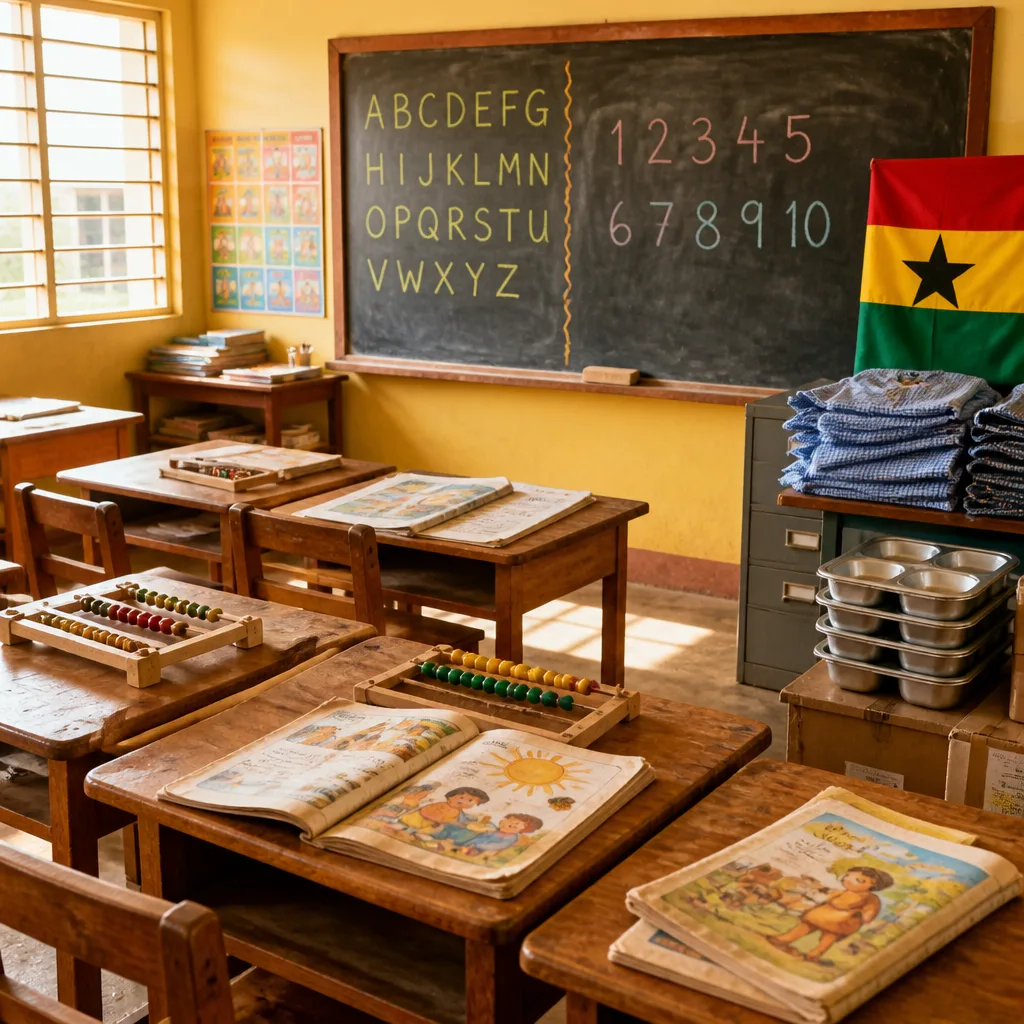
Accra — Ghana’s education minister is pressing for a change in how the government allocates education funds, arguing that more attention and resources must go to basic education where children acquire the literacy and numeracy skills that underpin later learning.
Focus on foundational learning
Speaking on JoyNews’ Newsfile programme on Sept. 12, Education Minister Haruna Iddrisu said investment should begin at the foundational level. He warned that past policy choices have channelled a disproportionate share of public spending to senior secondary education and called for a better balance across the system.
In the minister’s assessment, strong early literacy development materially raises a pupil’s chances of success at subsequent stages of schooling. For that reason, he said, resources and policy attention should be concentrated on primary and junior levels to ensure children develop the basic skills they need to progress.
Costs of current programmes
Iddrisu also highlighted the financial demands associated with government education initiatives. He drew particular attention to the cost of the national school feeding programme, estimating that it accounts for about 3.4 billion Ghanaian cedis in spending.
At the same time, the minister described the Free SHS (free senior high school) policy as a notable achievement while acknowledging that implementing it has created a heavy fiscal burden. He said the current administration, along with the Ministry of Finance and the Ghana Education Trust Fund (GETFund), has worked to mobilise resources for the sector.
| Item | Notes from minister's comments |
|---|---|
| School feeding programme | ~3.4 billion cedis in spending (minister's estimate) |
| Free SHS policy | Described as significant achievement; noted implementation costs |
| GETFund | Efforts under way to raise funds to support education |
Calls for fiscal rebalancing
Iddrisu argued that the state must find a better equilibrium in funding across educational levels so that early learners receive the instruction and supports that prepare them for secondary and tertiary study. He framed the issue as one of sequencing: investing where learning foundations are formed will pay dividends later.
The minister acknowledged the work of the President John Mahama administration, the finance ministry and GETFund in attempting to secure resources. He said GETFund is now in a position to raise sufficient funds to provide additional support, signalling administrative efforts to address sector financing.
- Priority: Channel more resources to basic education, especially early literacy and numeracy.
- Concern: Current spending on secondary education viewed as excessive and fiscally demanding.
- Funding: School feeding and Free SHS add substantial costs; GETFund mobilising resources.
The minister’s remarks come amid an ongoing national conversation about how best to balance equity, access and quality across Ghana’s education system. Shifts in funding priorities could affect classroom resources, teacher deployment and programmes designed to lift early learning outcomes, though the minister did not outline specific budget changes or timelines during his broadcast appearance.
Observers and stakeholders will be watching whether the government follows with concrete policy or budget proposals to reallocate funds and strengthen basic-level instruction, and how such moves would be coordinated with existing nationwide initiatives such as Free SHS and the school feeding scheme.
Any reorientation of spending would require detailed planning and consultation to avoid unintended consequences for students already benefiting from current programmes, while ensuring that early learners receive the foundational instruction the minister prioritised.