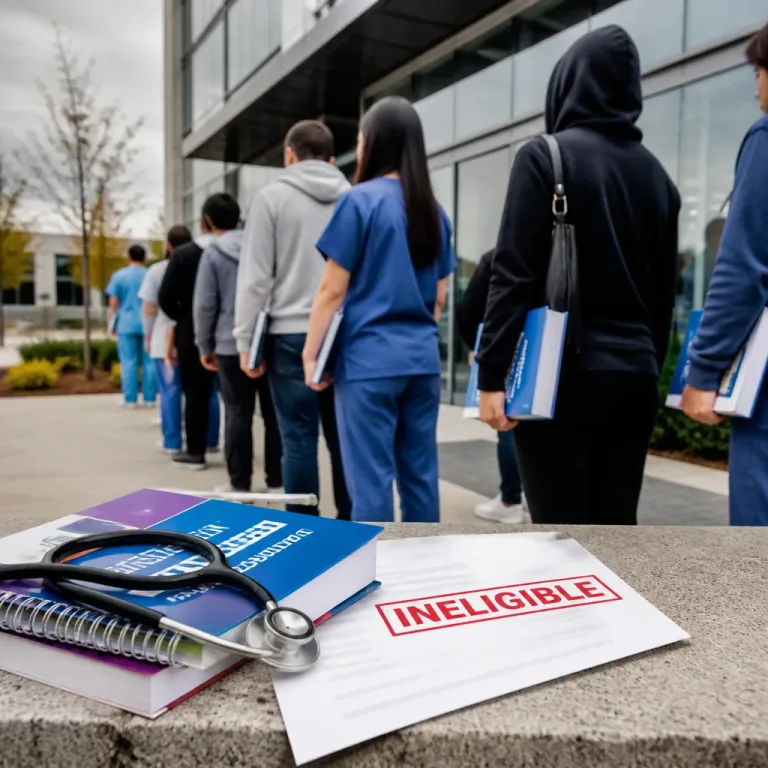

Ontario’s Financial Accountability Office (FAO) says the province’s post‑secondary system will face a funding shortfall unless spending rises above levels set out in the 2026 budget, adding to pressures already identified in the health sector.
FAO review underlines gap between budget plan and service needs
The FAO released independent reviews of the government’s 2026 spending blueprint that assess whether planned funding is sufficient to maintain, improve or reduce service quality and access. The watchdog concluded that the ministry responsible for colleges and universities is projected to receive progressively less funding under the budget — at the same time the FAO estimates spending must increase to hold service steady.
Specifically, the province’s 2026 budget assumed the ministry’s spending would shrink at an average annual rate of 2.2 per cent. The FAO, however, estimates the ministry would need funding to grow by about 3.2 per cent per year over the next three years to sustain current service levels. The office also found the health sector requires greater funding than the budget projects: provincial plans showed health spending rising at an average annual rate of 3.2 per cent, while the FAO says the sector needs roughly 4.4 per cent annual growth.
| Sector | Budgeted average annual change | FAO-estimated required average annual change |
|---|---|---|
| Health-care | +3.2% | +4.4% |
| Colleges & universities | -2.2% | +3.2% |
Consequences for students, institutions and services
The FAO’s findings mean both the health and post‑secondary ministries are on course to experience financing pressures in the near term. The reports signal that, without policy changes or additional funds, colleges and universities may be asked to operate with fewer resources at a time when enrolment, campus services and labour costs continue to exert pressure.
For students, reduced operating budgets can translate into larger class sizes, fewer course offerings, longer wait times for student supports and potential cuts to experiential learning or research activities. For post‑secondary staff and faculty, the gap may mean hiring freezes, program consolidation or service reductions. The FAO frames these outcomes as the likely result if provincial spending follows the 2026 budget’s trajectory.
- Projected funding decline: Budget assumes a 2.2 per cent average annual reduction for the colleges and universities ministry.
- FAO required increase: The watchdog estimates an average annual increase of 3.2 per cent is needed to maintain current services.
- Timing of pressure: The reviews accompany the government’s 2026 budget and indicate funding shortfalls will emerge in the coming fiscal years.
The FAO reports act as an impartial check on government forecasts, offering a measure of how realistic budgeted spending is against projected service demands. They are intended to inform legislators, public-sector managers and the public about the fiscal outlook tied to specific policy choices.
Policy options and the debate ahead
The FAO does not set policy; instead it quantifies the gap between planned spending and what independent estimates say is necessary to uphold services. The province faces a choice: increase allocations to the ministries, reallocate spending from other areas, or let service levels decline — which could prompt difficult decisions at hospitals, colleges and universities.
Post‑secondary and health administrators will likely use the FAO numbers to advocate for additional funds. At the same time, government officials will have to balance those requests with broader fiscal priorities set out in the 2026 budget. The coming months could see negotiations over budget adjustments, targeted investments or program reprioritization that would affect thousands of students and health‑care users across Ontario.
The FAO reviews are intended to provide transparency about the fiscal consequences of the government’s plan. For students, families and educators, the reports make clear that sustaining service quality will require either higher spending or structural changes in how institutions deliver education and care.