PETERSHAM, Mass. — The Harvard Forest Summer Research Program in Ecology has spent three decades turning classroom curiosity into practical research experience, preparing more than 700 undergraduates for careers in science by immersing them in fieldwork and professional development at a 4,000‑acre research site roughly 65 kilometres west of Cambridge, Massachusetts.
Intensive, hands-on training
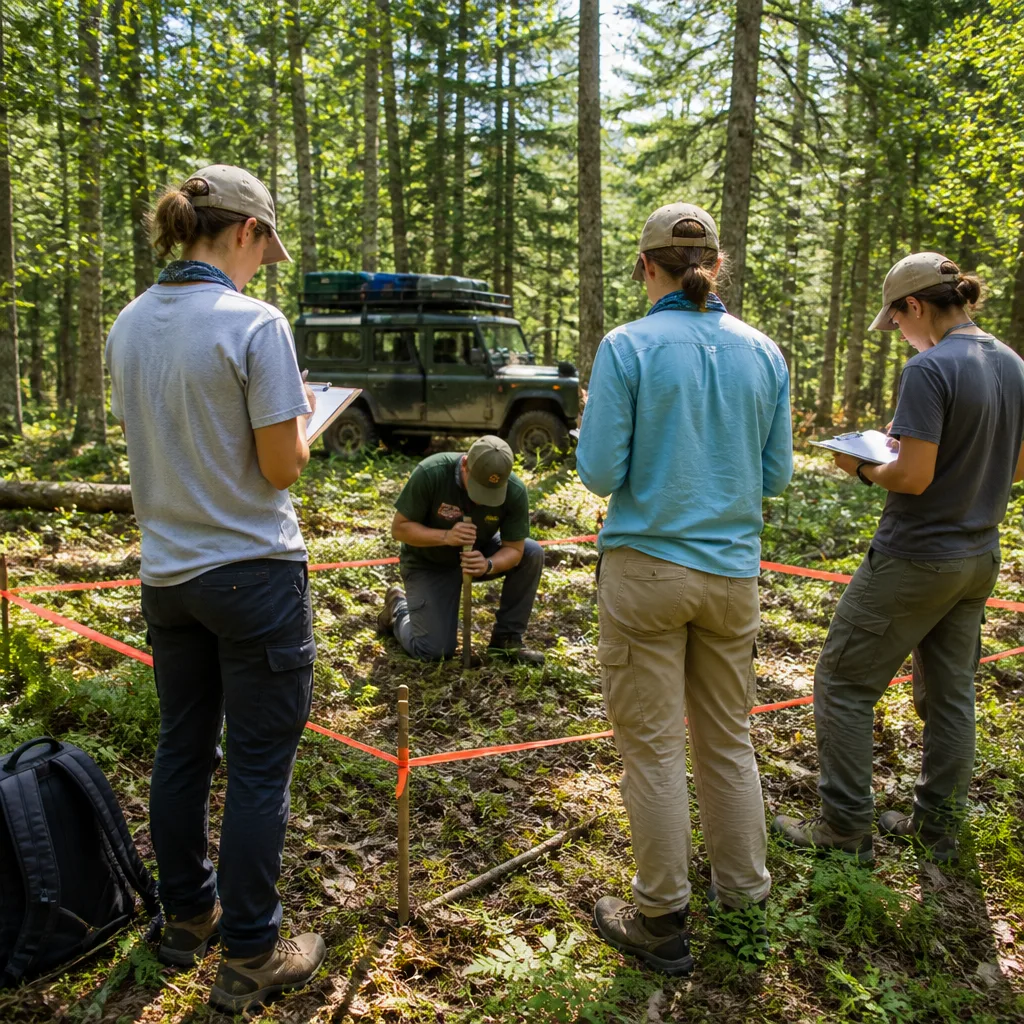
The programme places students alongside practising ecologists to study trees, soil, insects and plants, with projects modelled on work usually carried out by graduate students. That proximity to authentic research is paired with formal instruction designed to help participants understand academic pathways and the working realities of scientific careers.
According to surveys of recent alumni, 81 per cent went on to careers in science, technology, engineering and mathematics, and more than half now work specifically in the ecological sciences. More than 30 alumni hold faculty positions at colleges and universities; among them is a recipient of a MacArthur Foundation "genius grant."
Selective admissions, emphasis on potential
The programme is intentionally small and selective. This year, organisers received about 500 applications for roughly 20 openings. Admissions decisions weigh a candidate’s fit with available projects and the likely benefit to the student — in other words, the potential gain from participating.
“The overall purpose of our summer program is to reach promising undergraduates who may not have had a research experience before, immerse them in that, and make them feel like this is something they could do,”
The quote above is from Audrey Barker‑Plotkin, director of the summer programme and senior researcher and site manager at Harvard Forest. She told programme staff that beyond academic preparation, the admissions committee looks for evidence of teamwork, leadership and life experience that demonstrates perseverance — what she colourfully referred to as "a crap job" — which can also indicate financial need.
Curriculum and career support
Students typically engage in projects that examine ecological processes at a scale and rigour comparable to graduate research. The curriculum includes explicit professional development elements intended to help students identify career interests and navigate options within academia and the broader scientific labour market.
- Field research in forest ecology, soils and organismal studies
- Graduate-level research expectations and mentorship
- Professional development on careers, teamwork and scientific communication
Programme leaders describe a highly curated cohort in which participants are selected not only for academic promise but for enthusiasm for ecology and a readiness to learn in an immersive setting.
Measuring impact
The long record of alumni outcomes is central to the programme’s claim of effectiveness. The published statistics—hundreds of participants over three decades and a large fraction entering STEM fields—provide an evidence base that the experience can alter career trajectories, particularly for students who arrive without prior research exposure.
| Metric | Value |
|---|---|
| Years of operation | ~30 |
| Participants to date | 700+ |
| Recent alumni in STEM careers | 81% |
| Alumni in ecological sciences | More than half |
| Faculty among alumni | 30+ |
| Applications this year | ~500 for ~20 spots |
Those outcomes are notable because programmes that link undergraduates to research have been shown to increase retention in STEM and improve preparation for graduate study, but long‑term tracking of career outcomes is comparatively rare. Harvard Forest’s multi‑decade record supplies a clearer picture of downstream effects on the scientific workforce.
As universities and funders weigh investments in training, the Harvard Forest model emphasises small cohorts, intensive mentorship and an expectation that participants will be capable of meaningful, publishable work. For students who lack prior research experience, that combination appears to be a decisive factor in opening pathways into science.
The programme’s leaders say their aim is straightforward: to find promising undergraduates who have not yet experienced research, immerse them in that environment and demonstrate that a career in ecology is attainable and rewarding. The statistics from three decades of graduates suggest the approach has, for many, yielded precisely that result.