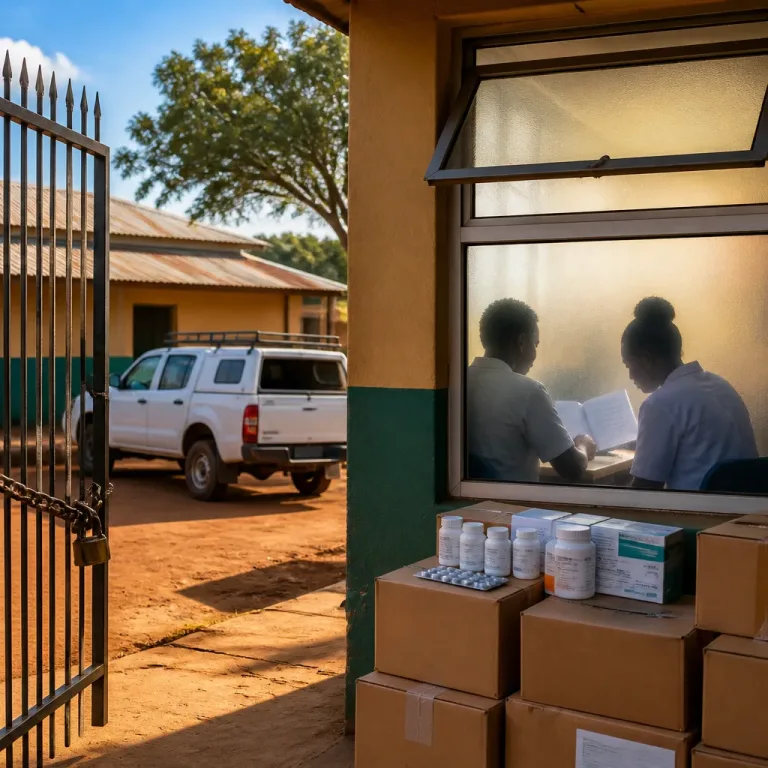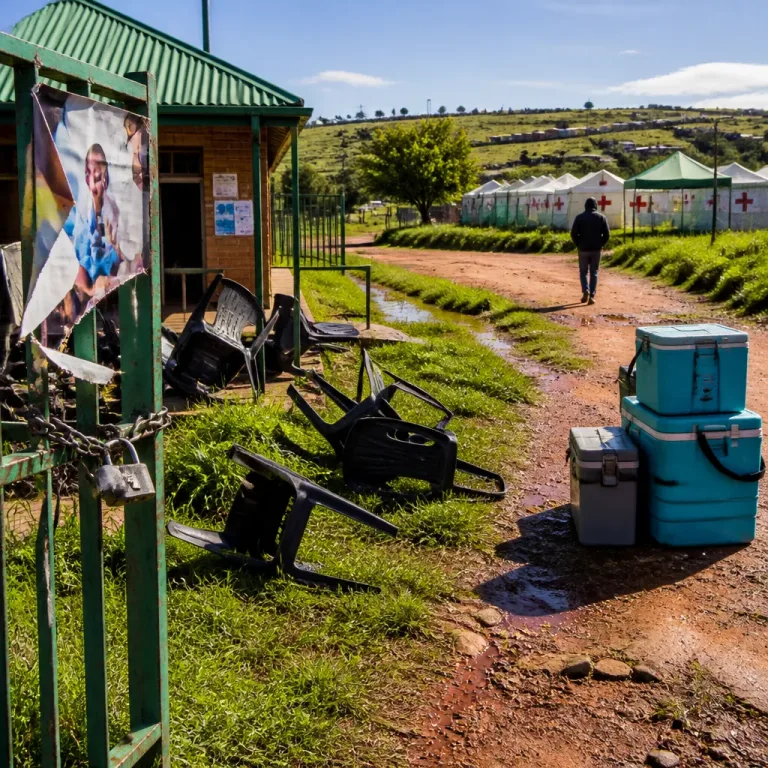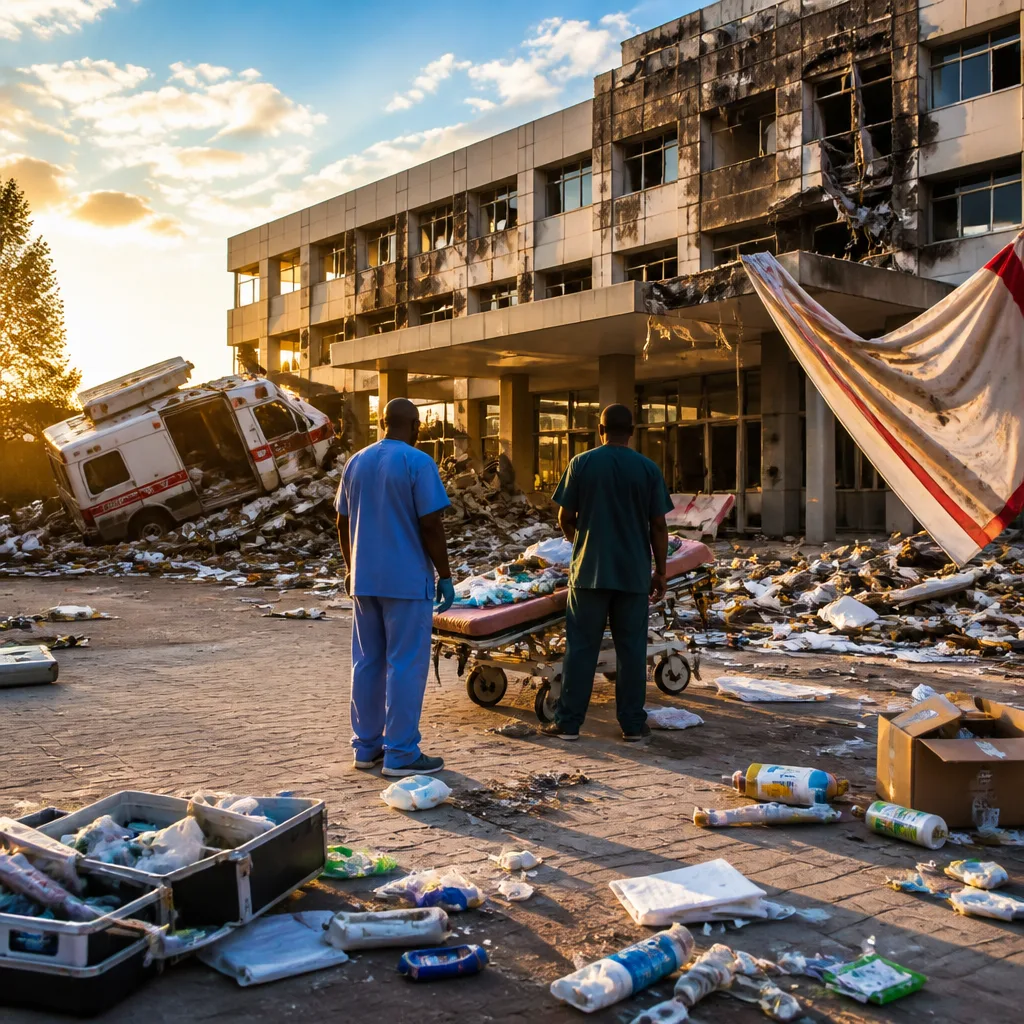
The World Health Organization (WHO) has documented more than 10 400 attacks on healthcare facilities, personnel, patients and medical transport worldwide since 2018, warning that escalating violence is undermining access to essential services in many conflict-affected areas.
Human cost and disruption
WHO reported that those incidents have resulted in approximately 5 700 deaths and in excess of 8 000 injuries. The agency said that between January and August 2026 there were over 900 attacks, which caused at least 900 deaths and more than 1 400 injuries — an average of more than four attacks every day during that period.
“What we are witnessing are multiple forms of violence,”
WHO Director for Humanitarian and Disaster Management, Altaf Musani, characterised the trend as multifaceted, with heavy weapons, deliberate destruction of health infrastructure and psychological violence among the dominant tactics recorded in 2026.
Where attacks have been concentrated
Most incidents in 2026 were reported in Ukraine, Lebanon and the occupied Palestinian territory. WHO also recorded attacks in several other countries and territories, including Myanmar, Iran, Sudan, the Democratic Republic of Congo, South Sudan, Russia, Syria and Nigeria.
- WHO documented 44 incidents involving the abduction, arrest or detention of health personnel or patients in the reporting period; healthcare workers were the majority of those affected.
- Use of heavy weaponry accounted for the largest share of attacks recorded in 2026, according to WHO.
- Beyond direct casualties, attacks have cascading effects: closed facilities, interrupted referrals, broken supply chains and staff who do not return to work.
Data at a glance
| Metric | Figure |
|---|---|
| Total attacks recorded since 2018 | 10 400+ |
| Estimated deaths since 2018 | ~5 700 |
| Estimated injuries since 2018 | >8 000 |
| Attacks, Jan–Aug 2026 | 900+ |
| Deaths, Jan–Aug 2026 | ~900 |
| Injuries, Jan–Aug 2026 | >1 400 |
| Abduction/arrest/detention incidents (2026) | 44 |
Implications for health systems and humanitarian response
WHO emphasised that the consequences of attacks extend well beyond the immediate casualties. When a facility is struck, it is not only the patients and staff present who are affected — the event interrupts referrals, halts ambulance movements, damages supply chains and can leave services unavailable for weeks or months. The agency warned that these disruptions disproportionately harm already vulnerable populations and compound other crises such as displacement, food insecurity and pandemic recovery.
Musani highlighted that attacks take many forms and warned that violence against health services threatens the core principle of medical neutrality that underpins humanitarian law and practice.
What this means for South African health professionals and policy
Although the WHO update covers international conflict zones, the findings are relevant to South African policy and professional bodies that advocate for the protection of health services. Medical associations, universities and human rights groups here frequently support calls for respect for clinics, ambulances and staff in times of unrest and may use WHO data to press for stronger diplomatic and legal measures to deter such attacks.
Health workers who have been affected by violence, or who work in insecure areas, should seek care at a clinic or hospital and consult their local occupational health services for physical and psychological support. The public should not self-diagnose injuries or trauma; if you or someone you know has been involved in an attack on healthcare, contact emergency services or the nearest health facility immediately.
WHO's data underscores a growing global emergency: protecting health infrastructure and personnel is essential not only for patients today but for the resilience of health systems tomorrow. Governments, international agencies and armed parties must uphold obligations under international humanitarian law to ensure medical care remains accessible and safe.