
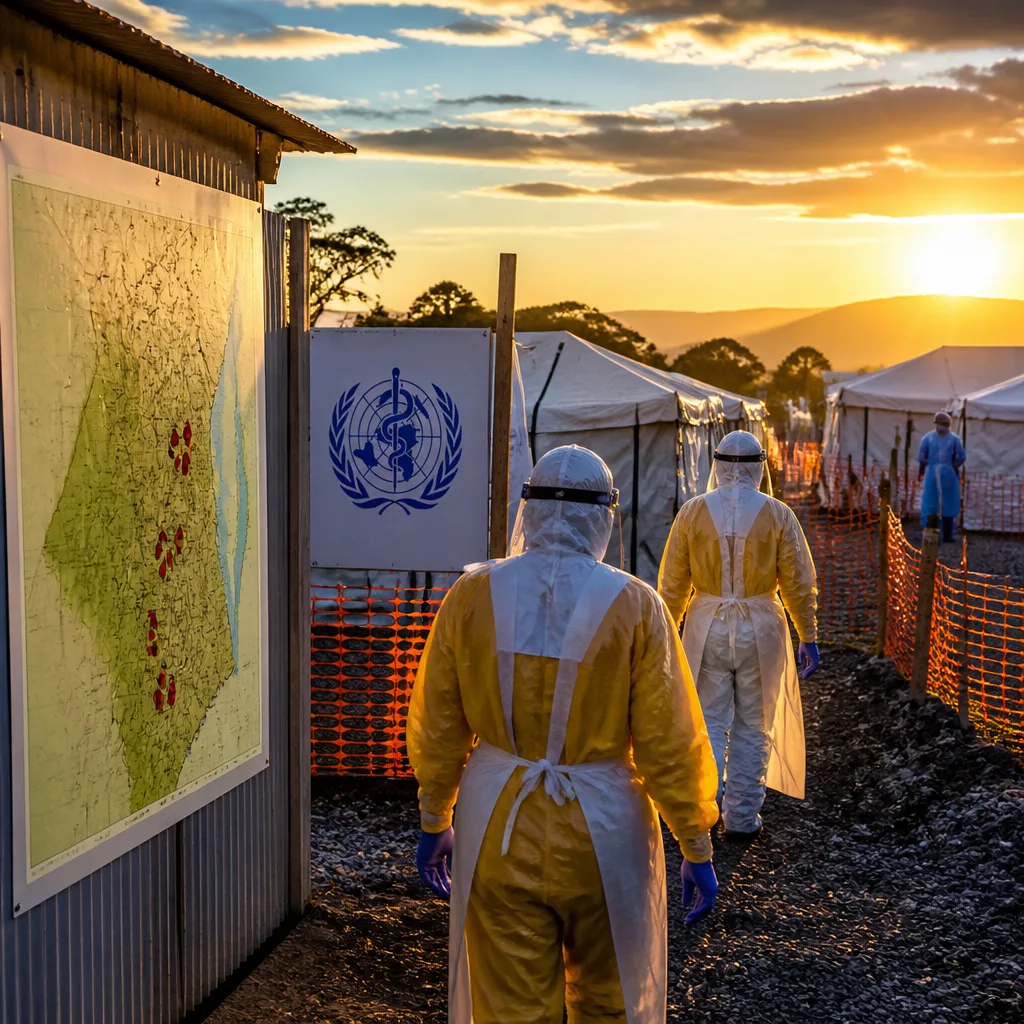
The World Health Organization (WHO) has confirmed that the Ebola outbreak in the Democratic Republic of Congo (DRC) continues to meet the threshold of a public health emergency of international concern, WHO director‑general Tedros Adhanom Ghebreyesus said on Tuesday. The announcement follows a meeting of the agency’s Emergency Committee to reassess risk and guidance for countries at risk.
Scale and severity of the outbreak
WHO figures cited from the meeting showed the epidemic has now claimed 2,325 lives and produced more than 5,000 confirmed cases in the affected areas, with an overall reported fatality rate of about 46%. The epicentre of transmission remains Bunia in Ituri province, where WHO Incident Manager Thierno Baldé provided a situation update via video link.
"The (Ebola) outbreak in (Congo) remains a public health emergency of international concern, following the advice of today’s WHO Emergency Committee meeting," Tedros wrote on the social platform X.
Authorities in Kinshasa declared the current epidemic — caused by the Bundibugyo strain — on 15 May. Unlike other Ebola strains where licensed vaccines or specific approved treatments exist, the Bundibugyo strain currently has no authorised vaccine or proven therapy, complicating containment and clinical management efforts.
What WHO recommends and what comes next
WHO has urged governments and partners to rapidly scale up resources to protect vulnerable communities over the coming months. Updated technical recommendations to the DRC government and to other countries judged at risk were expected to be issued in the days following the Emergency Committee meeting.
- Intensify surveillance and cross‑border screening in neighbouring states;
- Expand clinical isolation capacity and support for frontline health workers;
- Mobilise funding and supplies to sustain response operations in remote and insecure areas.
WHO’s Incident Manager highlighted the high case fatality ratio and the geographic concentration of cases in Bunia, signalling persistent transmission in settings where health systems are strained and where community engagement is difficult to sustain.
Regional implications for southern Africa
Although the DRC outbreak is concentrated in the east of the country, the WHO designation has implications across the region. Neighbouring states must balance vigilance at points of entry with the need to keep essential travel and trade moving. For South Africa, which has extensive transport and migration links to the wider region, the WHO advisory is a prompt to review preparedness measures, including:
- readiness of isolation facilities and personal protective equipment stocks;
- training and protection of clinicians likely to encounter suspected cases;
- clear public communication strategies to avoid panic and stigma while ensuring timely reporting.
Health experts say timely information exchange between national authorities and WHO is critical to detect imported cases early and to protect healthcare workers — historically among the most affected groups during Ebola outbreaks.
Numbers at a glance
| Indicator | Value |
|---|---|
| Confirmed cases | More than 5,000 |
| Deaths | 2,325 |
| Fatality rate | 46% |
| Declared | 15 May 2026 |
| Strain | Bundibugyo |
The WHO call for increased support follows warnings by public health officials that, without expanded international assistance, the outbreak could continue to cause high mortality and spread beyond currently affected areas. For South Africa and other countries in the region, the priority remains preparedness — strengthening surveillance, protecting health workers and ensuring rapid, coordinated response if cases are detected.
WHO said it would publish detailed updates and tailored recommendations for at‑risk countries in the coming days, after which national health departments will be expected to translate global guidance into operational plans on the ground.









