
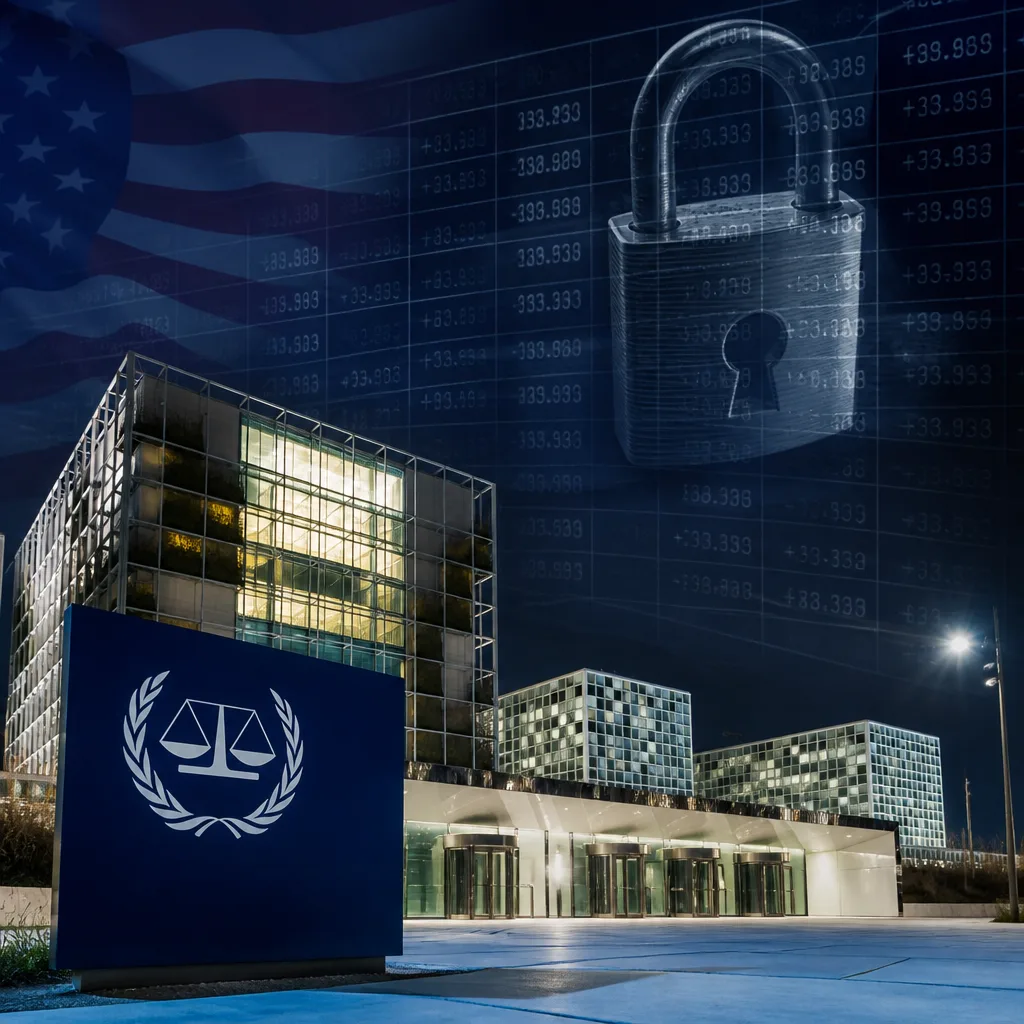
The United States on Tuesday imposed sanctions on International Criminal Court (ICC) President Tomoko Akane and senior trial lawyer Abdoulaye Seye, escalating a campaign by the US administration against the Hague‑based tribunal, according to reporting by Simon Lewis, Ryan Patrick Jones and Ismail Shakil.
What happened
The sanctions were announced under a Trump administration executive order that authorises measures against individuals linked to the ICC’s investigations and prosecutions of officials from states that have not consented to the court’s jurisdiction. US Secretary of State Marco Rubio said the two had been involved in ICC efforts to investigate, arrest, detain or prosecute such officials.
- Tomoko Akane — Japanese judge and president of the ICC.
- Abdoulaye Seye — Senegalese national and senior trial lawyer at the ICC’s prosecution team.
“These individuals have directly engaged in efforts by the ICC to investigate, arrest, detain, or prosecute officials whose government has not consented to ICC jurisdiction,” Secretary of State Marco Rubio said.
Legal and operational consequences
The sanctions freeze any US assets held by the two individuals and limit their access to the US financial system, measures that can have far‑reaching practical effects because many internationally operating banks maintain links to the US banking system. The US Treasury also issued a general licence to allow the wind‑down of transactions involving Akane and Seye through 17 September.
The ICC responded by condemning the move, warning that such measures “undermine the rule of law” and saying that threatening judicial actors for applying the law harms the international legal order. Akane had previously warned that sanctions could rapidly jeopardise the court’s operations and existence.
Context: a broader confrontation
The announcement follows earlier targeted sanctions last year by the US on several ICC officials, including prosecutors and judges, after the court issued arrest warrants for Israeli Prime Minister Benjamin Netanyahu and former Israeli defence minister Yoav Gallant and pursued a past probe involving US troops in Afghanistan. Seye worked on the prosecution team that sought the arrest warrant for Netanyahu and has been nominated for election as an ICC judge, according to the reporting.
Three ICC judges last month initiated legal action against the US administration, arguing the sanctions were unlawful. The US statement said it remained prepared to take additional measures to push back against the court.
| Individual | Nationality | Role |
|---|---|---|
| Tomoko Akane | Japanese | ICC President (judge) |
| Abdoulaye Seye | Senegalese | Senior trial lawyer, prosecution team |
What this means for South Africa and international law
South Africa is a state party to the Rome Statute, which established the ICC, and has previously engaged with the court on matters of accountability. The US measures are likely to deepen divisions between states that regard the ICC as an essential forum for investigating atrocity crimes and those that view aspects of the court’s jurisdiction as politically contentious.
Practically, the sanctions may complicate the court’s ability to move staff and funds through the global financial network and could affect cooperation from states whose domestic institutions or officials face ICC scrutiny. The ICC said it remained undeterred and would continue to support victims of crimes within its remit.
The escalation adds pressure on multilateral mechanisms and raises questions about the protection of international judicial independence when major powers contest accountability efforts. The legal challenge brought by ICC judges to the US measures will be an early test of the limits and durability of the sanctions.
As the situation develops, South African foreign and legal policymakers will face choices about how to defend multilateral judicial processes while managing bilateral relations with the United States.









