RWJBarnabas Health has announced a near‑R750 million commitment — reported as nearly $50 million (total investment since 2024: $49,353,421) — to expand operations of Federally Qualified Health Centres (FQHCs) across New Jersey, aiming to increase access to community‑based primary care and address social determinants of health.
Investment targets underserved communities, service integration
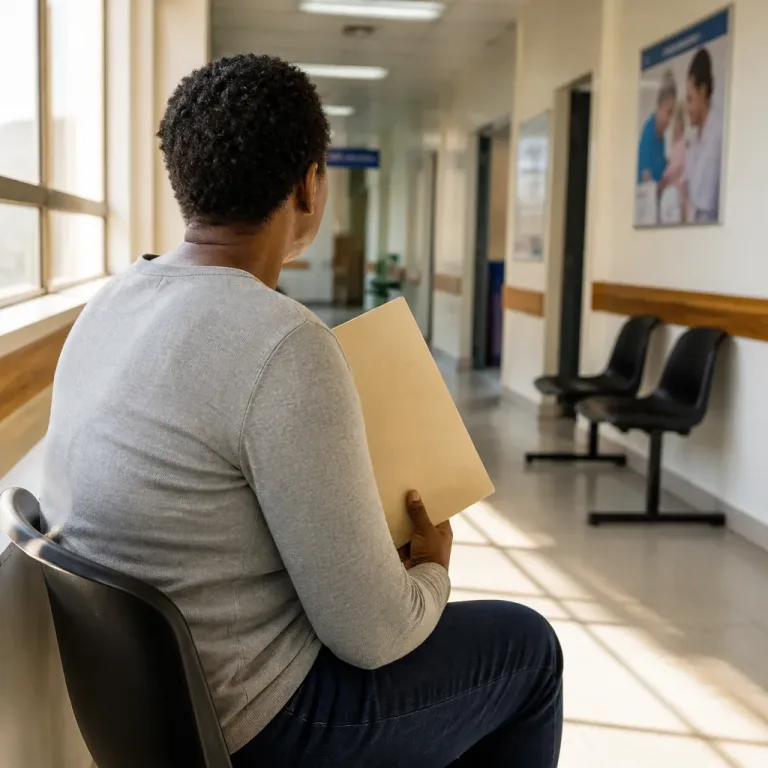
The health system said the funding supports eight independent FQHCs in five counties. Investments combine clinical capacity with community partnerships to identify patients earlier, improve chronic disease management and link people to non‑clinical supports such as transport and food security programmes.
RWJBarnabas Health described the initiative as part of its Our Healthy Communities programme, which has received state appropriations to bolster local health infrastructure. The reported aims include removing barriers to care and building community resilience.
“Federally Qualified Health Centers are among the most trusted partners in the communities they serve because they have built lasting relationships with residents and understand their unique needs,” said Balpreet Grewal‑Virk, PhD, Senior Vice President, Community Health, RWJBarnabas Health.
Where the funding is going
The announcement identifies several targeted investments and service supports being implemented with partner FQHCs, including:
- Capital construction and expansion to increase clinic capacity.
- Community Health Workers (CHWs) to strengthen outreach and care navigation.
- Transport supports such as free rideshare services to improve clinic access.
- Electronic medical record integration to streamline referrals and continuity of care.
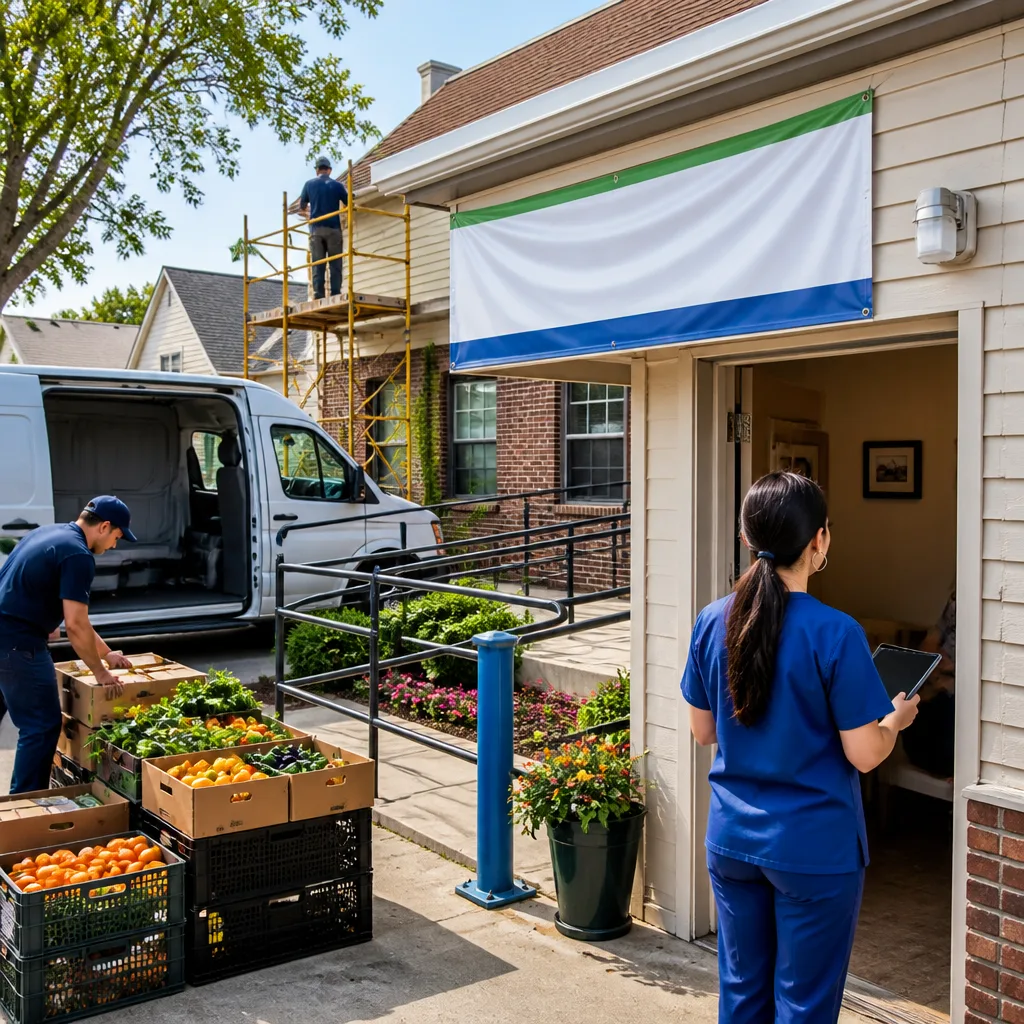
- Food security initiatives like Food Farmacy programmes that connect patients to nutritious food.
Among the named partners are Saint James Health and Mary Eliza Mahoney / City of Newark Department of Health, in Essex County, where investments include both infrastructure and wraparound social supports, the release said.
Implications for primary care policy and universal access
The investment underscores a strategy increasingly used in high‑income systems: channel resources to community‑based primary care providers that combine clinical services with social support, recognising that health outcomes are shaped by social and economic factors. Strengthening FQHCs can reduce avoidable hospitalisations, improve management of long‑term conditions and reach marginalised populations.
For South African readers, the RWJBarnabas model offers relevant lessons: expanding access to primary care in underserved areas often requires parallel investments in workforce (for example, community health workers), transport and data systems, and coordination between state and non‑state actors. The project also highlights the role of state funding alongside health system partners to scale community initiatives.
What the announcement does not say
The statement details the scale and types of investment but does not provide specific timelines for each project, nor measurable targets such as expected increases in patient visits, reductions in emergency department use, or clinical outcome improvements. It also does not specify how long the funding commitments will continue or whether the model will be evaluated and published for broader learning.
Monitoring and evaluation will be important to determine whether the investments translate into sustained improvements in access and health outcomes — a point of interest for policymakers and health administrators looking to adapt similar approaches.
Readers seeking to improve their own health should consult their local clinic or a healthcare professional rather than rely on media reports for medical advice.