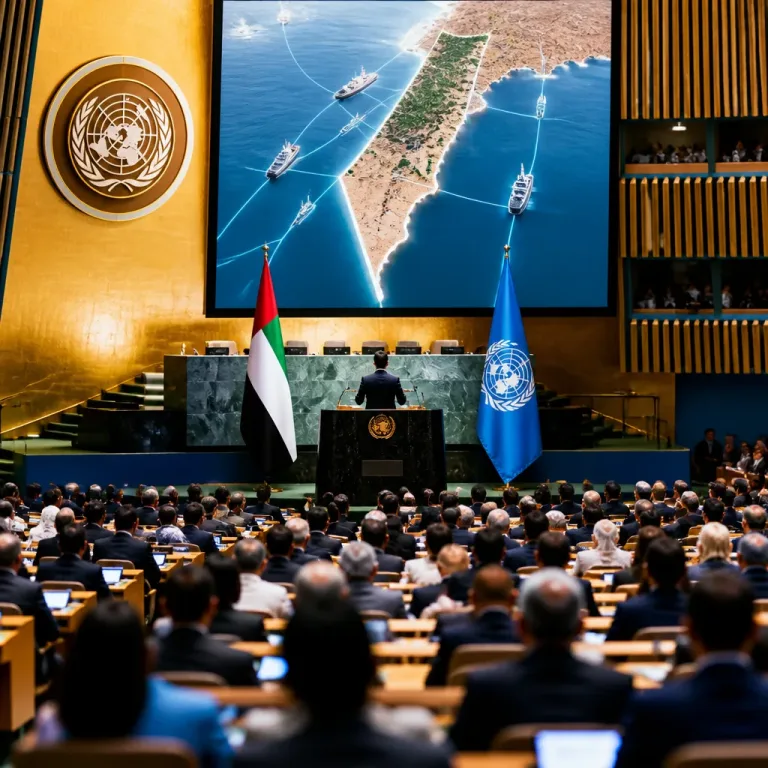

The United States has announced sanctions on two senior officials of the International Criminal Court (ICC), further straining relations between Washington and the Hague-based tribunal as it pursues probes related to the Gaza war and actions in the occupied West Bank.
Targets and US rationale
Marco Rubio, the US secretary of state, unveiled the move, saying the designations were prompted by what he called the ICC’s improper exercise of authority. Rubio named Tomoko Akane of Japan, the ICC president, and Abdoulaye Seye of Senegal, an ICC senior trial lawyer, as targets of the new sanctions.
“The Hague-based ICC [is] a ‘corrupt and fatally politicised supranational court that has maliciously abused its authority and exceeded its mandate,’” Rubio said in a statement.
Rubio said the officials were being sanctioned because they had “directly engaged in efforts by the ICC to investigate, arrest, detain, or prosecute officials whose government has not consented to ICC jurisdiction.” He did not specify particular acts by either Akane or Seye.
Context: a pattern of US actions against the ICC
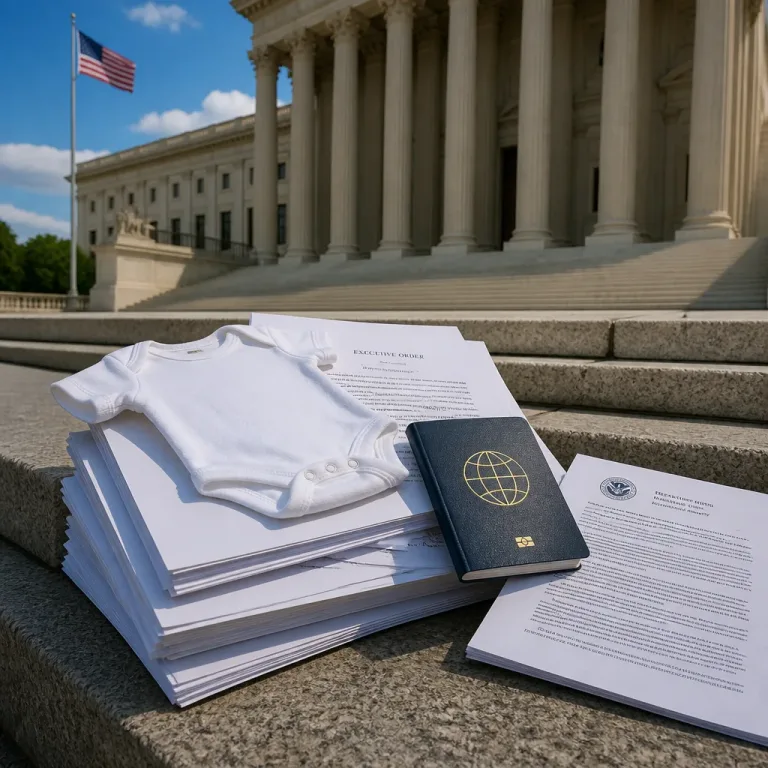
The announcement follows earlier US measures. The Trump administration issued an executive order in 2025 that accused the ICC of taking “illegitimate and baseless actions targeting America and our close ally Israel” and imposed sanctions on the court. The US has also previously sanctioned Karim Khan, the ICC prosecutor, after his office investigated senior Israeli officials, including the prime minister and a former defence minister, over alleged war crimes during the Gaza conflict.
US officials did not detail which activities by Akane or Seye triggered the designations. International reporting has linked Seye to an ICC inquiry into Israeli funding for settlements and the distribution of weapons to settlers in the West Bank.
What the sanctions mean and wider implications
The US statement framed the sanctions as a response to what it describes as the ICC exceeding its mandate and pursuing individuals from states that have not accepted ICC jurisdiction. The moves further deepen a standoff between a powerful state and an international tribunal tasked with investigating the gravest crimes.
Observers will watch for practical effects on the ICC’s work and relationships with member states. The earlier US measures and the new designations risk complicating cooperation between the court and states aligned with or influenced by Washington, and could affect witnesses, investigators and other participants in ongoing probes.
- Officials sanctioned: Tomoko Akane (ICC president) and Abdoulaye Seye (ICC senior trial lawyer).
- Previous US action: Sanctions on prosecutor Karim Khan and a 2025 executive order criticising the ICC.
- Investigations referenced: Probes into alleged crimes during the Gaza war and reports of oversight of settlement funding and weapons distribution in the West Bank.
| Year | US action |
|---|---|
| 2025 | Executive order accusing ICC of illegitimate actions; sanctions on ICC prosecutor Karim Khan |
| 2026 | Sanctions announced on ICC president Tomoko Akane and senior trial lawyer Abdoulaye Seye |
The United States did not provide further detail in its announcement about which specific investigative steps or legal actions by the ICC formed the basis for the new designations. Israeli media have reported that the court’s inquiry into settlement funding and arms transfers in the West Bank is overseen by Seye, and Israeli officials warned in May that the ICC could seek additional arrest warrants for ministers and senior military figures alleged to be involved in violence against Palestinians in the West Bank.
The move is likely to prompt responses from ICC member states and from legal and diplomatic communities engaged in questions of accountability for alleged international crimes. For South Africa and other countries that have engaged with the ICC on issues arising from conflicts in Palestine and elsewhere, the dispute highlights the tensions between powerful states and multilateral institutions charged with upholding international criminal law.
At this stage the US announcement stands as the latest escalation in a broader contest over the court’s reach and the limits of international judicial mechanisms when they intersect with geopolitical and bilateral alliances.