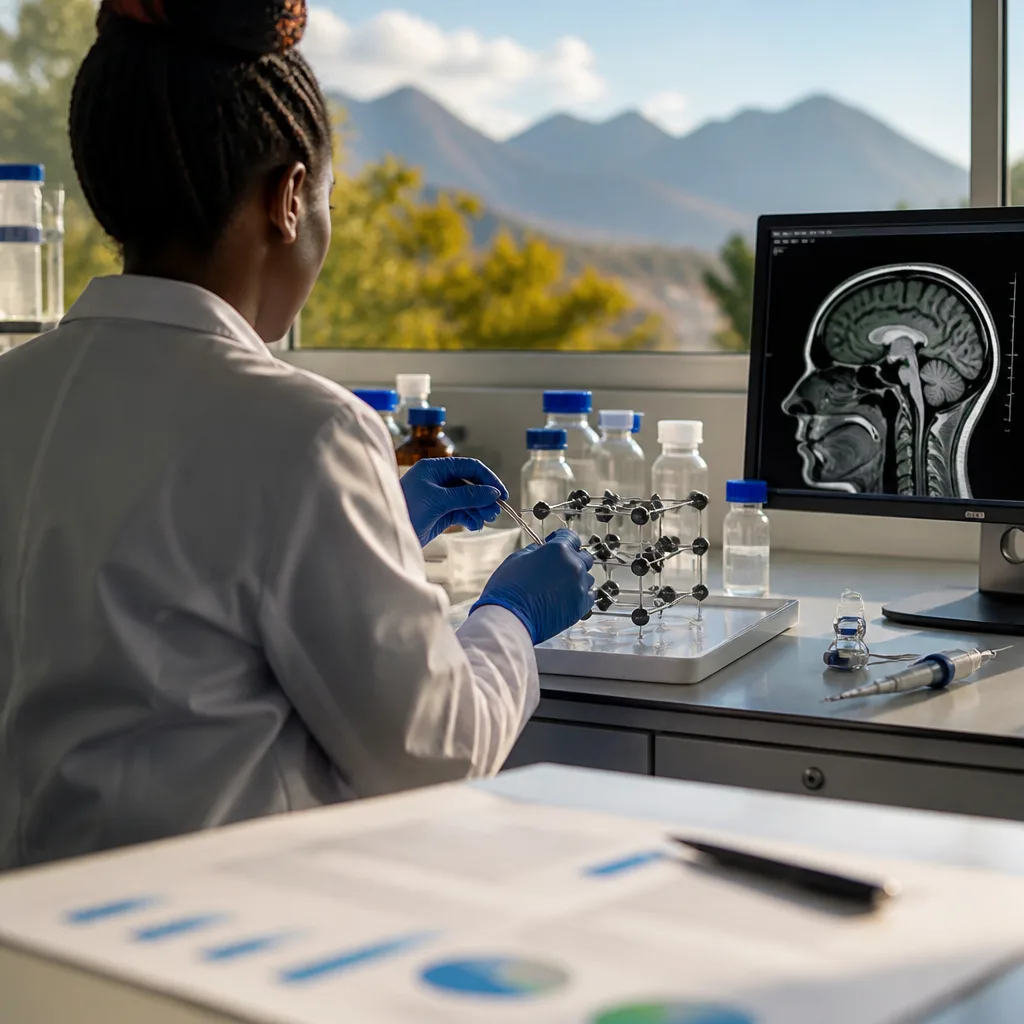
A new line of research has placed the small molecule uric acid — best known for its role in gout — at the centre of discussions about stroke recovery. A team of investigators at the University of Iowa, supported by the National Institutes of Health (NIH), has reported findings that rekindle interest in whether raising blood uric acid levels might protect the brain after a stroke.
Why researchers are watching uric acid
Stroke remains a major cause of death and long‑term disability. The reporting notes that in France there are roughly 150,000 strokes a year — about one every four minutes — and that stroke is the third leading cause of death there, with around 60% of survivors left with lasting neurological impairments. Those stark figures illustrate why researchers worldwide pursue new therapeutic options.
Uric acid is produced when the body breaks down purines, substances found in many foods and in the body’s cells. It is an antioxidant in the bloodstream and, paradoxically, also the substance that precipitates as crystals in gout when levels are chronically elevated. The idea behind the new work is that, in the acute phase after ischaemic brain injury, the antioxidant properties of uric acid might reduce oxidative damage and improve outcomes.
What the US study says — and what it doesn’t
The University of Iowa team, led by Dr Enrique Leira and Dr Anil Chauhan and funded by the NIH, has published findings that have prompted renewed interest in the molecule. Early reports suggest uric acid may have protective effects in the context of stroke, but the evidence remains preliminary. The study’s appearance in peer‑reviewed literature represents an important step, yet several limitations persist:
- The current results are not definitive proof of clinical benefit; they are an initial signal that requires replication in larger, well‑designed trials.
- Translating a biochemical or physiological effect into a treatment that reliably improves functional outcomes for patients is challenging and often unsuccessful.
- Safety is a concern: raising uric acid systemically could increase the risk of gout and other complications if not carefully managed.
Those caveats matter because the history of stroke research contains many examples where promising laboratory or small clinical results did not hold up when tested in larger populations.
Implications for clinical practice and research
For clinicians and health services, the immediate implication is cautious interest rather than change. The possibility that a widely available metabolite could be harnessed therapeutically is attractive, but routine clinical use would be premature without stronger evidence on both efficacy and safety.
For researchers, the story provides a clear agenda:
- replicate the current findings in independent cohorts, ideally with randomised controlled trials;
- identify the patient populations most likely to benefit (for example, by stroke subtype or time from symptom onset); and
- establish safe dosing strategies that avoid increasing the long‑term risk of gout or renal problems.
A small table summarises the limited but important background figures cited in reporting on the topic.
| Item | Figure |
|---|---|
| Estimated strokes per year (France) | 150,000 |
| Frequency | One every four minutes |
| Proportion of survivors with lasting neurological issues | Approximately 60% |
“A surprising new study...might just be a game‑changer in stroke recovery,” early coverage said, reflecting the renewed attention on the molecule.
That enthusiasm is understandable, but the scientific method requires steps of verification. The next phase will be larger, controlled clinical trials that test whether administering uric acid or modulating its levels leads to meaningful improvements in disability or survival after stroke.
Until then, the responsible message for clinicians and the public is measured optimism: uric acid is an interesting candidate for further study, but not yet a new therapy. For health policy makers, the priority remains investing in proven stroke systems of care — fast recognition, timely reperfusion therapies where appropriate, and robust rehabilitation services — while supporting rigorous trials that may expand our therapeutic toolkit in the future.