South Africans facing tighter water supplies can take practical steps at home to reduce demand while supporting biodiversity. Turning turf into a drought‑resistant garden is not simply about removing grass: it begins with understanding your plot and ends with a planting and maintenance plan suited to local conditions and seasonal variability.
Begin with site diagnosis
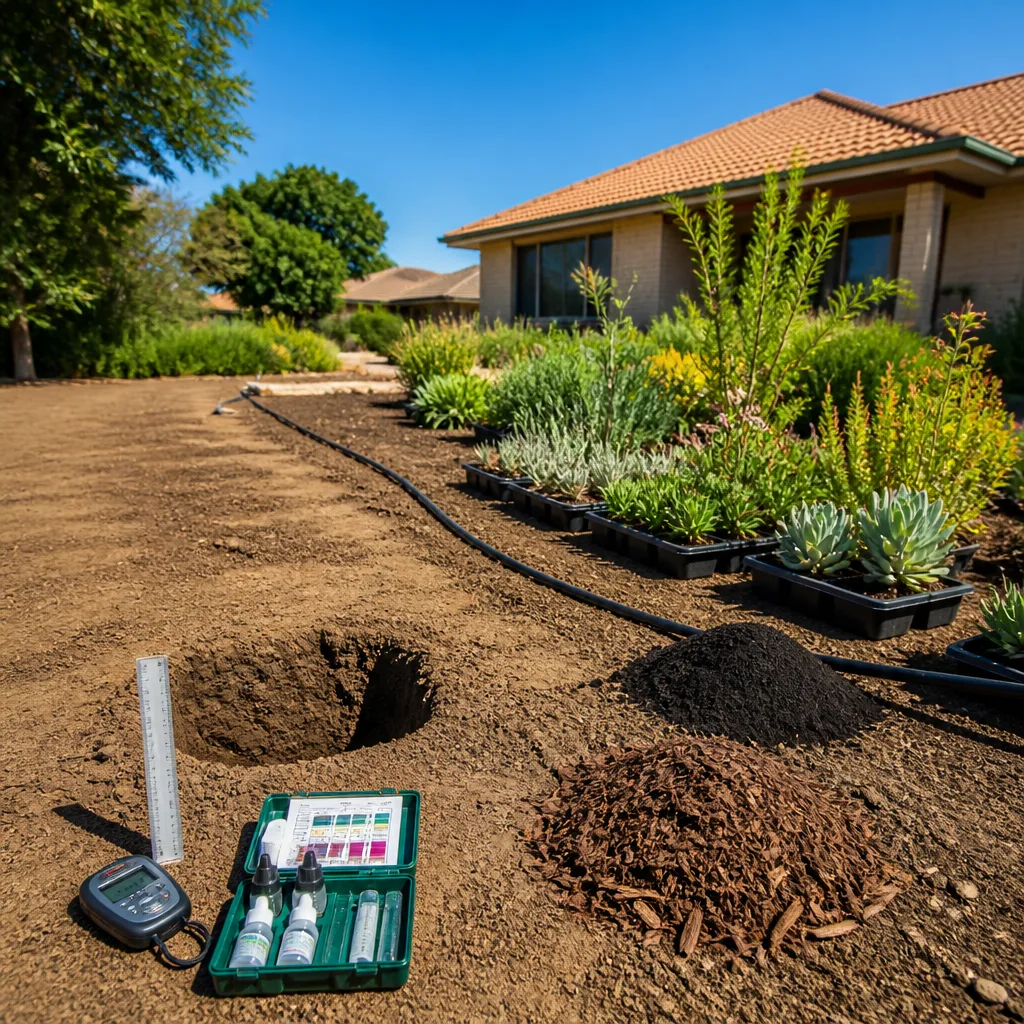
Before any planting, assess the fundamentals that determine plant survival. Check soil type (sandy, loam, clay), test drainage by digging a small hole and timing how long water takes to seep away, and note how much sun and shade different parts of the garden receive through the day. These factors guide species choice and planting layout.
Match plants to conditions
Experts advise selecting species that are drought tolerant but also suited to your soil, drainage and microclimate. A one‑size‑fits‑all list does not exist because a sun‑baked, well‑drained bed demands different choices from a cool, poorly drained, clay patch. Consider the full year: plants should tolerate occasional heavy winter rains as well as dry spells.
- Sun‑loving, well‑drained areas: choose succulent and Mediterranean‑type species that store water or shed heat.
- Cooler, heavier soils: favour species with deeper roots and tolerance for periodic waterlogging.
- Under large trees: avoid planting too close to thirsty roots that will compete strongly for moisture.
Design and soil improvement
Design choices reduce water loss and make watering more efficient. Group plants with similar water needs together (hydrozoning) so irrigation can be targeted. Use mulches—organic or inorganic—to suppress weeds and lower evaporation from the soil surface. Where soil is compacted or poor, incorporate organic matter to improve water retention and root penetration; in sandy soils, organic material helps hold moisture, while in heavy clay it improves structure and drainage.
Water smartly
When you must irrigate, do so in ways that maximise benefit: water deeply but infrequently to encourage deep root systems; use drip lines or targeted outlets rather than overhead sprinklers; water early in the morning to reduce evaporation. Adjust schedules seasonally and after rain.
Maintenance: simple habits matter
Low‑water gardens are not no‑maintenance gardens. Regular attention prevents small problems becoming big ones and keeps plants vigorous and drought resilient. Key tasks include:
- Weeding to reduce competition for moisture;
- Pruning to maintain plant health and reduce transpiration stress where appropriate;
- Monitoring for pests and disease, which can be more damaging to stressed plants.
Weighing trade‑offs
Keeping a permanent grass lawn has benefits — for example, turf can limit soil erosion during heavy rains. If removing all lawn worries you, consider a mosaic approach: retain high‑use, short‑mown lawn in key areas and replace peripheral or low‑use sections with drought‑tolerant planting. This balances the ecological benefits of planted areas with the functional advantages of some turf.
| Step | Why it matters |
|---|---|
| Site diagnosis | Ensures plant choices match real conditions |
| Soil improvement | Raises water retention and root health |
| Water‑wise design | Concentrates water where needed |
| Targeted irrigation | Reduces waste and improves uptake |
Practical, incremental action is the most reliable path forward. Ademe, the French Agency for Ecological Transition, has encouraged such an approach: adapt plant choice to site specifics rather than pursuing a single fashionable species or blanket turf removal. The same principles apply in South Africa: local climate, soil and water availability should guide every decision.
Adopting drought‑resistant gardening reduces household water demand, supports urban biodiversity and builds resilience to the hotter, drier conditions many regions are experiencing. Start small, observe how plants perform across seasons, and adapt over time—gardening that respects water limits can be both attractive and ecologically sensible.