
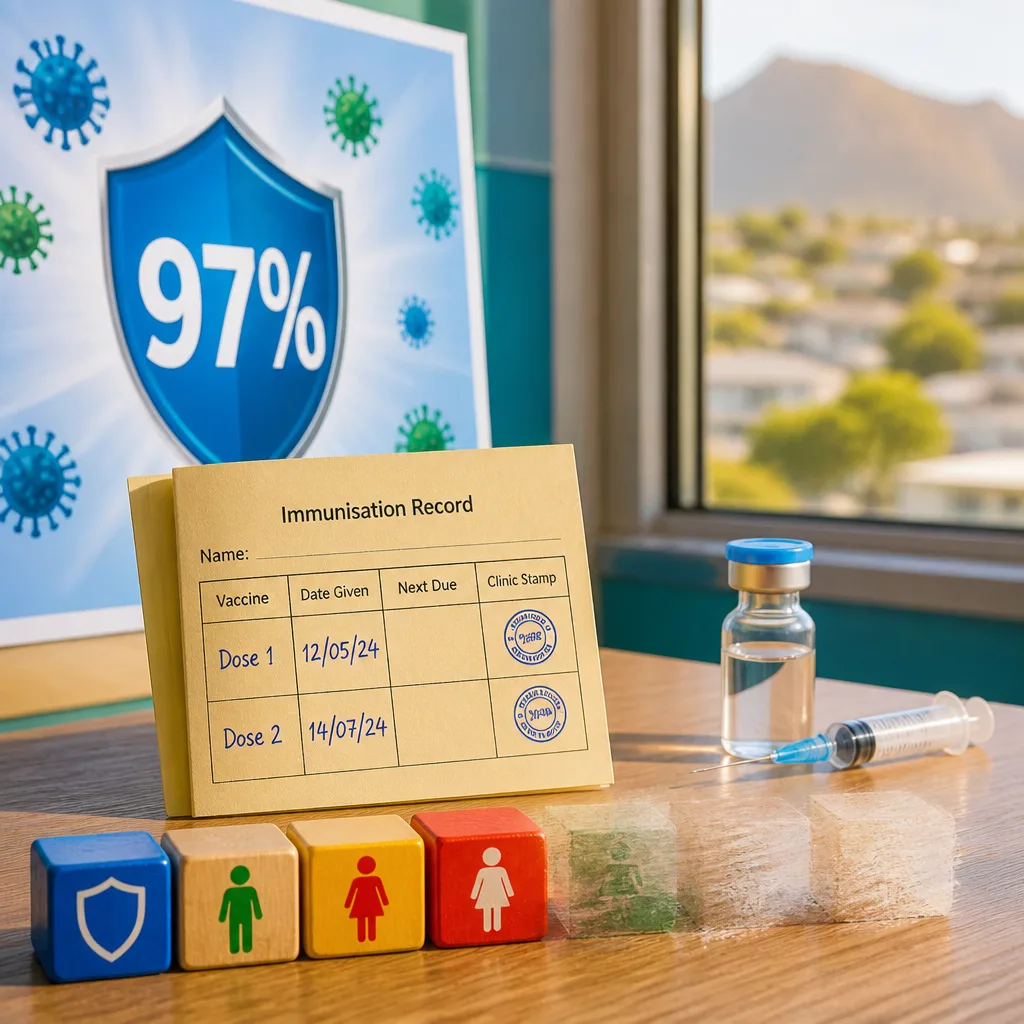
Children who have received the complete two‑dose measles vaccine series are highly protected against the infection, even if they are exposed to someone with active disease. However, clinicians warn that natural measles infection does more than cause fever and rash: it can damage the immune system’s memory, a phenomenon sometimes called immune amnesia, which increases susceptibility to other common illnesses for an extended period.
Vaccine effectiveness and what it means for families
Evidence shows that a two‑dose measles schedule prevents the vast majority of cases. A widely cited effectiveness estimate places protection after two doses at around 97%, meaning that fully vaccinated children are very unlikely to become ill when exposed to measles. If a vaccinated person does develop measles, the course of illness is generally milder than in unvaccinated people.
"Two doses of the measles vaccine are about 97% effective at preventing the disease."
There are important caveats. Children who have received only a single dose have lower protection than those who completed the two‑dose schedule. People with weakened immune systems — whether from illness or medical treatment — may also mount a weaker response to vaccination and remain more vulnerable.
What is immune amnesia and why it matters
Measles virus targets specialised immune cells called memory B cells and T cells. These cells store the immune system’s knowledge of pathogens encountered previously, and they enable a faster, more effective response on re‑exposure. When measles destroys or disrupts these cells, it effectively erases portions of that memory.
The practical consequence is a period of increased risk of otherwise familiar infections. Common conditions such as ear and sinus infections, gastrointestinal illnesses and respiratory infections — including pneumonia — become more likely and may be more severe in the months or years following measles disease. Recovering lost immune memory is possible, but it can take several months to years and depends on subsequent infections and vaccinations that re‑educate the immune system.
Public‑health implications and recommended actions
The interaction between measles infection and immune amnesia reinforces two public‑health priorities: preventing measles infection through robust vaccination coverage, and protecting vulnerable individuals who cannot mount a full immune response.
- Ensure children receive the full two‑dose measles vaccine series on schedule.
- Families should confirm immunisation records and consult a clinician if unsure about vaccine status.
- People with compromised immunity should seek personalised advice from a healthcare provider about protection measures and possible post‑exposure care.
- Maintain high community vaccination coverage to reduce the chance of outbreaks and protect those who cannot be vaccinated.
| Measure | Effect |
|---|---|
| Two vaccine doses | ~97% effective at preventing measles |
| Single vaccine dose | High but lower protection than two doses |
| Natural measles infection | Can cause immune memory loss, increasing risk of other infections for months to years |
Clinicians and public‑health experts emphasise that vaccination protects individuals and reduces the ripple effects of measles on population health. When measles circulates, the burden of disease includes not only acute measles cases but also the elevated incidence of other infections that follow immune amnesia.
Parents concerned about vaccine status, recent exposures, or the health of an immunocompromised household member should consult their local clinic or a family doctor rather than attempting to self‑manage. Timely advice can include checking immunisation records, offering catch‑up doses where appropriate, and arranging clinical monitoring after exposure.
Strengthening routine immunisation programmes and addressing barriers to access remain central to preventing measles outbreaks and their wider health consequences. Health services should continue to prioritise coverage, accurate record‑keeping and clear communication so that families can make informed decisions based on their circumstances.
If you are unsure whether you or your child are up to date with measles immunisation, speak to your clinic nurse or doctor. They can advise on vaccination schedules and the need for catch‑up doses.











