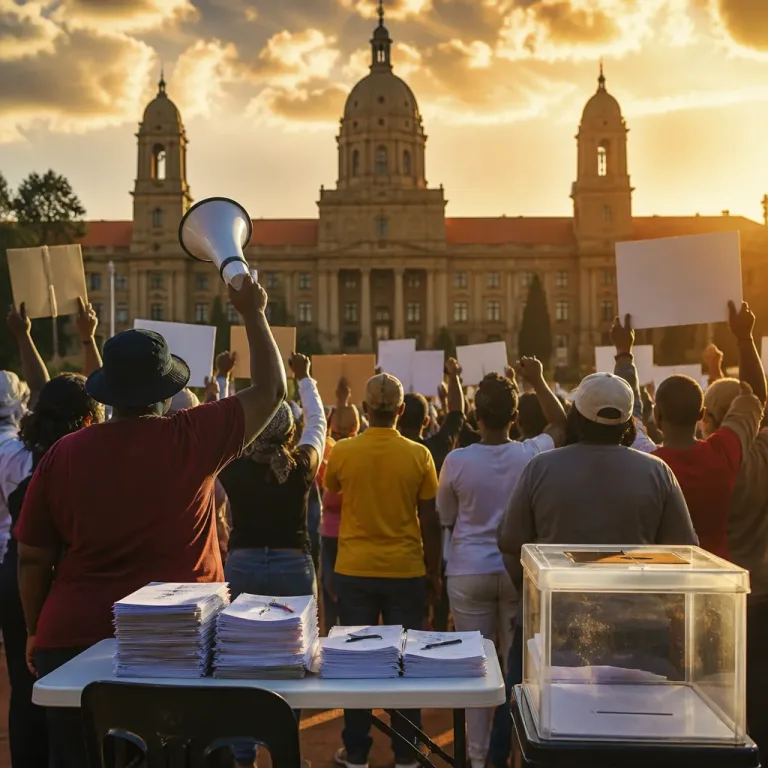
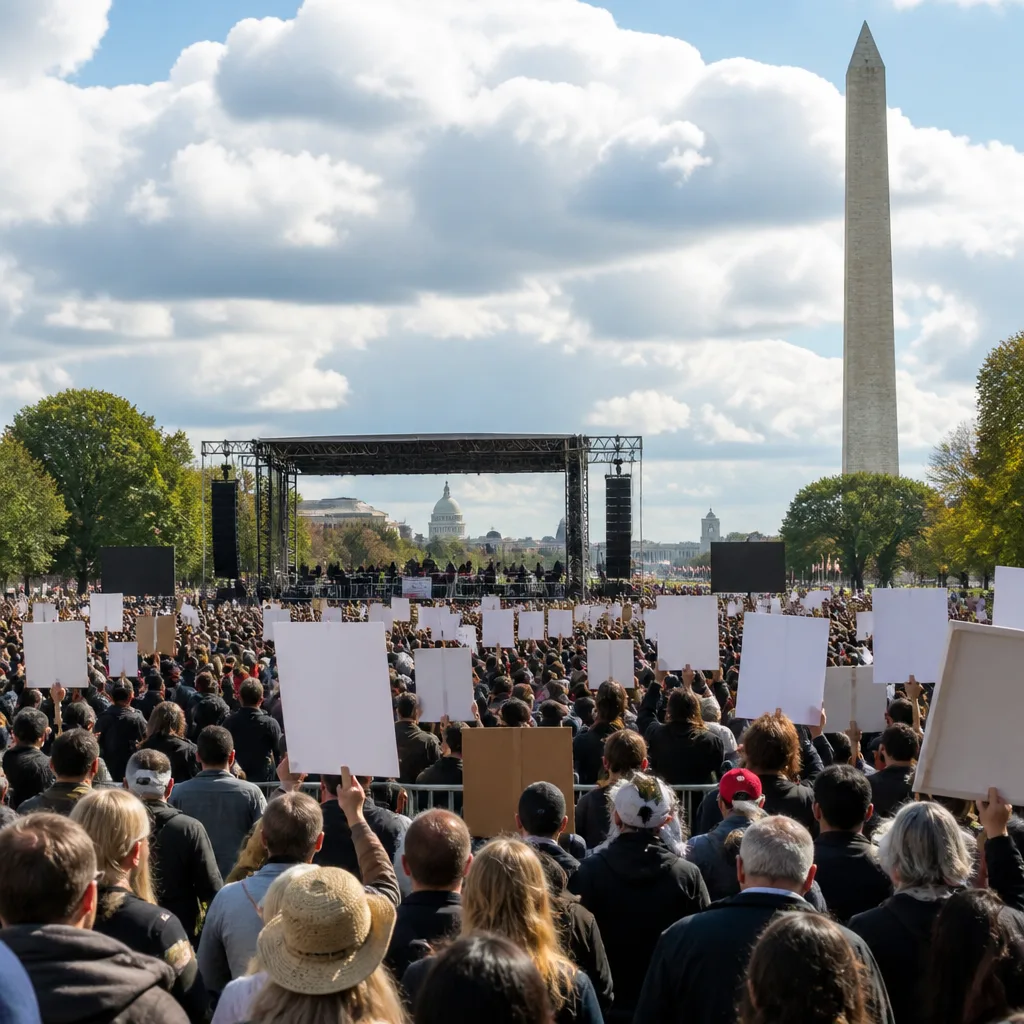
Thousands of demonstrators were expected on the National Mall in Washington for the 2026 "Defend the Vote" march, organised by civil rights stalwarts in response to a recent United States Supreme Court ruling that campaigners say has opened the door to maps that dilute Black voting power.
What the rally is about
The march, co-hosted by the National Action Network — founded by the Rev. Al Sharpton — and the Drum Major Institute, led by Martin Luther King III, brought together civil rights activists, community organisers and prominent progressive politicians ahead of the US midterm elections. The event explicitly invoked the legacy of the 1963 March on Washington for Jobs and Freedom.
Organisers said the demonstration was catalysed by the Court's April decision in Louisiana v. Callais, which the source describes as having reinterpreted parts of the Voting Rights Act of 1965 in ways that allow Southern states to redraw congressional boundaries that activists say erode equal representation in Black communities.
"We've been doing these marches for years, but this is probably the most important because this is the first year we are marching that the voting rights bill has been nullified by the Supreme Court," Rev. Al Sharpton said in an interview with The Associated Press.
Speakers, travel and symbolism
The roster included national figures who have spoken frequently about democracy and civil rights: Senator Bernie Sanders (I–Vt.), Representative Alexandria Ocasio-Cortez (D–N.Y.) and Virginia Governor Abigail Spanberger. Dozens of buses from the southeastern United States were reported to be bringing activists to the capital.
Organisers framed the gathering as both a high-profile show of concern and the start of grassroots organising. "Marches are designed to grab attention and then go into the trenches and organise around that," Sharpton said, according to the reporting.
- Event: 2026 "Defend the Vote" March on Washington
- Organisers: National Action Network; Drum Major Institute
- Drivers: Response to Louisiana v. Callais and recent redistricting
- Key speakers: Bernie Sanders; Alexandria Ocasio-Cortez; Abigail Spanberger; Rev. Al Sharpton; Martin Luther King III
Context and consequences
The march echoes a familiar pattern in American civil rights activism: a high-profile demonstration followed by targeted voter outreach and legal challenges. The 1963 March on Washington, which drew more than 200,000 people to the Lincoln Memorial, is the explicit historical reference point for organisers seeking to link past civil rights victories to present threats.
Campaigners say the Supreme Court decision has immediate practical consequences: it permits state legislatures in parts of the South to redraw congressional maps with fewer federal constraints, a change that critics warn can reduce the electoral influence of Black communities. That, organisers argue, could reshape House delegations ahead of national elections and affect policy outcomes for years.
Speakers at the rally were expected to combine denunciations of the Court's ruling with calls for legislative remedies, state-level organising and continued public pressure. The event's timing — ahead of the midterms — underlines its political purpose: mobilising voters, drawing media attention to alleged disenfranchisement, and pressing for reforms at both state and federal levels.
| Aspect | Implication |
|---|---|
| Supreme Court ruling | Allows looser federal oversight of redistricting; activists say it risks diluting minority representation |
| March | High-profile mobilisation intended to catalyse grassroots organising and legislative pressure |
Whether the march will translate into durable political change depends on a sequence of contested steps: continued legal challenges, state legislative action, and voter turnout in the midterms. For now, the gathering on the Mall serves as a visible warning that civil rights leaders and progressive politicians intend to contest what they see as an erosion of statutory protections for equal representation.