
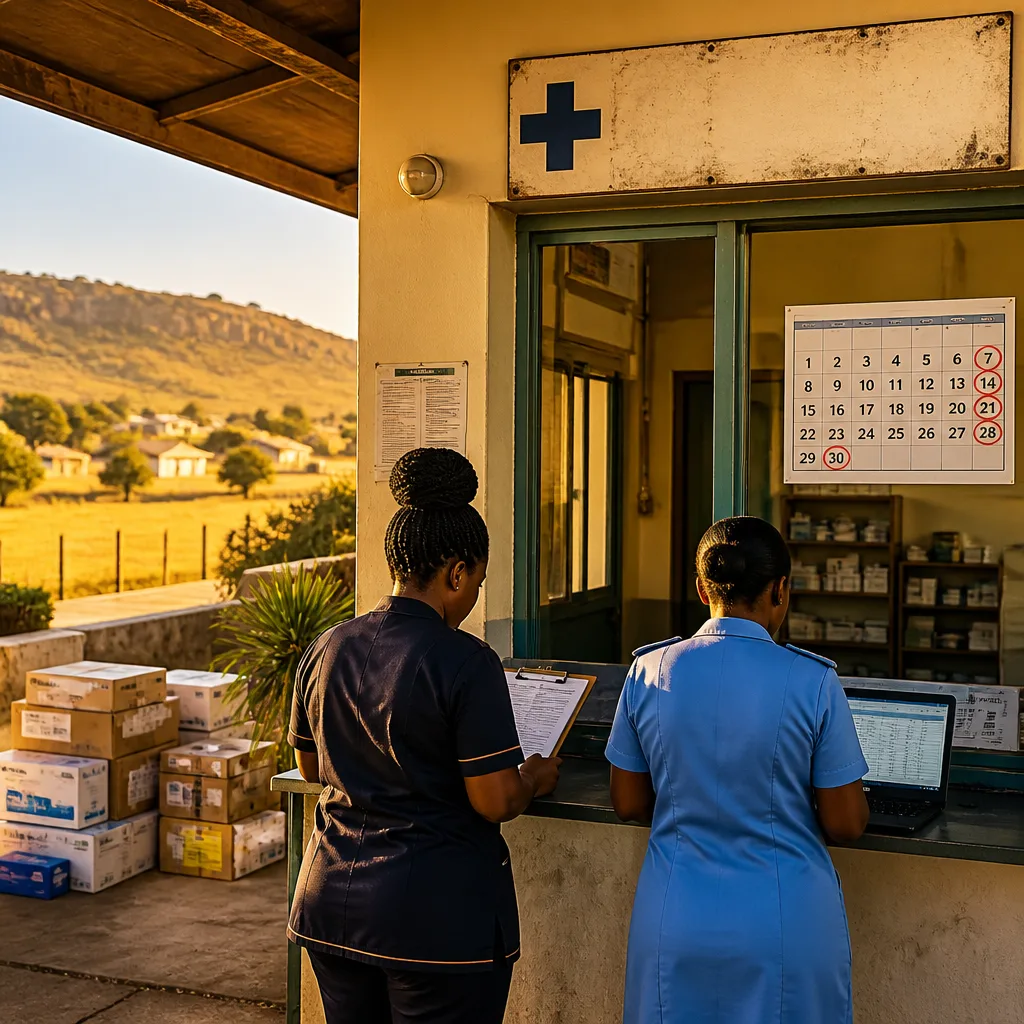
The federal Rural Health Transformation Program will deliver substantial funding to Texas to shore up healthcare in sparsely populated counties, but healthcare providers and advocates have raised concerns about tight application deadlines, onerous reporting requirements and restrictive rules that could slow or limit local impact.
Major inflow of funds, significant expectations
According to reporting by Governing, Texas was allocated US$1.4 billion (approximately R24.5 billion) spread over five years under the federal programme. The state’s first-year award, US$281 million, is the largest single-year grant received by any state so far.
| Item | Amount |
|---|---|
| Five-year allocation to Texas | US$1.4 billion (~R24.5 billion) |
| First-year award | US$281 million |
The programme, part of a federal effort to bolster rural health after concerns about Medicaid cuts, aims to transform rural care rather than serve as a direct replacement for lost Medicaid revenue.
Providers welcome funding but warn of practical barriers
Health systems and clinics in rural Texas reported optimism about using funds to address long-standing gaps—such as buying advanced diagnostic equipment, upgrading infrastructure and recruiting staff with relocation incentives. Yet several sources told Governing that the timeframes for applying for grants and for measuring impacts were too compressed for many rural providers to participate effectively.
“If you’re in Texas, you really can’t see patients in those conditions,”
That observation was offered by Sarah Hohman, director of government affairs at the National Association of Rural Health Clinics and cited in the reporting to illustrate how inadequate facilities or broken HVAC systems can force clinics to reduce hours or close temporarily—problems that the new funds could address but which require planning and procurement capacity to fix.
Governing reported anecdotes including a parent in Victoria driving 1.5 hours each way to access paediatric care when the only local physician stopped accepting Medicaid. Such examples highlight how access is shaped by workforce acceptance of insurance, clinic capacity and geography.
- Scale: The federal programme totals US$50 billion to states over five years; Texas’ allocation is among the largest.
- Purpose: Funding is intended to transform rural systems—investing in equipment, workforce and infrastructure—rather than directly offset Medicaid shortfalls.
- Concerns: Tight application timelines, reporting burdens and restrictions on allowable uses may limit uptake by smaller providers.
Implications and next steps
States must submit spending plans to the Centers for Medicare & Medicaid Services (CMS). The success of the programme in rural communities will depend on the ability of state health agencies and local providers to translate large, time-bound federal awards into sustainable improvements in care access and quality.
For South African readers, the Texas example underscores several transferable lessons: large injections of funding can create opportunity, but implementation details—timelines, administrative burden, and flexibility of permitted spending—determine whether resources reach the patients who need them. Rural and remote facilities often lack grant-writing capacity and procurement agility; targeted technical assistance and simplified application processes are frequently necessary complements to cash awards.
Patients or clinic staff who are worried about local services should continue to use established clinical channels for care and consult local health departments about any programme-related opportunities or changes. Policymakers designing rural health interventions should ensure that administrative arrangements match the realities of small clinics and overloaded frontline teams, so that funding intended to improve access actually delivers.
This article is based on reporting by Governing and outlines reported facts and perspectives on the rollout of the federal Rural Health Transformation Program in Texas.











