
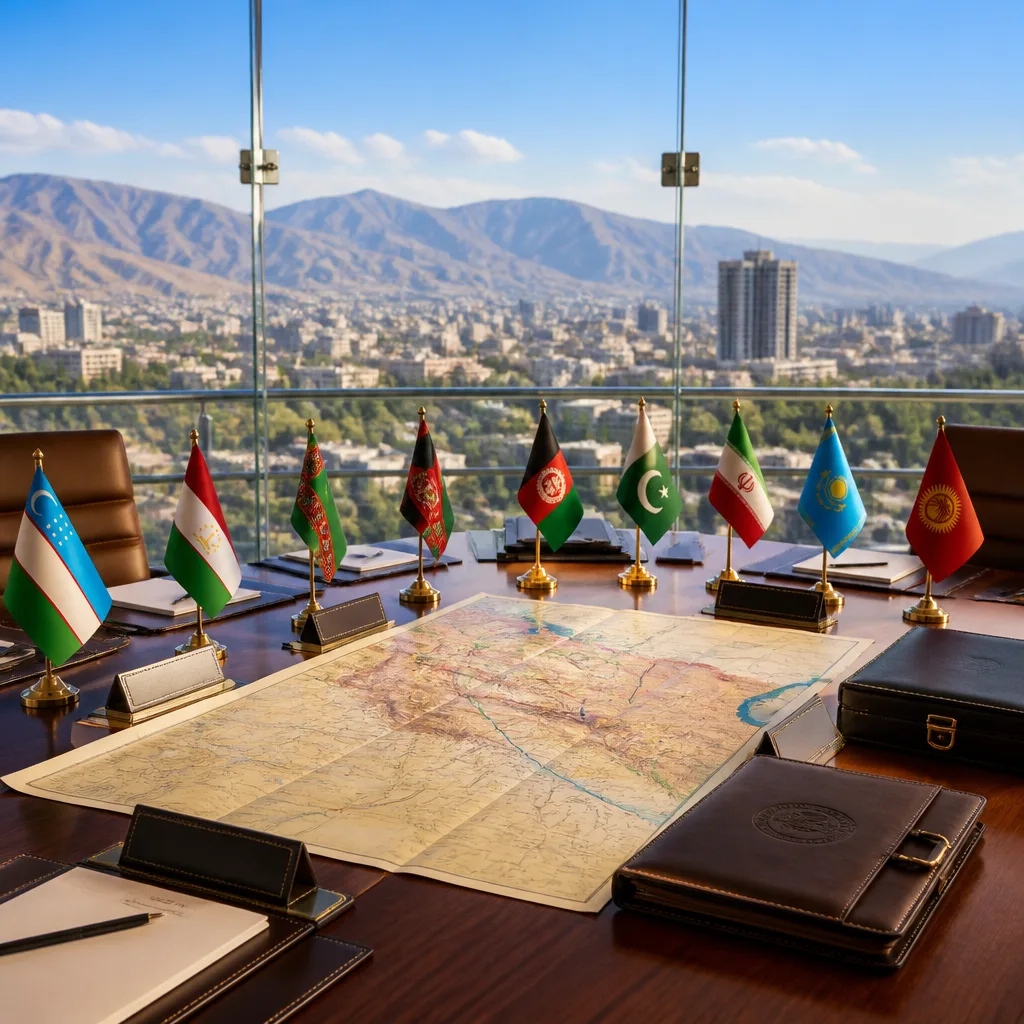
The Taliban government in Kabul has publicly signalled a recovery of diplomatic contacts with neighbouring states, highlighting visits by Central Asian delegations and regional discussions on trade corridors even as Western powers pursue limited engagement on security and migration issues.
From isolation to pragmatic outreach
Since seizing control of Afghanistan on 15 August 2021, the Taliban have formally remained subject to international sanctions and widespread non-recognition. Yet, in recent months the movement has presented evidence of widening contacts with regional capitals.
At a press conference, the Taliban's spokesperson, Zabihullah Mujahid, said:
"We seek to establish relations with all countries."
Mujahid pointed to a series of visits by neighbouring states this year and to an April conference where officials from several Central Asian countries discussed export routes through ports in Iran and Pakistan.
Who has engaged with Kabul
According to the reporting, engagements this year have included:
- Deputy foreign ministers from Uzbekistan and Kyrgyzstan attending an April conference in Kabul.
- Officials from Turkmenistan, Tajikistan and Kazakhstan participating in the same talks on export routes linking Afghanistan to regional ports.
These meetings focused on practical issues such as trade corridors and transit links rather than political recognition or human rights conditions.
| Country | Role in 2024 engagement |
|---|---|
| Uzbekistan | Deputy foreign minister attended Kabul conference |
| Kyrgyzstan | Deputy foreign minister attended Kabul conference |
| Turkmenistan | Officials attended conference on export routes |
| Tajikistan | Officials attended conference on export routes |
| Kazakhstan | Officials attended conference on export routes |
Western engagement remains limited and conditional
While regional capitals pursue practical cooperation with Kabul, American and European officials continue to engage the Taliban chiefly on counterterrorism and the return of failed asylum seekers, the reporting said. Those talks do not amount to recognition but reflect a narrowly defined, interest-driven interaction.
Analysts and diplomats interviewed in the original reporting framed the approach as transactional: neighbouring states seek stable transit routes and trade links through Afghanistan, while Western capitals seek assurances that Afghan territory will not again be used as a launchpad for international terrorism and arrangements for the repatriation of rejected asylum seekers.
The Taliban's celebration of renewed contact underscores a tactical success: despite sanctions and international pressure over rights — particularly those affecting Afghan girls and women — the movement has widened its diplomatic space without conceding on those contentious issues.
Implications for the region and South Africa
Practical engagement on trade corridors could affect regional supply chains and migration patterns. For South Africa, which is affected indirectly through global migration flows and international counterterrorism cooperation, the developments underline the complexity facing states that balance humanitarian concern with security and migration management.
As the Taliban consolidate these contacts, the international community faces a choice between isolating Kabul at the cost of ceding influence to regional actors, or engaging selectively to secure narrow interests while maintaining pressure on rights and governance.
The longer-term outcome will depend on whether increased regional contact leads to concrete policy shifts from the Taliban on human rights and governance — matters that, so far, the movement has not publicly addressed in response to renewed diplomacy.









