
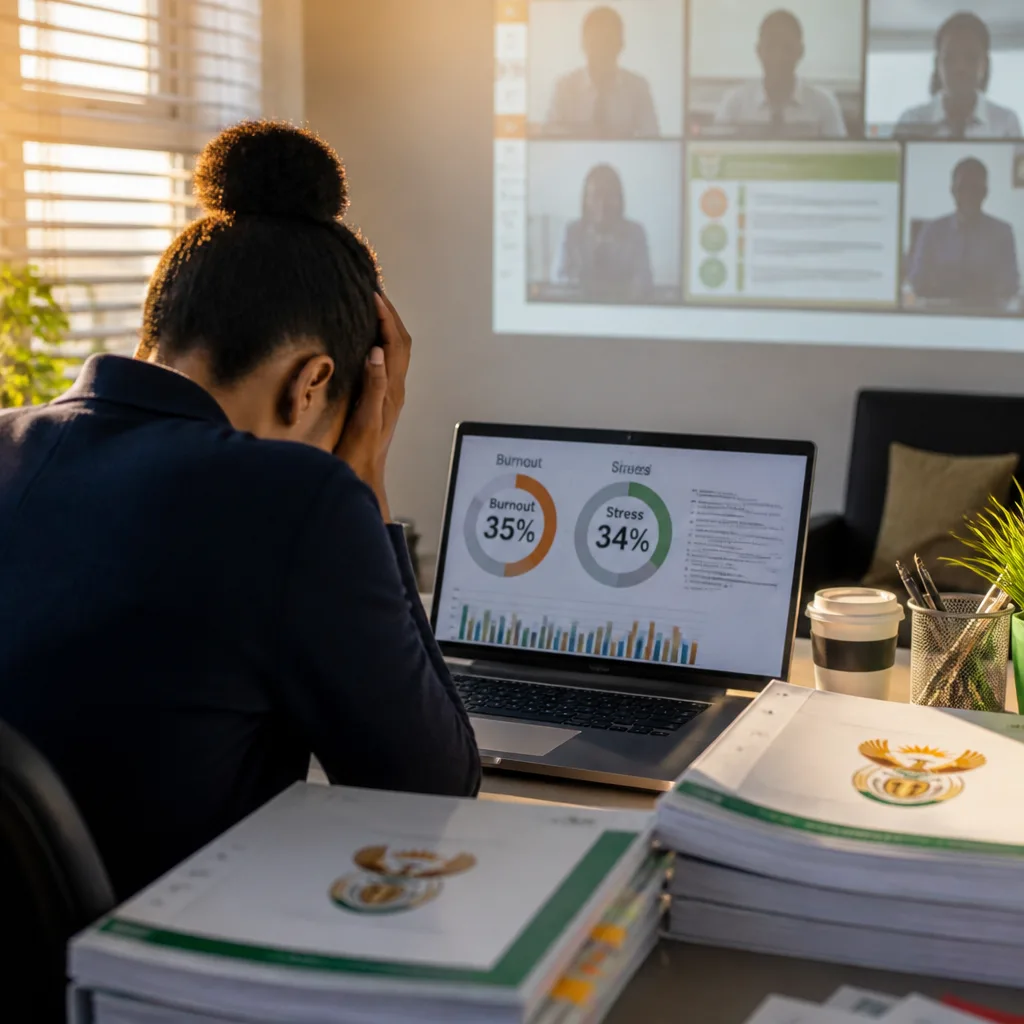
The latest pulse survey of government public health employees shows a notable rise in burnout and stress, with younger staff reporting the sharpest decline in wellbeing compared with 2024. The findings were presented at a webinar hosted by de Beaumont and summarise responses to the PH WINS Pulse Check 2026, a follow-up instrument to the longer Public Health Workforce Interests and Needs Survey (PH WINS).
Key findings from the 2026 Pulse Check
The Pulse Check is designed to capture how individual state, territorial and local government public health workers are experiencing work conditions between full PH WINS cycles. Presenters described it as a tool to inform workforce development, training priorities and investments.
| Measure | Share reporting worsening since 2024 |
|---|---|
| Burnout | 35% |
| Stress | 34% |
| External politics negatively affecting work units | 47% |
| Work unit budget worse than 2024 | 41% |
| Worsening federal public health information | 44% |
Young staff disproportionately affected
The Pulse Check highlights a pronounced age gradient. Among respondents aged 35 or younger, 47% reported that burnout was worse or much worse in 2026 compared with 2024; among older colleagues that figure was 31%. Similarly, 31% of younger workers reported worse mental and emotional wellbeing versus 21% of older workers.
- Burnout and stress are rising overall — more than one-third of respondents signalled deterioration since 2024.
- Younger public health workers report larger declines in wellbeing and emotional health.
- External pressures — politics, budget cuts and information challenges — are cited as drivers of strain.
Drivers of workforce strain
Panelists at the webinar attributed respondents' reports to several features of the external environment. Nearly half of survey participants said outside politics are negatively affecting their work unit, and many reported deteriorating budgets and federal public health information. Presenters framed the Pulse Check as filling a gap between full PH WINS cycles, giving leaders more timely insight into shifts in morale, workplace climate and intentions to leave.
Speakers emphasised that PH WINS, first fielded in 2014, remains the only nationally representative survey of government public health workers in the jurisdictions it covers. The shorter Pulse Check is positioned as a focused instrument to track changes in wellbeing, burnout, satisfaction, intention to leave and workplace climate between the larger survey cycles.
Implications for managers and policymakers
Those responsible for public health workforce planning may need to consider targeted actions to stem rising burnout and address the needs of younger employees. The webinar discussion highlighted strategies to support staff wellbeing, improve retention and strengthen internal communication, though the Pulse Check data itself focuses on measuring and describing shifts rather than prescribing specific interventions.
While these findings originate from state, territorial and local government workers covered by PH WINS and the Pulse Check, they resonate with broader concerns about workforce resilience in public health systems worldwide. Leaders are urged to treat timely workforce data as a prompt to evaluate budgets, workplace climate and the clarity of public health information distributed to front-line teams.
Readers should consult their own occupational health services, human resources departments or trusted clinicians if they are concerned about burnout or mental health. Survey findings like these underline the importance of accessible support, clear communication and investment in staff wellbeing within the public health workforce.











