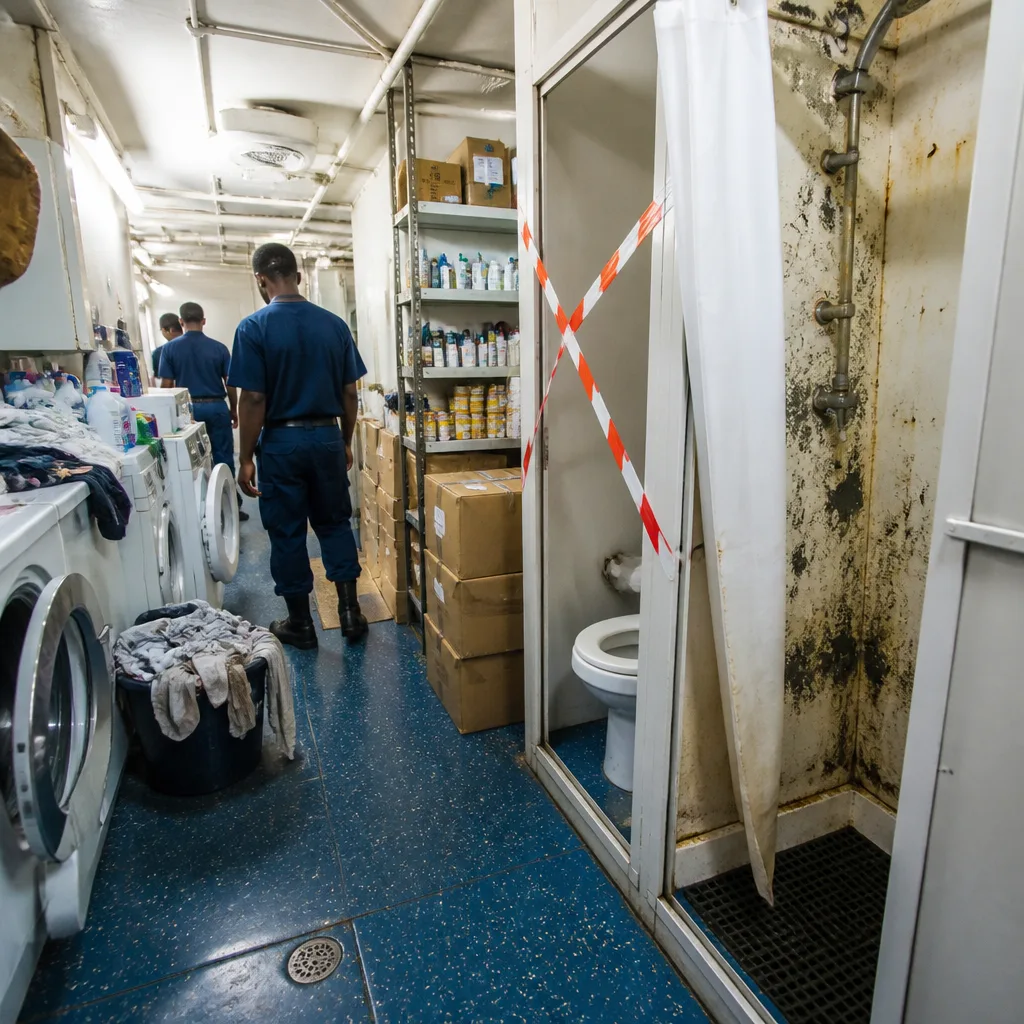
Senator Richard Blumenthal has asked the US Department of Defence for detailed information about living conditions and the mental health of sailors aboard the aircraft carrier USS Abraham Lincoln after families raised alarms about prolonged deployment and deteriorating shipboard facilities.
Concerns raised by families prompt formal inquiry
The senator’s letter, dated 12 August 2026, was addressed to Secretary of Defence Pete Hegseth and Acting Secretary of the Navy Hung Cao. It follows reports from families and subsequent town halls in which relatives described shortages of basic hygiene supplies and chronic failures in ship systems.
Family members reported problems including:
- shortages of food;
- a lack of hygienic products—deodorant, toothpaste and soap;
- mouldy showers and non‑operational toilets;
- laundry facilities described as broken for weeks;
- concerns about low morale, exhaustion and worsening mental health.
“These reports warrant immediate attention, but they also raise a broader question: whether the Navy can sustain the operational tempo now being demanded of its carrier force,” Blumenthal wrote.
The letter notes the Lincoln completed a 264‑day continuous period at sea after departing San Diego on 21 November and making a short stop in Guam on 11 December before not calling in port again until 7 July, when the carrier briefly visited Oman. The prolonged deployment has fuelled concerns that fatigue and low morale could increase the risk of accidents and harm sailors’ mental health.
Context and wider implications
Blumenthal’s correspondence situates the Lincoln’s deployment within a broader pattern of extended carrier operations tied to US military activity in the Middle East. He contrasts the Lincoln’s deployment with that of USS Gerald R. Ford, which earlier recorded 326 days at sea while supporting multiple operations.
The senator asked for clarity on operational objectives, anticipated duration and measures in place to protect sailors’ physical and mental wellbeing amid sustained deployments.
| Vessel | Reported continuous days at sea | Notable operational context |
|---|---|---|
| USS Abraham Lincoln | 264 days | Deployment supporting operations related to Iran; minimal port calls |
| USS Gerald R. Ford | 326 days | Support of Operation Epic Fury and operations in Venezuela |
Family voices cited by initial reporting described the human cost of these deployments, emphasising impacts on morale and psychological strain. In his letter Blumenthal explicitly linked equipment and supply failures to potential risks for safety and mental health, and he questioned whether the Navy could sustainably meet the operational tempo being demanded of its carrier force.
Health consequences and advice
Extended periods at sea with inadequate access to hygiene, laundry and sanitation can contribute to infectious disease risk and worsen mental health outcomes through stress, sleep disruption and social isolation. Evidence from military and civilian settings shows that prolonged operational tempo without adequate rest and support raises the risk of burnout, depressive symptoms and impaired decision‑making.
Service members experiencing distress or physical health concerns should seek assistance through their chain of command, medical staff on board or military mental health services. Family members worried about loved ones should encourage them to access available clinical support rather than attempting self‑diagnosis or relying solely on informal coping strategies.
The senator’s request for information seeks to establish whether immediate remedial steps are being taken to restore essential services and to protect sailors’ health, and whether broader policy changes are needed to prevent similar situations in the future.
Responses from the Department of Defence and the acting Navy Secretary had not been published at the time of reporting. The inquiry highlights the intersection of operational decisions and public health responsibilities within military settings, and the need for transparent reporting on measures to safeguard personnel during extended deployments.
Readers concerned about mental health are reminded to contact a clinician, local health facility, or official military support service for assessment and care rather than self‑diagnosing.