
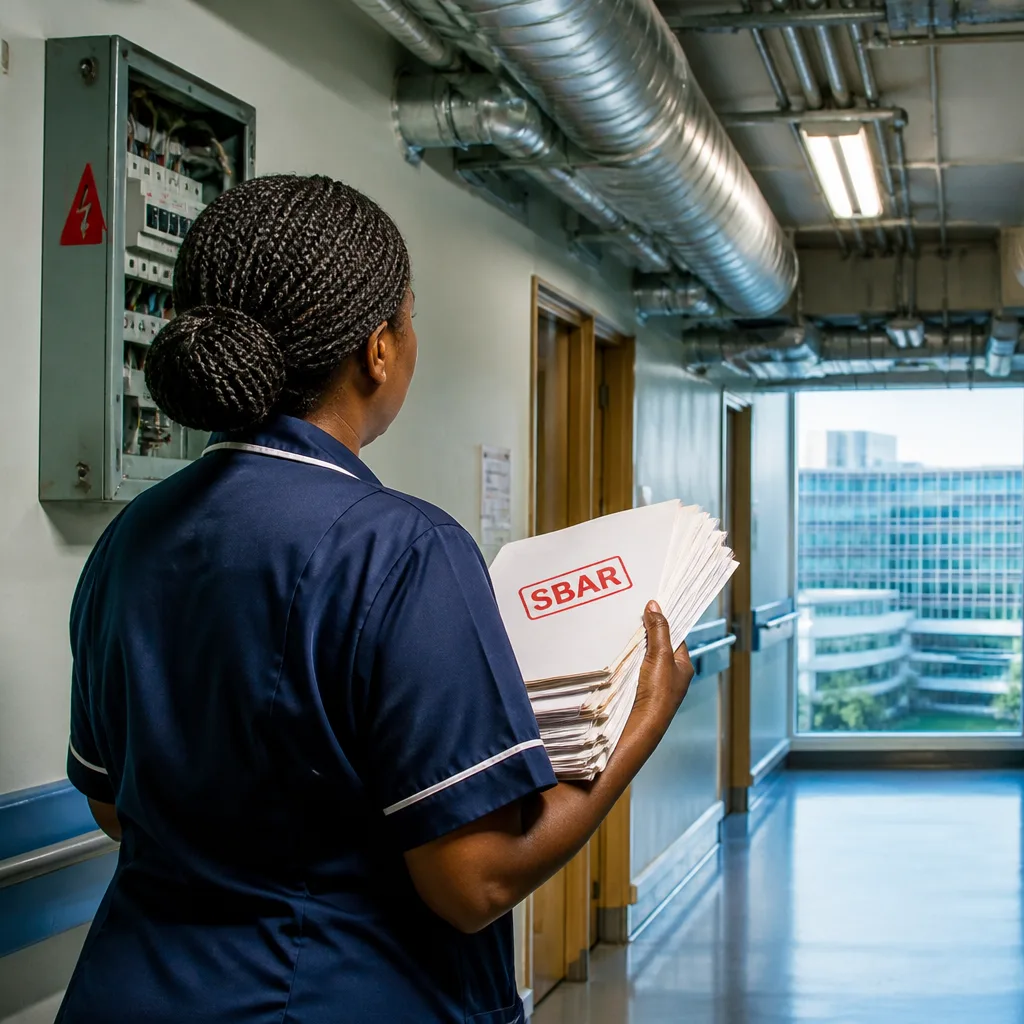
A scientist involved in the development of Glasgow’s Queen Elizabeth University Hospital (QEUH) told the Scottish Hospitals Inquiry that he had been raising concerns about patient safety for more than 15 years, but received what he described as “no formal responses”. The warnings, filed in the health service’s standard SBAR (situation, background, assessment and recommendations) format, focused on ventilation, electrical safety and humidity control across the campus.
Longstanding warnings on ventilation and humidity
According to evidence reported by PA Media and presented to the inquiry, Dr Michael Bradnam said his first SBAR, submitted in 2020, raised concerns about ventilation and temperature control in rooms used with anaesthetic gases. He told the panel he had been informed by a hospital estates worker that those rooms were operating at just two to three air changes per hour, while an external contractor believed the design allowed for six air changes — both figures the scientist said were below the 15 air changes per hour he considered necessary to protect staff.
The submission stated that actual measured ventilation rates displayed a “deficiency” in the system because it could not attain the rates it had been specified to deliver. A later report, in 2024, raised separate concerns about electrical safety. Bradnam also highlighted problems with humidity control in imaging rooms.
He said there had been “no ‘formal responses’” to his complaints.
Inquiry context and potential consequences
The Scottish Hospitals Inquiry was established in 2019 to examine planning, design and construction decisions at the QEUH campus after clinicians and families reported unusual infections and complications. The campus includes the Royal Hospital for Children and the allegations have prompted both the inquiry and a separate probe by Scotland’s independent public prosecution and death investigation authority, which is examining the circumstances of seven deaths for potential links to the hospital environment. Earlier reporting referenced four patient deaths connected to concerns at the site.
NHS Greater Glasgow and Clyde (NHSGGC) said it was reviewing the evidence submitted to the inquiry and emphasised that patient safety remained its “utmost concern”.
What was raised and when
The material presented to the inquiry shows a pattern of formal reports and technical assessments over several years. Key elements included:
- Use of SBARs — the formal mechanism for raising significant clinical and safety issues to management;
- Concerns that ventilation systems were unable to deliver specified air change rates in certain clinical areas;
- Worries about humidity control specifically within imaging suites;
- Reports on electrical safety at the campus submitted in 2024.
| Year | Issue raised |
|---|---|
| 2020 | Ventilation and temperature control in rooms handling anaesthetic gases |
| 2024 | Electrical safety concerns |
| Undated | Humidity control in imaging rooms |
The inquiry’s remit is to establish whether the design and construction of the QEUH campus contributed to avoidable harm. The submissions described by Bradnam will form part of the body of evidence the panel reviews as it assesses whether management and contractors responded appropriately to safety reports and whether those responses protected patients and staff.
Officials have already acknowledged the seriousness of the allegations: separate investigations continue and criminal or regulatory outcomes may follow if shortcomings that contributed to patient harm are established. The inquiry’s findings could also prompt changes in how major hospital projects are specified, commissioned and overseen to prevent similar risks elsewhere.
Patients and families affected by events at the QEUH have sought answers about how design and engineering decisions might have influenced infection control and clinical safety. The inquiry provides a formal route for those questions to be addressed in public, with the advantage of technical scrutiny and the ability to make recommendations for systemic reform.
Health professionals and members of the public should continue to rely on official statements from the inquiry and NHSGGC for updates. Anyone with concerns about patient safety in a local hospital should report these through the appropriate NHS channels or to regulatory bodies; for individual health questions, consult your doctor or clinic rather than relying on media reports.











