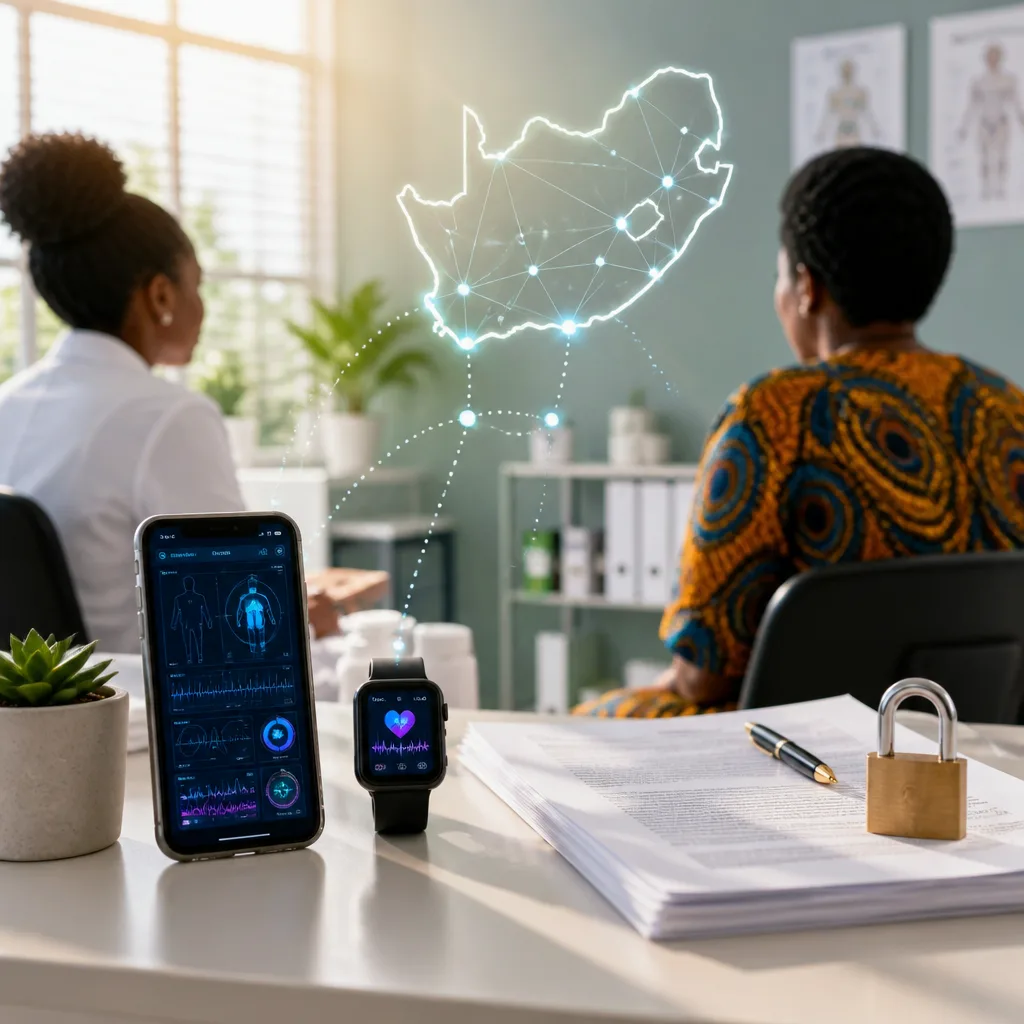
Samsung Electronics on 22 July offered a detailed vision for how artificial intelligence (AI) could make personal health management easier and more connected, emphasising personalised guidance drawn from an individual's daily rhythms and the need to keep people at the centre of technology-driven care.
AI to translate fragmented data into personalised guidance
At the Galaxy Unpacked event in London, Dr Hon Pak, Senior Vice President and Head of the Digital Health Team, Mobile eXperience (MX) Business at Samsung, discussed how AI can learn an individual's day-to-day physiological patterns and behaviour to turn what is now often fragmented device data into more meaningful, personalised health information.
Samsung framed this approach as part of what it calls Connected Care — a model that extends beyond devices and data to link people across the health ecosystem, including healthcare professionals, family members and external partners.
- Personalisation: AI models that adapt to daily bodily rhythms and patterns.
- Integration: Connecting device data with clinicians, families and ecosystem partners.
- Human-centred design: Prioritising people as the focus of technological change.
| Feature | What Samsung described |
|---|---|
| AI learning | Adapts to individual daily rhythms and patterns |
| Connected Care | Links patients, clinicians, families and partners |
"simpler, more connected, and human-centred."
Implications for patients and health services
For South Africa's public and private health sectors, the ambition to use consumer devices and AI for continuous, personalised monitoring raises both opportunities and questions. On the opportunity side, better integration of wearable and phone-derived data could support ongoing chronic-disease management, early detection of changes in health status, and improved communication between patients and clinicians.
However, deploying AI-driven, device-based care at scale also presents practical challenges. These include ensuring clinical validation of algorithms, integrating new data streams into existing electronic health records, protecting patient privacy, and securing equitable access so that benefits are not limited to those who can afford the latest devices.
South African health institutions such as the National Department of Health, provincial health departments and clinicians will need to consider how consumer-driven platforms might complement — but not replace — established clinical pathways. Any move towards AI-supported monitoring and decision support should be accompanied by independent evaluation and clear clinical governance frameworks.
Data security, regulation and equity concerns
Health data are among the most sensitive personal information, and the prospect of richer device-generated health profiles heightens the importance of security and regulation. South Africa’s data protection landscape and health regulators will be central to determining how imported or locally developed AI health tools may be used safely and legally.
Equity is another major issue. If advanced AI health features remain tethered to premium devices and paid services, they could widen existing disparities in access to care. Policymakers and health managers should weigh strategies that ensure such technologies support broader public-health goals rather than creating parallel systems for those who can pay.
What patients should do
Consumers attracted to AI features in wearables and phones should treat these tools as supplements to, not replacements for, clinical care. People with ongoing medical conditions should continue to consult their healthcare provider or clinic about symptom changes or treatment decisions rather than relying solely on device-generated advice.
Health professionals and facility managers should seek evidence of clinical validation, interoperability and data protection before integrating consumer-device data into patient records or care plans.
Samsung’s presentation at Galaxy Unpacked reiterated a widely shared industry aim: to make health management easier by connecting data and people. The next phase will require transparent evaluation, regulation and deliberate steps to ensure innovations benefit all South Africans, not only those with the latest devices.
Editor’s note: Patients should consult a registered healthcare professional before making changes to treatment based on device data or AI-generated suggestions.