
RioFilme, the film and television agency of Rio de Janeiro, said it will launch a call for proposals totalling R$15 million to support up to four international co‑production feature projects involving Rio‑based companies. Leonardo Edde, president of RioFilme, announced the initiative ahead of a panel at Gramado Fest 2026, signalling a stepped‑up push by the city to consolidate its position as a global production hub.
Eligibility and co‑production rules
Edde said the funding line will accept fiction and animated feature films, but projects must comply with Brazilian regulations administered by Ancine, the National Cinema Agency. Where a co‑production partner hails from one of the countries that have existing bilateral agreements with Brazil — including South Africa — the co‑production must follow the terms of those agreements. For projects outside the treaty network, the rules require a Rio partner to hold at least 40% of the film’s rights and that two‑thirds of artists and technicians be Brazilian.
- Support amount: R$15 million for up to four projects
- Eligible formats: fiction and animated feature films
- Co‑production rules: follow bilateral agreements where applicable; otherwise minimum Brazilian participation thresholds apply
Countries with formal co‑production agreements
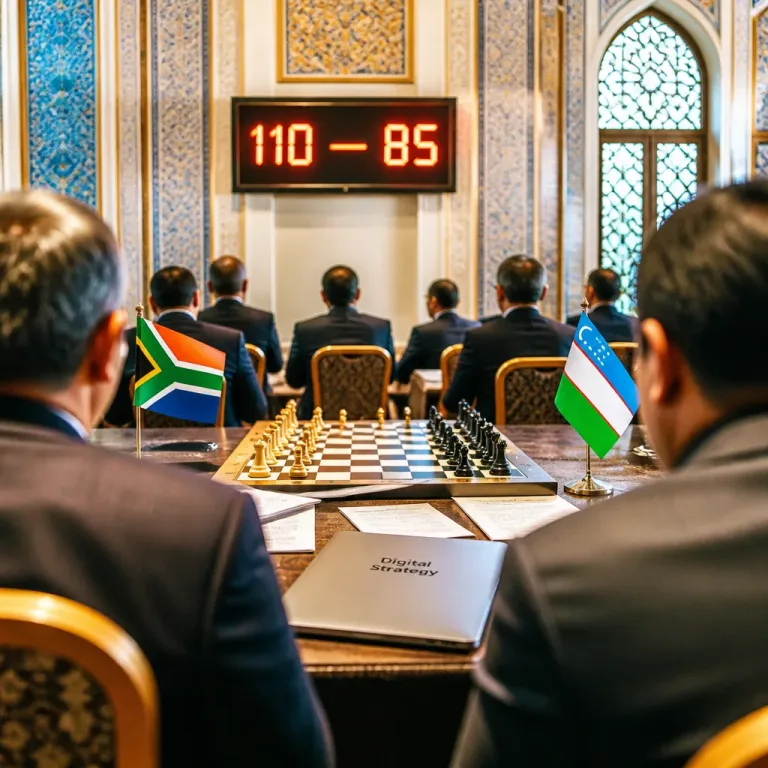
RioFilme identified the 13 countries that currently have co‑production treaties with Brazil. South African producers therefore sit within the established treaty framework and can seek funding while observing agreed rules on participation and rights.
| Countries with co‑production agreements |
|---|
| South Africa, Germany, Argentina, Canada, Chile, Spain, France, India, Israel, Italy, Portugal, the United Kingdom and Venezuela |
Rio’s strategy and production growth
Edde framed the new funding line as part of an ambitious plan to deepen Rio’s role in international audiovisual production. He noted that recent reforms to the city’s film commission and incentives have made Rio one of the most filmed cities globally. According to RioFilme, the city hosted 40 international productions in the first six months of 2026, up from 28 in the corresponding period last year.
These figures indicate rising demand for Rio locations, crews and studios, and the new fund aims to cement longer‑term partnerships by supporting projects that formally include Rio‑based companies.
“The Brics project has still not taken off in a manner commensurate with its potential. I believe the integration between the countries will be achieved through the cultural industry, especially the audiovisual industry,”
Edde singled out China as a primary target for future engagement, describing relations with BRICS partners as under‑developed in film and television despite broader political and economic ties. He said initiatives such as BRICS film festivals exist but argued they are not yet permanent or high priority for the countries involved.
Implications for South African producers
For South African producers and financiers, the announcement formalises a route to Brazilian support under an existing treaty framework. Projects that meet the co‑production requirements can benefit from RioFilme’s call and the city’s expanding production infrastructure.
Practical considerations for South African teams will include meeting Ancine’s nationality and rights thresholds, aligning financing and distribution plans with treaty obligations, and scheduling to take advantage of Rio’s busy international production calendar.
RioFilme will provide full details of the call at Gramado Fest 2026. South African industry players seeking international partners may view the fund as an opening to deepen relations with one of Latin America’s most active production centres while navigating the specific treaty conditions that apply to co‑productions.