PT Kurnia Ciptamoda Gemilang (KCG), the Indonesian operator of fashion brand Pomelo, has started a clothing collection and reuse programme that exceeded expectations in its first month but underlines a wider problem for retailers: recycling is expensive and hard to sustain without external support.
Early results and the consumer angle
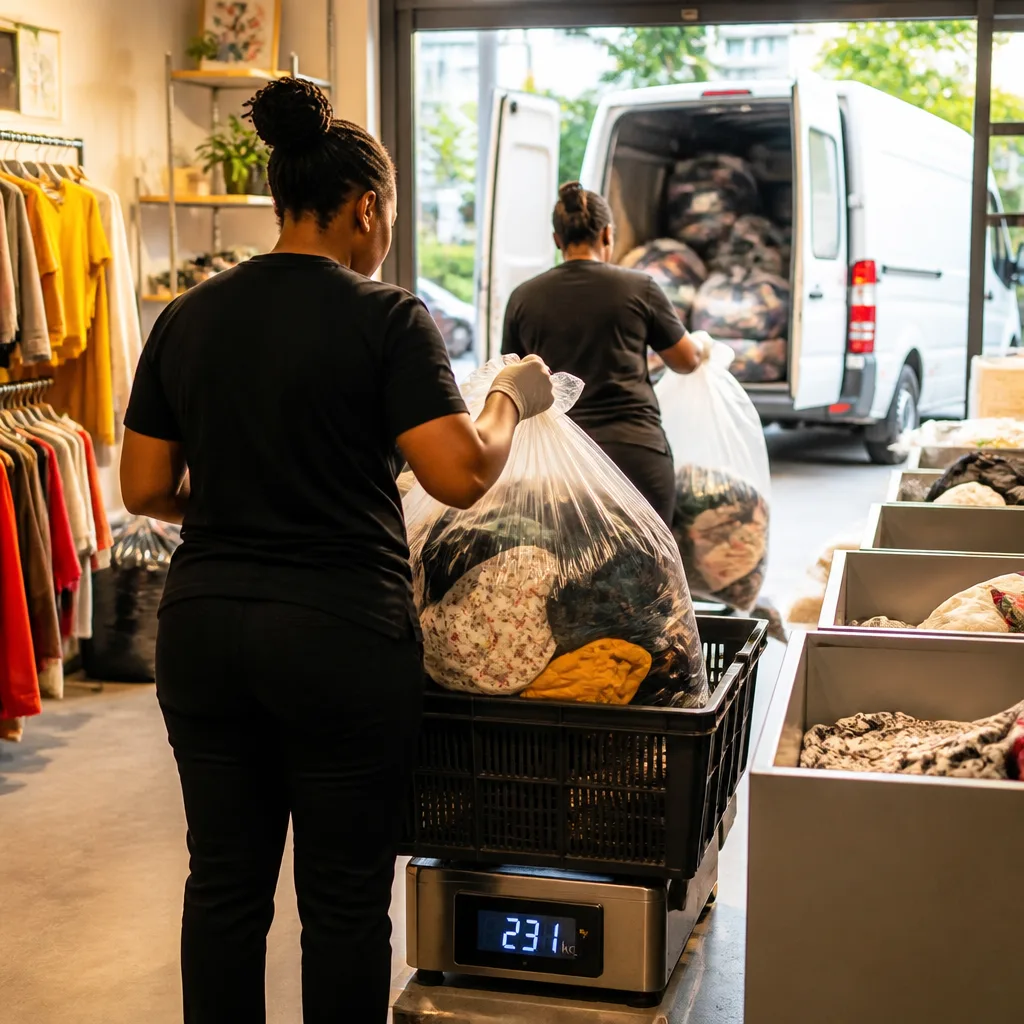
Across eight outlets, the company collected 231 kilos of garments in month one — more than double its internal target of 100 kilos. Wearable items are redistributed to orphanages and vulnerable communities via the Cinta Laura Foundation; damaged items are transferred to Indonesian textile recyclers Lestari and New Factory.
“As a retailer, we have to understand our consumers—where trends are going and what matters to them,”
The programme, launched with minimal promotion, drew repeat donations, the company reported to Retail Asia. KCG’s business and operations director, Haryanto Pratantara, told the outlet the initiative is aimed chiefly at sustaining customer loyalty as younger shoppers increasingly value environmental responsibility.
Cost barrier to full circularity
Pratantara emphasised the distinction between reuse and recycling. Reuse—finding a new home for wearable items—can be implemented quickly and cheaply. By contrast, textile-to-fibre recycling, which turns damaged garments back into raw material, remains a high-cost operation. KCG has not quantified any direct financial benefit from the scheme, instead treating it as an investment in brand and customer relations.
He warned that broader adoption of recycling across retail will depend on funding and regulation. According to the Retail Asia interview, Pratantara expects recycling to become widespread within about five years only if there is meaningful government intervention or corporate social responsibility investment to offset conversion costs.
What this means for South African retailers and policy
For South African retailers and policymakers, the KCG experience highlights several practical points:
- Reuse programmes can be scaled quickly and serve immediate social needs with low capital outlay;
- Mechanical or chemical recycling of textiles requires investment and often specialised partners, pushing up unit costs;
- Retailers may prioritise customer loyalty and brand positioning over short-term profit from reuse schemes;
- Regulation and targeted funding can compress the timeline for making recycling commercially viable.
These lessons matter for local textiles and retail chains weighing take-back schemes, resale platforms or partnerships with recyclers. South Africa already faces textile waste and job-preservation challenges; a clear policy framework could shape whether circular approaches create new opportunities or remain niche, industry observers say.
Numbers at a glance
| Metric | Value |
|---|---|
| Outlets running the trial | 8 |
| Clothing collected in month one | 231 kg |
| Initial target | 100 kg |
| Retailer’s recycling timeline expectation | 5 years |
For South African businesses, the core calculus will be whether reuse programmes can be integrated into customer-facing strategies while policymakers and larger corporations subsidise the high upfront costs of industrial recycling technology.
Pratantara told Retail Asia that without government regulation and corporate funding, scaling recycling will be difficult. That presents a choice for countries aiming to develop a local circular textiles industry: either accept slower, market-driven change centred on reuse and resale, or accelerate investment through public policy and targeted incentives.
Retailers considering similar schemes should account for logistics, partner recyclers, and potential reputational gain. While the immediate financial return from take-back programmes can be small, the longer-term value may lie in retaining younger customers who prioritise environmental practice. As always, companies must weigh brand benefits against the capital and operational costs of turning old garments back into new fibre.
WE NEWS does not offer financial advice; this report describes observed industry developments and the policy considerations they raise.