Provincial and municipal leaders press for stronger public–private action in Secunda
The Mpumalanga provincial government has called for closer collaboration between government, business and civil society in Secunda to tackle environmental challenges while expanding economic opportunities through recycling and the circular economy.
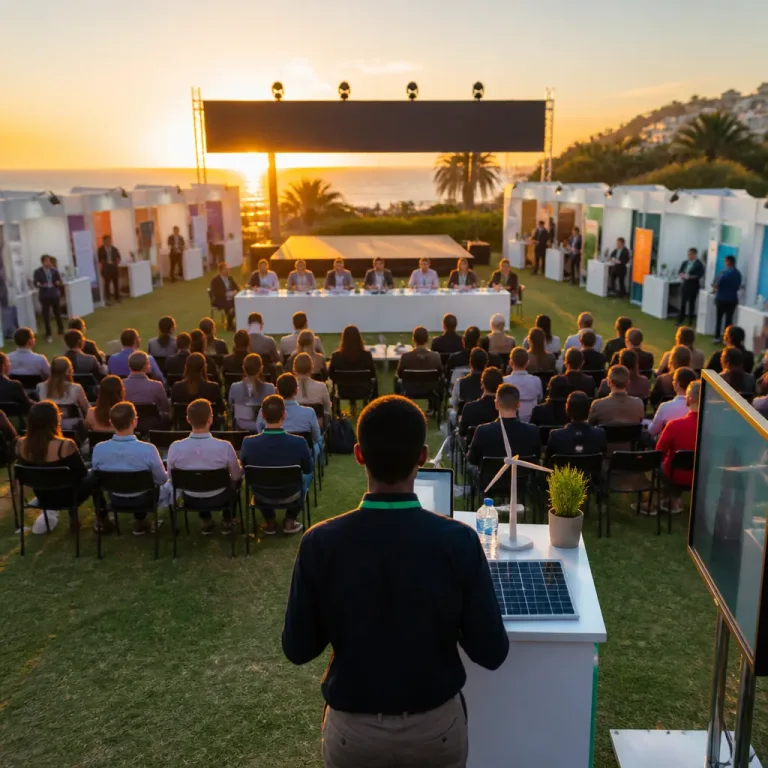
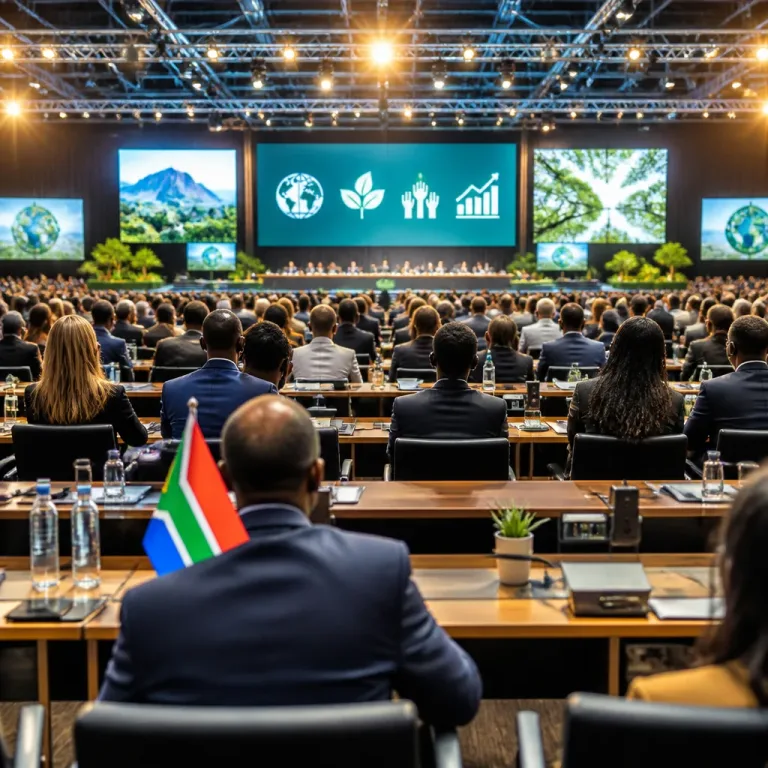
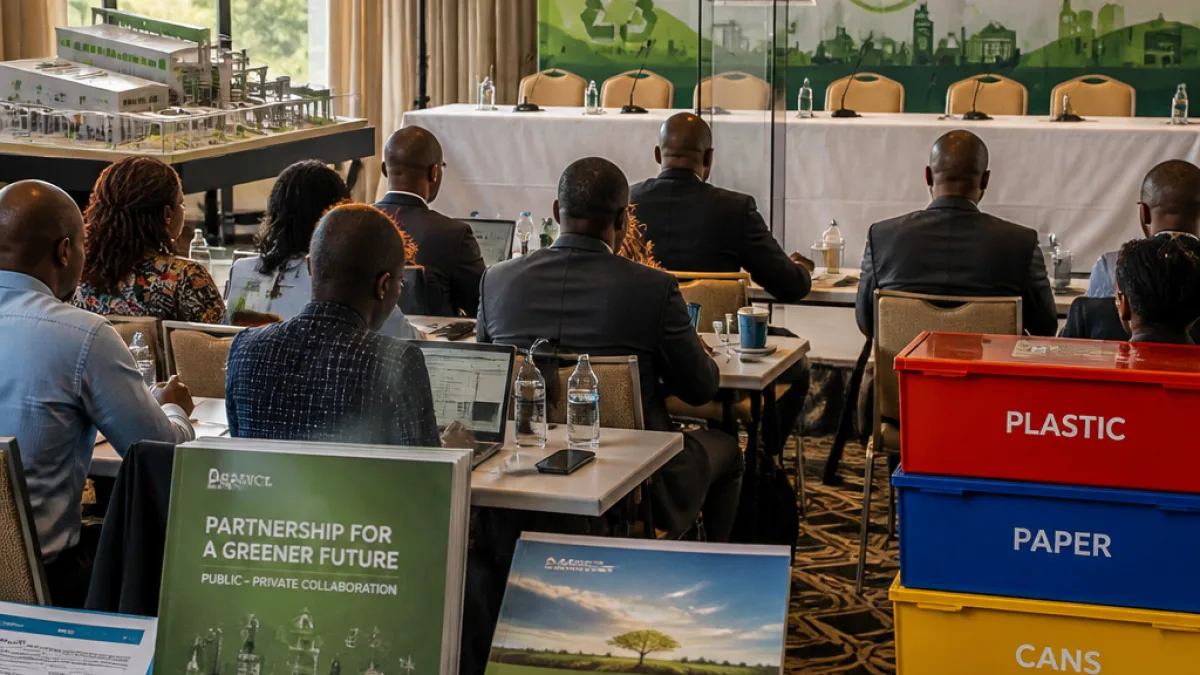
The appeal came at an Environmental and Sustainable Economy Business Breakfast hosted at Lake Umuzi Hotel on 11 September. The event was addressed by the provincial MEC for Agriculture, Rural Development, Land and Environmental Affairs, Khethiwe Moeketsi, and included presentations on the Temvelo Flagship Programme and the proposed Material Recovery Facility (MRF).
Moeketsi framed the breakfast as an opportunity for government to engage directly with businesses and civil society organisations to strengthen partnerships that could create jobs and income streams from waste. Presentations and discussion emphasised the need to move beyond seeing waste as a disposal problem to viewing it as feedstock for small, medium and micro enterprises (SMMEs).
Govan Mbeki Municipality Executive Mayor Nhlakanipho Zuma urged communities and businesses to increase recycling efforts and cooperate to reduce the volume of waste sent to landfill sites. The mayor’s remarks highlighted the municipal pressure from growing waste streams and the potential relief that properly managed recovery facilities could provide.
Industry role and education
Sasol participated in the event and underscored the need for behavioural change, particularly among young people, through environmental education, tree planting and clean-up campaigns. The company also signalled its intention to partner with the provincial department for the 2026 Temvelo Awards and Symposium, aligning corporate social investment with provincial environmental goals.
Speakers at the breakfast identified three immediate areas where collaboration could yield results for Secunda:
- Establishing or expanding a Material Recovery Facility (MRF) to sort and route recyclable materials into local SMME supply chains;
- Skills development and environmental education to change consumer behaviour and build a local workforce for recycling enterprises;
- Public–private financing and technical support to scale recovery operations and create stable markets for recycled products.
Local consequences and questions for residents
For Secunda residents the discussions have practical implications. A functioning MRF could mean more formal jobs and income opportunities for informal waste pickers and SMMEs, fewer trucks to distant landfill sites and reduced municipal disposal costs. Conversely, establishing such facilities requires start-up capital, regulatory coordination and guaranteed supply chains to buyers of recycled material.
Municipal officials were encouraged to map existing waste flows and identify collection points that could feed an MRF, while private companies were asked to explore offtake arrangements—contracts to buy processed recyclables locally—so that SMMEs have predictable markets.
Who attended and what they presented
The breakfast brought together provincial officials, the Govan Mbeki municipal leadership, representatives from industry including Sasol, and civil society organisations involved in waste and environmental education.
| Stakeholder | Role or focus |
|---|---|
| Mpumalanga Department of Agriculture, Rural Development, Land & Environmental Affairs | Policy leadership; Temvelo Flagship Programme |
| Govan Mbeki Municipality | Local waste management and municipal planning |
| Sasol | Industry partner; environmental education and Temvelo partnership |
| Civil society & SMME representatives | Community mobilisation, recycling initiatives and potential MRF operators |
Speakers said the Temvelo programme and the MRF concept are not instant solutions but can form part of a phased approach: pilot projects, skills training, then scaling with business and municipal support.
Next steps
Organisers asked for continued dialogue to turn the proposals discussed at Lake Umuzi into concrete projects. Key actions flagged included:
- Assessing the business case and location options for an MRF;
- Developing training programmes aligned to recycling value chains;
- Securing commitments from industry for technical support and offtake arrangements.
For Secunda, a town long shaped by energy and heavy industry, the push towards a circular economy reflects a broader effort to diversify local economic activity while managing environmental impacts. The success of these initiatives will depend on sustained public–private cooperation, clear municipal planning and the participation of communities and youth in the work of waste reduction and reuse.