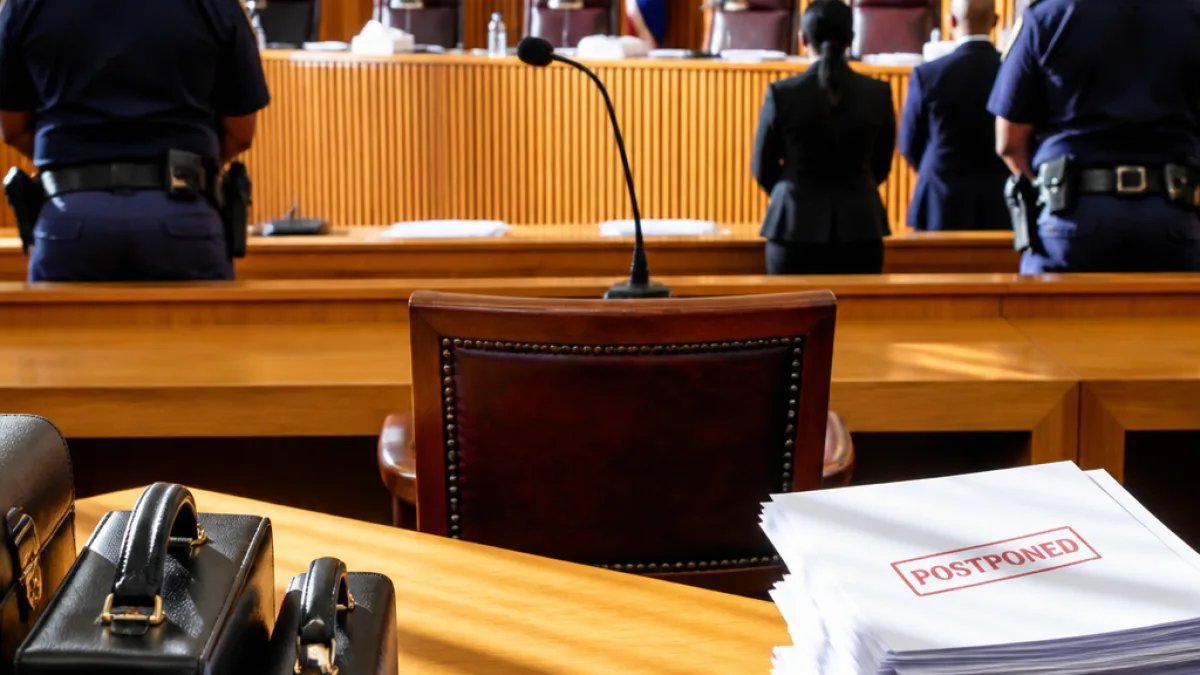
Bafana Sindane, a prominent figure in the Mpumalanga taxi industry and an associate of well-known taxi boss Joe Sibanyoni, is scheduled to appear before the Madlanga Commission this week. Legal practitioners representing Sindane are reportedly unavailable and a postponement application is anticipated.
What Sindane is expected to address
According to reporting, Sindane is set to give evidence concerning his alleged links with members of the police and to discuss messages exchanged with Sibanyoni. The messaging and the nature of Sindane’s relationship with police officers are likely to be examined as part of the commission's wider inquiry into allegations involving the taxi industry.
"25 June 2025, 'We are in charge of the streets'. This expression requires contextual understanding. Taken in isolation, it may appear alarming. In context, this was an expression that we are in charge of ourselves and out running on a daily. It's personal motivation of healthy lifestyle and nothing must be attributed to the statement."
The quote above was cited during recent testimony from other witnesses at the commission and was discussed in coverage of related proceedings. It refers to a statement attributed to parties involved in the broader matter under scrutiny.
Connection to the extortion case
Sindane is named as a co-accused alongside Sibanyoni in a multimillion-rand extortion case. Media reporting has identified the pair as linked in the investigation, though the commission’s remit differs from a criminal trial: it seeks to establish facts, patterns and accountability across a range of allegations put before it.
For residents and commuters who rely on taxis across Mpumalanga, the hearings may offer clarity about reported criminality within the sector and about any institutional failures that allowed such activity to occur. The outcomes could inform police oversight and regulatory responses affecting commuter safety and service delivery.
Why the commission matters locally
The Madlanga Commission’s investigations have relevance beyond individual testimonies. They probe the intersections between industry leadership, alleged organised activity and public institutions. For communities in Mpumalanga, where taxis are a primary form of public transport and a source of employment, findings may influence:
- police oversight and conduct in taxi-related incidents;
- policy or regulatory changes affecting taxi operations and licensing;
- public confidence in both the transport sector and law enforcement.
Those outcomes could have practical effects on how taxi associations are policed and how municipalities engage with industry leaders on licensing, safety and conflict resolution.
What to expect at the hearing
Media coverage indicates that a postponement application is likely if Sindane’s legal representatives remain unavailable. If the commission grants a postponement, a new hearing date will be set and announced in due course. Should Sindane appear as scheduled, questions will likely focus on his communications with Sibanyoni and on any contacts he may have had with police officers.
The commission’s proceedings are part of a broader effort to establish accountability where organised activity is alleged. Witnesses already giving evidence have included individuals who addressed messaging and contextual interpretation of statements made in private and public settings.
| Date | Event |
|---|---|
| 25 June 2025 | Phrase "We are in charge of the streets" cited in testimony |
| This week (scheduled) | Bafana Sindane expected to appear before the Madlanga Commission; postponement application anticipated |
Legal observers and local stakeholders will be watching to see whether the commission proceeds or reschedules Sindane’s appearance. Any postponement would delay examination of the topics linked to his testimony but would not remove him from the list of witnesses the commission intends to question.
For commuters and local businesses in Mpumalanga, the hearings could take on immediate significance if they prompt tighter scrutiny of taxi operations and of relationships between industry actors and state institutions. The commission’s eventual findings may lead to recommendations that affect policing, licensing and the regulatory environment for taxis.
As proceedings continue, further coverage will follow scheduled appearances and any rulings on postponements, together with the commission’s assessments of evidence regarding the sector and its connections to public bodies.