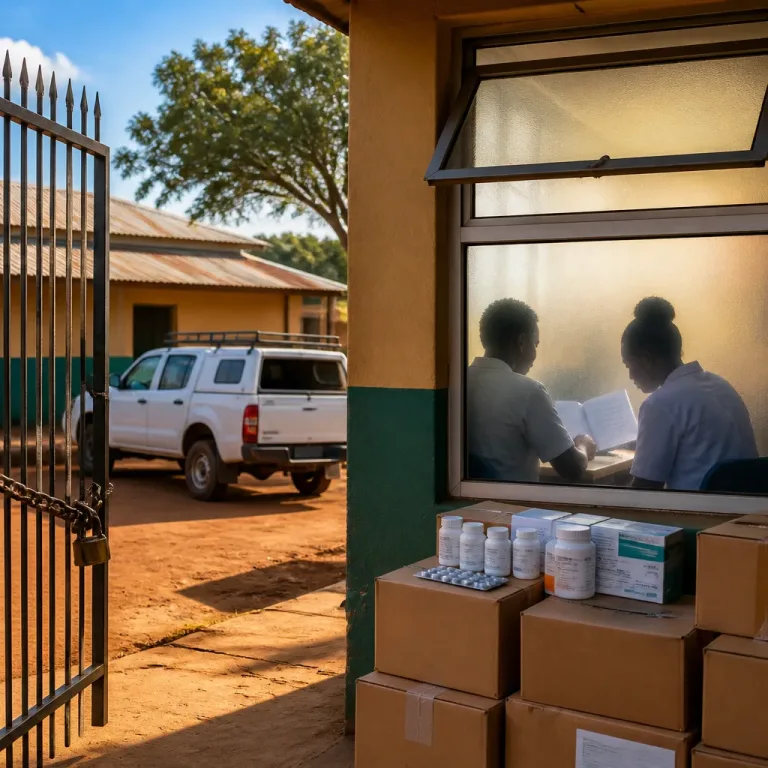
A US-based healthcare company has launched an editorial initiative that reframes the debate about medical innovation: the central challenge is not only developing new diagnostics and screening tools, but designing the systems that make them routine and effective for patients.
From discovery to routine care
Aton Health announced the executive editorial series this week, publishing essays and a white paper that interrogate why promising technologies often take years to become part of everyday practice. The collection examines the operational, clinical and systemic questions that determine whether innovations improve outcomes, rather than focusing on products or sales.
The work highlights several recurring themes, including the generation of robust evidence, the adoption of screening, the need for timely diagnostic resolution after abnormal screening results, and how standards of care evolve as specialty providers incorporate new tools.
"Healthcare has never lacked innovation. Our greatest challenge has always been helping innovation become routine care," said Tom Sanders, CEO and co-founder of Aton Health.
Why the emphasis on diagnostic pathways matters
One essay in the series, titled "What Screening Really Starts," draws attention to a critical gap: increasing access to screening does not automatically translate into better outcomes unless every abnormal result is followed by prompt diagnostic assessment and management. This consideration becomes more pressing as non‑invasive and multi‑cancer early detection technologies emerge.
Operational barriers that can delay or prevent diagnostic resolution include referral bottlenecks, limited specialist capacity, fragmented patient follow‑up systems and uneven uptake of evidence‑based pathways. The editorial collection argues these systemic issues deserve as much attention as the technologies themselves.
Implications for South Africa
Although the essays are framed from an international perspective, the questions raised are directly relevant to South Africa’s health system. Public and private sectors contemplating new screening modalities must consider:
- how patients with abnormal results will access timely diagnostic services;
- who is responsible for coordinating follow‑up across primary, district and specialist levels;
- what evidence is required to change practice and update clinical guidelines.
Without clear operational plans, screening initiatives risk identifying disease but failing to close the loop to diagnosis and treatment — an outcome that can generate patient anxiety without improving survival or quality of life.
What the series proposes
The initiative prioritises questions about system design and evidence generation rather than promoting specific products. It seeks to:
- examine why promising innovations are slow to be adopted into routine care;
- highlight the role of specialty providers and guideline evolution in shaping standards of care;
- emphasise the importance of post‑screening pathways for patient outcomes.
| Focus area | Systemic issue |
|---|---|
| Screening adoption | Evidence requirements and access |
| Diagnostic resolution | Referral capacity and follow‑up coordination |
| Standards of care | Specialist practice and guideline updates |
For clinicians, policy makers and administrators, the series is a prompt to consider the practical steps that must accompany technical innovation — workforce planning, referral pathways, patient navigation and data systems that track results through to treatment.
Patients and the public should also be aware that screening is one component of a larger process. If you receive an abnormal screening result, it is important to pursue diagnostic follow‑up with a healthcare provider rather than assuming screening alone ensures a cure.
The editorial series does not prescribe a single solution, but reframes success in healthcare innovation as contingent on well‑designed systems that reliably connect discovery to improved patient outcomes.
Readers seeking personal advice about screening or diagnostic options should consult their clinician, local clinic or provincial health department rather than relying on descriptions of technologies alone.