The International Rescue Committee (IRC) has launched an emergency response focused on health, mental health and child protection after a powerful earthquake struck the Colombian departments of Chocó and Valle del Cauca, regions already facing acute humanitarian need.
Immediate response prioritises children and the most vulnerable
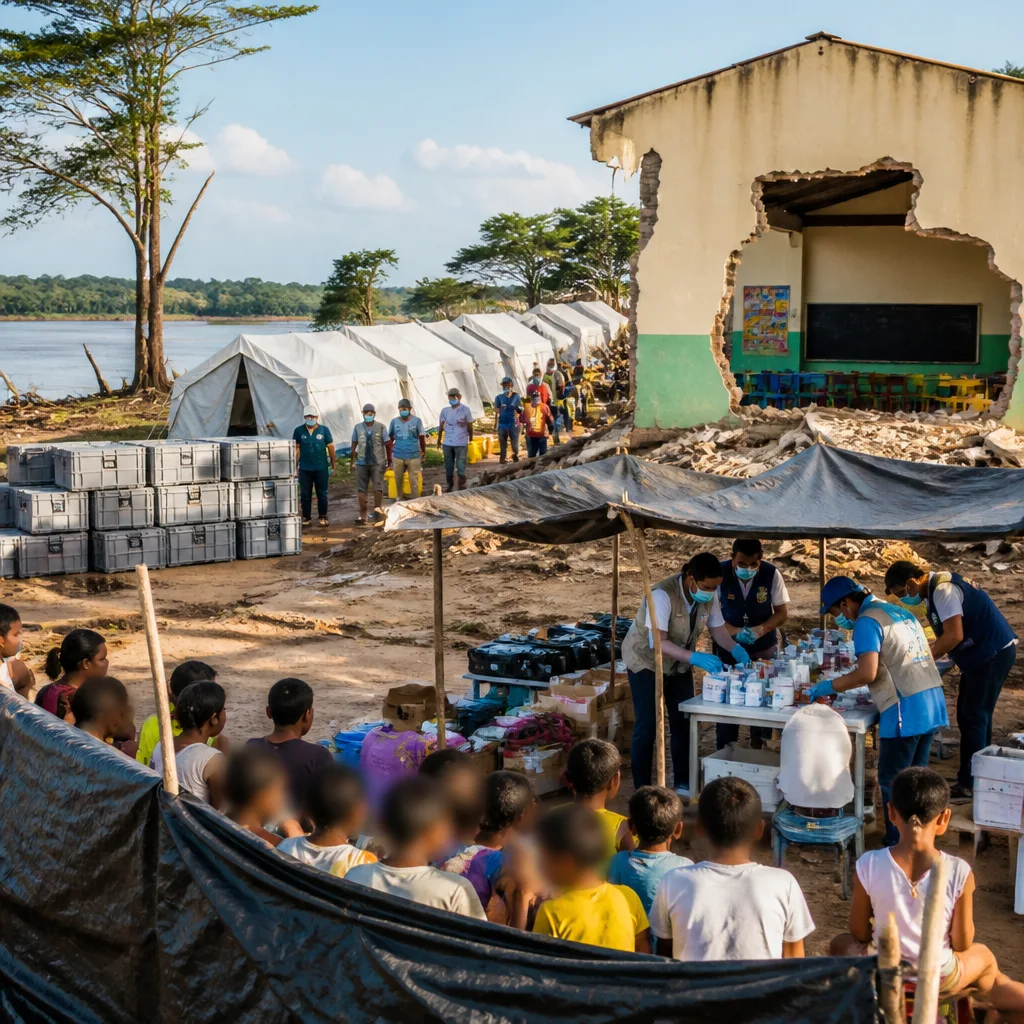
According to the IRC, more than 1.2 million people in Chocó and Valle del Cauca required humanitarian assistance before the earthquake. The organisation said the disaster has now destroyed thousands of homes, displaced families and damaged critical infrastructure, including schools.
The IRC's initial activities concentrate on the hardest-to-reach communities and those with the greatest vulnerability. Programmes already under way include mental health and psychosocial support, protection services for children and families, and education interventions. The agency said it plans to expand health services and cash assistance as needs escalate and access improves.
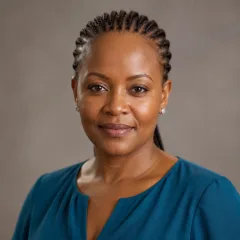
"Children were fighting for a future even before this earthquake; now their schools and homes are destroyed and their safety is even further out of reach," said Nicole Kast, IRC Country Director for Colombia, Venezuela, and Ecuador.
Scale of damage amplifies pre-existing crisis
The IRC highlighted how the earthquake compounds long‑standing challenges in the affected areas. Before the disaster, more than 20% of the population in the two departments already needed humanitarian assistance. The IRC also noted that 26% of people in the affected areas lived below the poverty line.
Education infrastructure suffered heavy losses at a time when the academic year was resuming. The IRC reported that more than 2000 schools have been damaged or destroyed, and estimated at least 300,000 children now face heightened risk of recruitment by armed groups or criminal organisations as schooling is disrupted and poverty deepens.
Geographical constraints are complicating relief efforts: some towns in Chocó are accessible only by boat or plane, and in Buenaventura damaged roads and other infrastructure are hampering the delivery of lifesaving aid, the IRC said.
| Key figures | Reported |
|---|---|
| People needing humanitarian assistance (pre-earthquake) | 1.2 million |
| Proportion of population needing assistance | more than 20% |
| People below poverty line | 26% |
| Schools damaged or destroyed | more than 2000 |
| Children at heightened risk | at least 300,000 |
Protection, mental health and information are priorities
The IRC said its response will prioritise children, people at risk of violence and those unable to meet basic needs. Practical activities include:
- mental health and psychosocial support for affected families and communities;
- education support to restore access to learning and protect children from recruitment and exploitation;
- protection programming to identify and support people at heightened risk; and
- dissemination of up-to-date information on available services to help communities navigate the crisis.
Responders warned that without rapid expansion of assistance, the combined effects of displacement, damaged schools and economic hardship could deepen protection threats for children and other vulnerable groups. The IRC called for scaled investment to match what it described as "the true severity of this moment for the communities struck by this disaster."
At this stage, the IRC is working with local partners to reach the most isolated communities. It said plans include scaling up health services and cash assistance as access permits and needs assessments are completed.
Humanitarian agencies have repeatedly emphasised that in disaster settings, early support for mental health and protection services reduces long-term trauma and helps prevent secondary harm such as recruitment or exploitation. Individuals concerned about mental health or safety after disasters are advised to seek local health services, community protection actors or humanitarian hotlines where available.
The IRC release provides an initial outline of the response; further details on operational scale-up and funding requirements were not provided in the statement.