
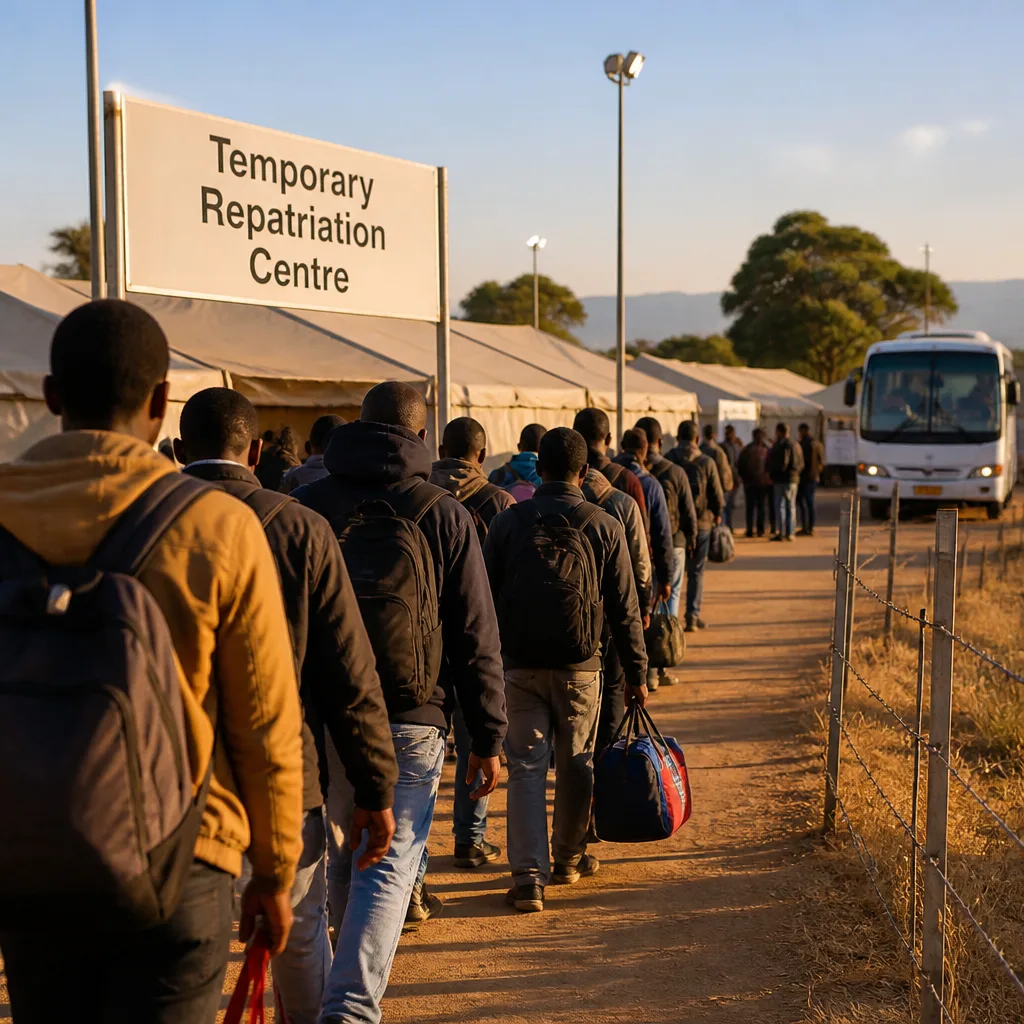
South Africa separates repatriation and deportation as distinct processes, but both form part of the state’s broader migration-management system. The government has established a Temporary Repatriation Processing Centre in Musina and continues to use facilities such as Lindela in Krugersdorp while relying on provisions of the Immigration Act to detain and remove people found to be in the country unlawfully.
Key figures and legal framework
The Justice Minister reported that 15,398 foreign nationals were deported between 1 April and 30 June 2026, a recent indication of intensified enforcement activity. Deportation procedures draw on Section 34 of the Immigration Act, which sets out powers for detention and removal where persons are judged to be unlawfully in the Republic.
"15,398 foreign nationals had been deported between April 1 and June 30, 2026," Justice Minister Mmamoloko Kubayi said.
The law requires notification of deportation, offers regulated detention procedures and allows for applications to extend detention where authorities deem it necessary. These steps are separate from arrangements that facilitate voluntary returns or organised repatriation in cooperation with migrants’ countries of origin.
What happens at Musina and Lindela
The Musina facility has been publicised as a processing centre for large-scale repatriation operations. It functions primarily as a point where groups can be screened, documented and prepared for organised returns. By contrast, Lindela Repatriation Centre in Krugersdorp operates as a holding facility where people awaiting deportation may be detained. The Department of Home Affairs says Lindela provides accommodation, meals and medical treatment where required.
Importantly, not everyone processed at Musina is necessarily deported. The centre has been used to manage voluntary or assisted returns alongside formal deportation actions. The legal status of a person — whether they are participating in a voluntary repatriation programme or are subject to removal under the Immigration Act — determines the next steps.
- Repatriation: Organised return to a person’s country of origin, often with cooperation from that country. May be voluntary or facilitated.
- Deportation: A formal enforcement action under the Immigration Act for people found to be unlawfully in the country; involves notification, possible detention and removal.
- Detention: Governed by statute and regulation; facilities like Lindela hold people pending removal, with provision for medical care and basic needs, according to Home Affairs.
Operational and legal consequences
The distinction between repatriation and deportation carries legal consequences for individuals. Those who volunteer to return under repatriation arrangements are generally not processed through the same enforcement channels as people placed in formal deportation proceedings. Deportation may carry follow-up administrative restrictions, including re-entry bans, depending on the circumstances and the findings of immigration authorities.
Detention extensions, appeals and legal representation are elements that can affect how long a person remains in state care before removal. The Immigration Act provides for applications to extend detention where the department believes it is necessary; this has attracted scrutiny from human-rights organisations in the past.
| Facility | Main role |
|---|---|
| Musina Temporary Repatriation Processing Centre | Mass processing, screening and coordinated returns |
| Lindela Repatriation Centre (Krugersdorp) | Holding centre for people awaiting formal deportation; provides accommodation and basic care |
What the public should know
Members of the public and migrants should note the following:
- Being processed at Musina does not automatically mean a person will be deported; outcomes depend on individual legal status and the nature of the operation.
- Deportation is a legal process under the Immigration Act and includes formal notification and possible detention before removal.
- Those detained have avenues within the law to seek extensions, legal review or representation; these processes affect timelines.
Details on the operation of the Musina centre, criteria used to determine whether a person is a candidate for voluntary repatriation or formal deportation, and the role of diplomatic channels in arranging returns remain subject to official procedures and ongoing reporting by the relevant departments.
This account is based on government statements and recent reporting of enforcement numbers; some operational practices and outcomes are still developing and may be clarified as departments publish further information.














