HLUHLUWE — Rangers at Hluhluwe-iMfolozi Park in northern KwaZulu‑Natal are deploying a suite of protection measures for rhinos — from dehorning and GPS tracking to drone and helicopter patrols — as conservationists warn that new criminal dynamics, mounting environmental pressures and the high cost of protection endanger the species’ long‑term survival.
On the ground: what park teams are doing
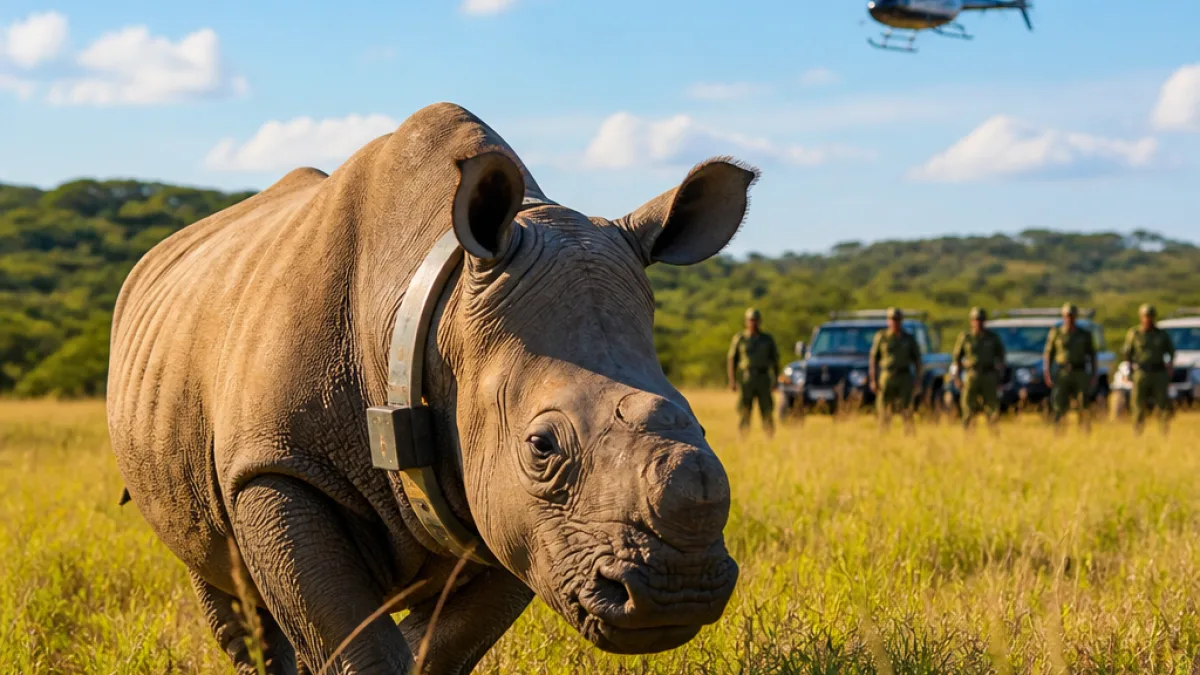
Photographs taken at the park in August show park officers taking part in a dehorning operation, fitting rhinos with tracking devices and conducting aerial and drone surveillance. These steps form part of standard anti‑poaching responses used in many South African reserves to reduce the incentive for illegal horn seizures and to improve monitoring of individual animals.
- Dehorning — removes the horn to reduce poaching risk.
- GPS tracking devices — allow rangers to follow rhino movements and rapid‑response teams to be dispatched.
- Drones and helicopters — provide aerial coverage of vast areas that are difficult to patrol on foot or by vehicle.
According to reporting by Xinhua, a conservation expert said South Africa has made encouraging progress in reducing rhino poaching, but the situation remains fragile because of evolving criminal networks and other pressures.
Threats beyond the poaching guns
While poaching remains central to rhino conservation conversations, the expert highlighted other compounding challenges. Shifting criminal tactics means that law‑enforcement and park security must constantly adapt. At the same time, environmental pressures — including habitat change and resource constraints — limit how effectively parks can support growing animal populations.
Park management and conservation bodies also face the burden of rising operational costs. Anti‑poaching technology, aerial support and veterinary interventions such as immobilising and dehorning rhino require significant funding and skilled personnel.
Hluhluwe‑iMfolozi’s role in KwaZulu‑Natal conservation
Hluhluwe‑iMfolozi is one of South Africa’s oldest conservation areas and has long been central to the province’s work to protect megafauna. The pictured operations reflect a concentrated effort in the park to use both traditional and modern methods to protect rhino populations.
| Measure | Purpose |
|---|---|
| Dehorning | Reduces immediate poaching incentive, buys time for longer‑term protection |
| Tracking devices | Enables monitoring and faster anti‑poaching responses |
| Drone & helicopter patrols | Extends surveillance across difficult terrain |
Conservationists say these measures are necessary but not sufficient. Long‑term survival depends on sustained funding, co‑operation with law enforcement, community engagement and international efforts to curb demand for rhino horn.
World Rhino Day context
World Rhino Day, observed annually on 22 September, is used by conservation groups to draw attention to rhino protection globally. The recent reporting came ahead of the day and emphasised both the progress made and the continuing vulnerabilities.
Local conservation bodies and parks often use the occasion to highlight successes, solicit funding and showcase innovations — from field veterinary work to new surveillance technology — that aim to keep rhinos safe.
For communities and visitors around Hluhluwe, the images of park staff working with animals and equipment provide a reminder that protecting wildlife is an active, often costly undertaking requiring skilled teams and co‑ordinated resources across provincial and national agencies.
As rangers adapt to changing criminal behaviour and environmental constraints, the future of rhino conservation in KZN will depend on sustained investment, intelligence‑led policing and continued public support.