
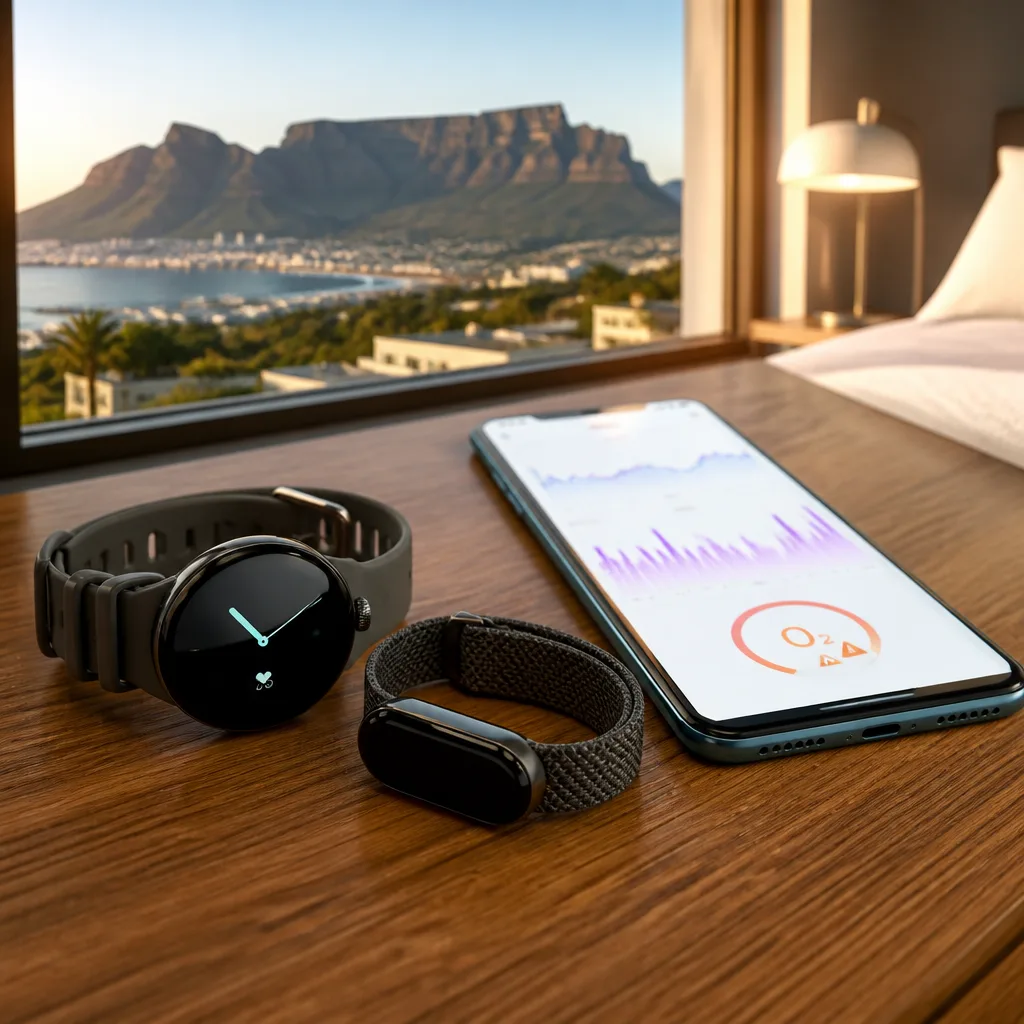
Google has unveiled Health Guardian, a collection of health and safety tools designed to run on qualifying Pixel Watches and Fitbit Air devices. The suite uses background physiological data and artificial intelligence to generate trend insights for insulin resistance, blood‑pressure trends and sleep breathing quality, and includes a new emergency breathing detection function intended to identify dangerous drops in oxygen saturation.
What the features do
The tools analyse continuously collected heart‑rate, motion and other sensor data over days to weeks to detect shifts in metabolic, cardiovascular and respiratory patterns. Google says the insulin‑related feature assesses where metabolic health shifts have occurred so users can consider changes to nutrition, sleep or activity. The company emphasised the feature is not designed to diagnose or manage diabetes.
"The feature is not intended to diagnose or manage diabetes."
For blood pressure, Google reports its model passively estimates blood‑pressure trends over time from pulse and motion patterns rather than providing single cuff‑style measurements. The sleep breathing tool aims to identify longer‑term changes in breathing during sleep that could affect daytime energy and recovery.
Emergency breathing detection and rollout
Among the safety additions is a breathing emergency detection capability intended to recognise when a wearer has a persistent or critical fall in oxygen saturation — scenarios Google lists include accidental drug overdose, choking or severe pneumonia. This emergency detection will initially be made available on the Pixel Watch in select European countries; Google has not provided a global timetable for wider availability.
Data and training
Google described the insulin feature as powered by an AI model trained on more than one trillion minutes of data from about five million opted‑in users. The blood‑pressure trends model was trained on a foundation model called WavesFM, trained on billions of minutes of raw heart and movement data, according to the announcement.
| Feature | Primary function | Notes |
|---|---|---|
| Insulin resistance trends | Detects metabolic shifts over weeks | Not for diabetes diagnosis |
| Blood‑pressure trends | Estimates long‑term patterns | Uses pulse and motion; not a cuff |
| Sleep breathing quality | Monitors night‑time breathing patterns | Designed for insight, not clinical diagnosis |
| Breathing emergency detection | Detects critical oxygen drops | Initially on Pixel Watch in select European countries |
Implications for users and health services
These developments illustrate how consumer wearables are increasingly offering continuous, population‑scale health signals. For individuals, trend insights may prompt earlier conversations with primary care providers or lifestyle adjustments. For clinicians and health systems, such data could support triage and early intervention if integrated appropriately — but also risks misinterpretation if users treat trend alerts as formal diagnoses.
Health professionals routinely caution that device‑derived insights are best used as prompts to seek clinical assessment rather than to self‑manage serious conditions. People concerned about metabolic health, blood pressure or sleep‑related breathing issues should consult their doctor or local clinic for validated tests and tailored care.
Privacy, regulation and oversight
The scope of data used to train these models raises questions about consent, data governance and oversight. Google highlighted that some models were trained on data from users who had opted in; how those datasets are governed and how models perform across diverse populations are matters regulators and health bodies examine when consumer devices edge toward clinical roles.
- Users should view Health Guardian insights as informational and consult healthcare professionals for diagnosis or treatment.
- Clinicians may need to prepare for patients presenting device‑generated trend data during consultations.
- Regulators will likely assess the accuracy, equity and safety of AI models used in consumer health products.
Google's announcement signals continued convergence between consumer technology and health monitoring. As these tools roll out, South African users and clinicians will need to weigh their potential benefits against limits in validation, regulatory status and the need for clinical confirmation of any concerning findings.
If you are worried about symptoms related to breathing, blood pressure or metabolic health, contact your nearest clinic or health professional rather than relying solely on wearable device data.











