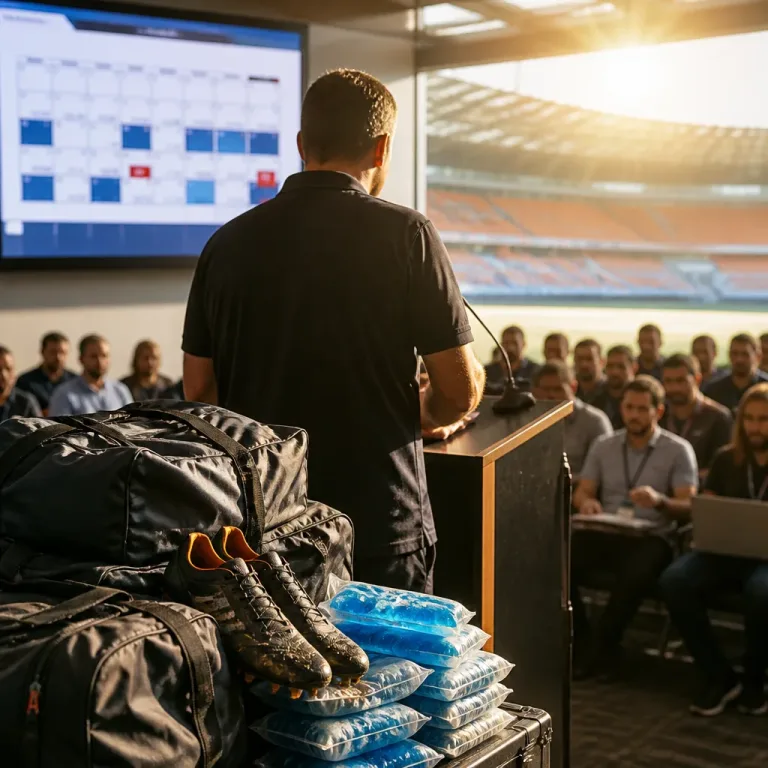
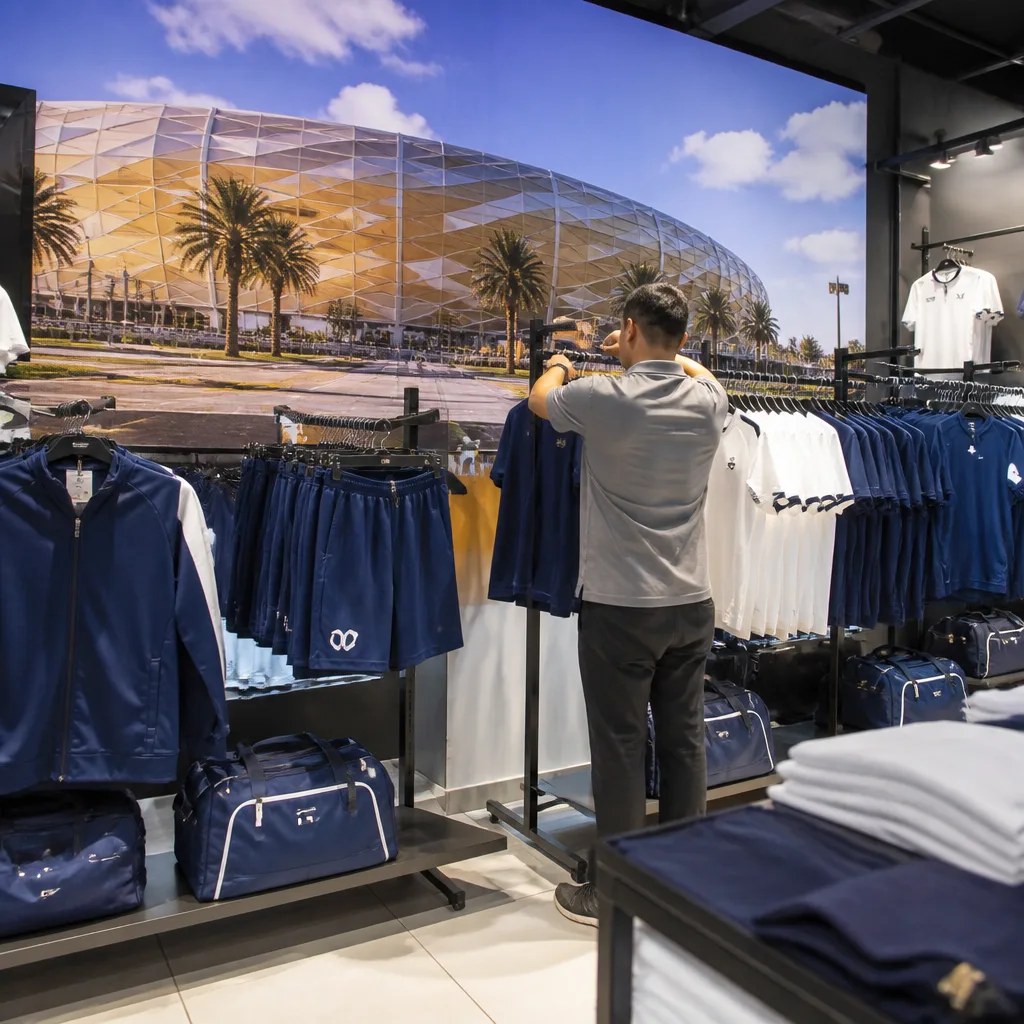
New Balance will supply training, match-day and travel kits to Abu Dhabi football club Al Jazira under a three-year agreement that highlights how Gulf sports are evolving into strategic commercial platforms for international brands.
Brands looking beyond shirt logos
Once limited to simple logo placements, Gulf sports sponsorships are increasingly framed around culture, influence and community outreach as much as sporting visibility. The New Balance deal covers the club’s official apparel and forms part of a broader regional strategy by the American sportswear company.
Al Jazira, which plays at the 37,000-seat Mohamed Bin Zayed Stadium, has a long history of partnerships with international manufacturers. According to the reporting, brands such as Adidas, Puma, Kappa and Nike have supplied Al Jazira kits since the 1970s, demonstrating early recognition by global sports companies of the region’s potential.
“Al Jazira Club has an incredible legacy, an unwavering commitment to developing homegrown talent and a deep connection with its community,” said Stuart Henwood, senior director and general manager at New Balance Middle East, Africa and India.
For New Balance the agreement is not only about outfitting a first-team squad. Its recent activity in the region includes being the official kit partner of Qatar’s Al Sadd SC, partnering the Doha Marathon by Ooredoo in 2025, and operating a New Balance Run Club across several Gulf cities. The company has previously supplied the strip for Saudi club Al Nassr during the 2017–18 season.
What the trend means for brands and sport
The Gulf’s clubs and competitions now offer a mix of local loyalty and international reach, making them attractive to firms seeking both commercial returns and cultural engagement. The New Balance announcement illustrates three recurring motives driving deals in the region:
- Market access: Established clubs with passionate local followings help brands build organic regional support.
- Grassroots development: Partnerships can be framed as investments in talent pathways and community programmes.
- Brand-building: High‑profile club partnerships and event alliances increase visibility across multiple Gulf markets.
New Balance’s regional presence extends beyond stadium apparel into community running initiatives and race sponsorships, signalling a preference for diversified engagement rather than single-ticket visibility.
Regional profile and consequences
Gulf states have steadily increased investment in sport — from club ownership to staging major events — and international brands have followed. For clubs such as Al Jazira the commercial input of global manufacturers supports visibility, infrastructure and talent development. For sponsors, the Gulf offers concentrated audiences and state-backed sports ambitions that can accelerate brand recognition.
However, these relationships also reflect shifting commercial priorities for global firms: deals are no longer purely transactional. They increasingly include community programming, local talent development and integrated marketing across several markets.
| Item | Example from reporting |
|---|---|
| New Balance regional deals | Al Jazira (three years), Al Sadd (official kit partner), Doha Marathon (2025) |
| Stadium capacity | Mohamed Bin Zayed Stadium — 37,000 seats |
| Previous Al Jazira kit suppliers | Adidas, Puma, Kappa, Nike |
The pattern has implications beyond the Gulf: it illustrates how brands adapt to new growth markets and how sport functions as a vehicle for soft power and corporate diplomacy. For South African readers, the development is useful context for understanding where international sports marketing budgets are flowing and the evolving shape of global club partnerships.
As Gulf clubs continue to professionalise and international brands deepen their engagement, expect further deals that blend product supply with community initiatives and multi-market campaigns — a progression from traditional shirt sponsorships to integrated regional partnerships.