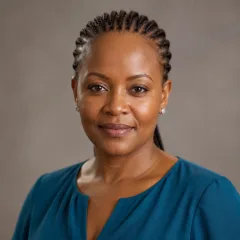
Dr Tlaleng Mofokeng formally ended her six‑year mandate as UN Special Rapporteur on the right to health on 31 July, releasing a final report that frames attacks on reproductive capacity in conflict zones as a public health crisis.
Report links reproductive harm in conflict to wider health targets
The final document, published under the heading
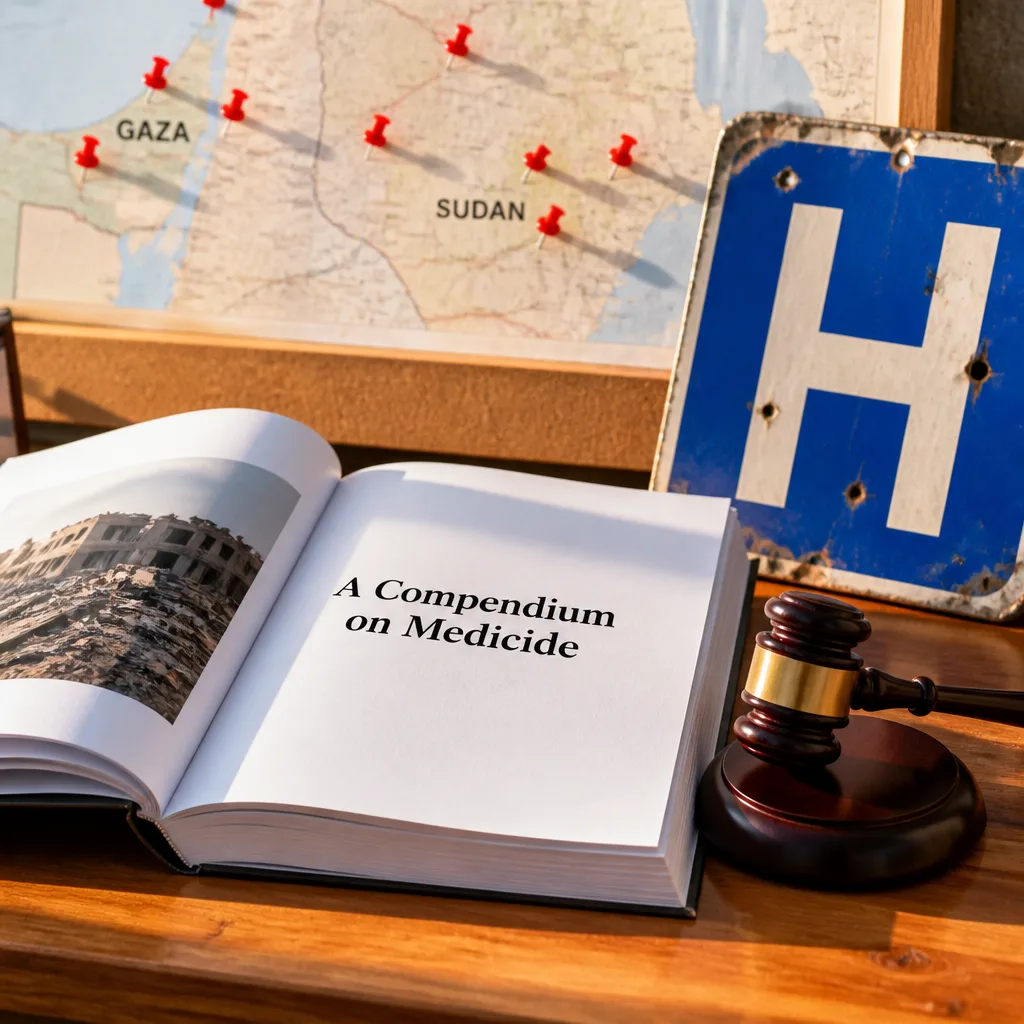
"A Compendium on Medicide: A Sub-text to Reproductive Genocide – A Public Health Crisis", examines what Dr Mofokeng identifies as deliberate actions in conflict that obstruct people’s ability to have children and to receive healthcare. According to reporting on the document, the report focuses on the situations in Gaza and Sudan and makes a series of public‑health and human‑rights demands.
Reporting said the report calls for:
- an immediate ceasefire and protection of medical personnel and facilities in Sudan;
- an end to attacks on hospitals, health workers and patients in Gaza, which the report describes as undermining reproductive capacity; and
- accountability for those responsible for actions that the report characterises as obstructing health services and reproductive rights.
Local controversy and institutional responses
The day before her mandate ended, a local newspaper published coverage critical of Dr Mofokeng, drawing attention to previous complaints and disciplinary findings related to her conduct. The reporting referenced a complaint lodged by UN Watch, and earlier action by the South African Zionist Federation (SAZF) that led to a finding by the Health Professions Council of South Africa (HPCSA).
According to reporting, the SAZF issued a press release headlined "HPCSA Sanctions UN Special Rapporteur Dr Tlaleng Mofokeng for Unprofessional Conduct", which was amplified by other outlets. The origin of those proceedings and their jurisdiction were contested: reporting notes arguments that the HPCSA lacked jurisdiction because Dr Mofokeng was not practising as a medical doctor while serving in the UN role and that she enjoyed UN immunity during parts of her mandate.
The reporting also states that Dr Mofokeng is challenging the HPCSA ruling in the High Court.
Political context and accusations of bias
Coverage of the final report has been framed by political debate. Reporting said some critics linked her participation in domestic politics — accepting a nomination as a mayoral candidate for the Economic Freedom Fighters in Johannesburg — to questions about her impartiality as a UN mandate holder. UN Watch, described in reporting as having lodged a complaint, and allied groups were cited as sources of those challenges.
Supporters and observers quoted in reporting have said the focus on Dr Mofokeng’s private or political activities distracts from the substance of her human‑rights work. The same reporting contends that her investigations into Gaza and Sudan are sustained and centre on broader concerns about access to healthcare and protection of medical personnel in armed conflict.
Implications for health advocacy and professional regulation
The episode highlights tensions between international human‑rights advocacy and domestic professional regulation. It also raises questions about how professional bodies should engage with members who take on international mandates or participate in political life. The reporting indicates this remains an unresolved legal and ethical area, now playing out in the High Court.
As discussions continue, public health consequences identified in the final report underscore the importance of protecting health infrastructure and workers in conflict settings. Readers are reminded that health and legal debates of this kind can have direct effects on patients and health services; anyone with health concerns should consult their doctor, clinic or official health services rather than rely solely on media coverage.