
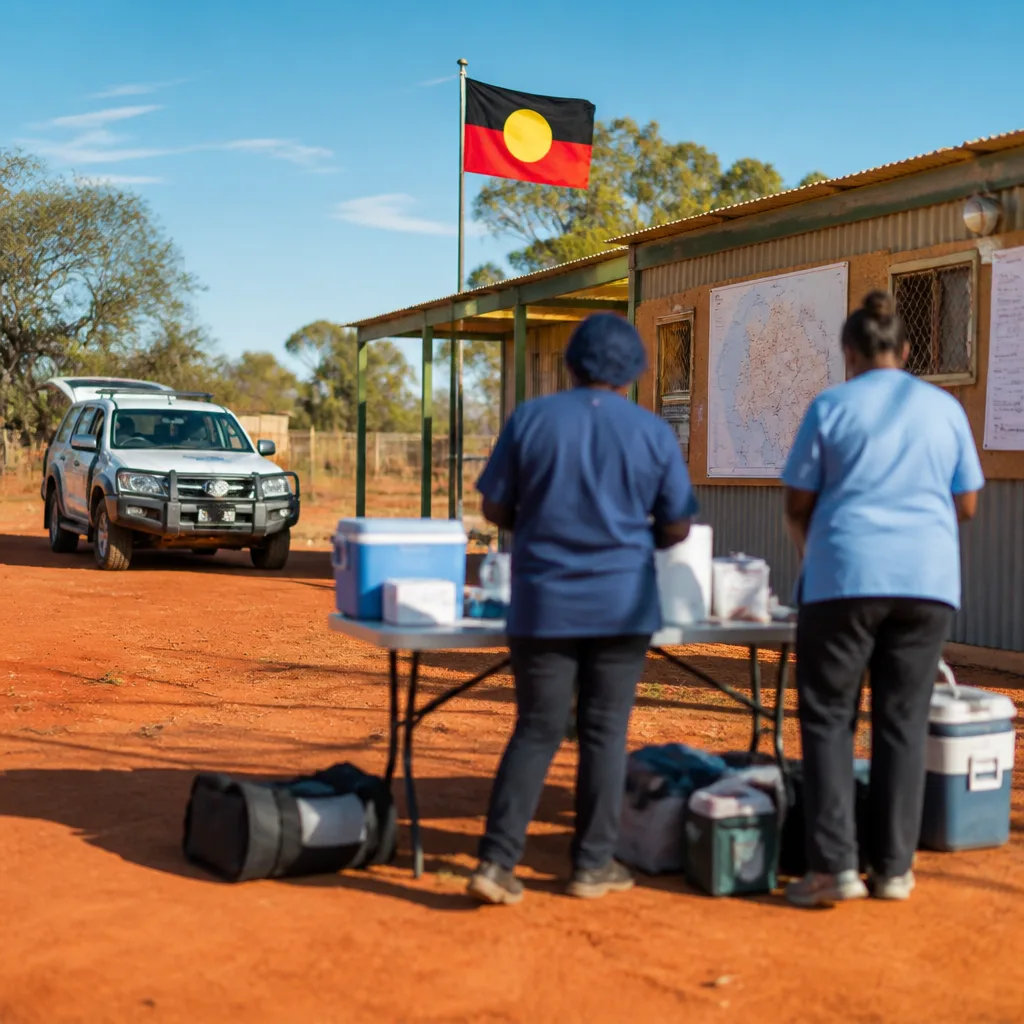
Australia's chief health adviser declared diphtheria a disease of national significance on 22 May after what officials describe as the country's worst outbreak in about seven decades. The formal declaration is intended to improve coordination of the public health response as infections rose sharply in 2024.
Outbreak concentrated in remote Indigenous communities
Health authorities report the outbreak has disproportionately affected Aboriginal Australians living in remote areas. Around 95% of recorded cases have been among Indigenous people in the Northern Territory (NT) and Western Australia (WA), according to the public statement referenced in reporting on the event.
By late May, the national tally had surpassed 230 confirmed infections, with one death among those cases. Numbers continued to rise: by early August, more than 500 confirmed illnesses had been reported across the country.
| Time | Approximate confirmed cases |
|---|---|
| Late May 2024 | >230 |
| Early August 2024 | >500 |
Transmission, disease profile and concerns
Diphtheria is a bacterial infection that typically presents as a throat infection or as ulcer‑like skin lesions. It spreads through respiratory droplets and direct contact with infected sores, and can be fatal if untreated. Vaccination programmes introduced in many countries from the 1940s onwards reduced diphtheria to rare levels in much of the world, making this resurgence notable to public health authorities.
Officials have emphasised that the strain involved in the current outbreak is not entirely new to Australia. Health authorities identified a similar variant in Queensland in 2022, when about 25 cases were reported in that state. After that spike, the strain appeared to disappear from surveillance records.
"And then it just seemed to disappear."
The chief health officer of the Northern Territory, Paul Burgess, said the precise origins of the 2024 outbreak and the reasons it spread so heavily among Indigenous communities remain unclear. He also noted the NT has recorded more than half of the country's total caseload for this event.
Response and implications
Declaring diphtheria a disease of national significance allows federal and state health bodies to better synchronise surveillance, testing, clinical care and community outreach. That co‑ordination aims to speed diagnosis and treatment, increase vaccination where needed, and limit further transmission.
Public health responses in remote communities face particular challenges, including logistical barriers to delivering vaccines, limited local health infrastructure, and socio‑economic factors that can increase vulnerability to infectious diseases. The concentration of cases among Indigenous people has raised concerns about equity of access to prevention and care.
- Vaccination remains the primary prevention tool; authorities commonly review immunisation coverage where outbreaks occur.
- Early diagnosis and prompt antibiotic and antitoxin treatment can be lifesaving; people with symptoms should seek immediate care.
- Enhanced surveillance and contact tracing are central to containing spread, especially in remote settings.
For readers: if you or someone in your household develops a sore throat, swollen neck, difficulty breathing, or open skin lesions with pus, consult a clinic or doctor promptly rather than self‑diagnose. Health authorities use laboratory testing to confirm diphtheria, and timely clinical management reduces severe outcomes.
The Australian experience underlines how diseases once thought controlled can re‑emerge when vulnerabilities exist in parts of a population. South African health services and communities — particularly those in remote or under‑resourced areas — may draw lessons about surveillance, vaccine coverage and targeted outreach from this international outbreak.
Reporting on this outbreak cited public statements by Australia’s Chief Medical Officer and comments from the Northern Territory’s chief health officer.











