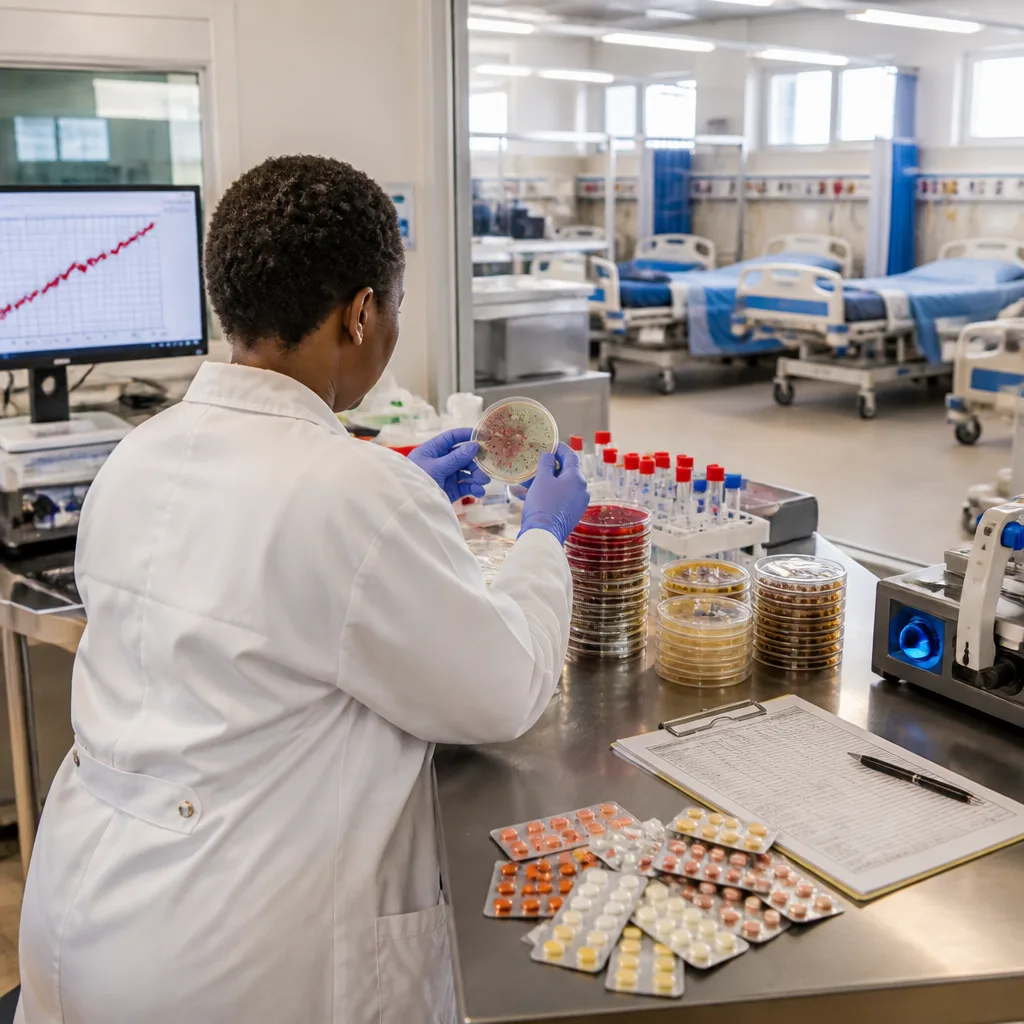
Antibiotic resistance is eroding the effectiveness of drugs that underpin modern medicine, with recent global surveillance figures showing alarming increases in resistant infections and large human cost.
Scope of the problem
World Health Organization–linked analysis cited in a recent report shows that bacterial antimicrobial resistance (AMR) was associated with more than 4.7 million deaths in 2021. Surveillance data also indicate that, by 2023, around one in six laboratory-confirmed bacterial infections related to common conditions were resistant to at least one antibiotic.
Resistance rose across many pathogen–antibiotic pairings: the report found increases in resistance for more than 40% of monitored combinations between 2018 and 2023, with annual increases in those combinations averaging roughly 5%–15%.
Drivers and consequences
The growth of AMR is driven by multiple, interconnected factors. These include inappropriate antibiotic use in human medicine, limited rapid diagnostic capacity to distinguish bacterial from non‑bacterial illness, insufficient investment in new antibiotics and diagnostics, and misuse in agriculture. The cumulative effect is that once-reliable medicines are becoming ineffective against specific bacterial strains.
The consequences are broad: treatments become longer and more complex, hospital stays extend, health systems face higher costs, and routine procedures that rely on effective prophylaxis and treatment — such as caesarean sections, cancer chemotherapy and organ transplants — become riskier.
What the data show
Key figures from the recent body of work include:
- 4.7 million deaths associated with bacterial AMR in 2021 (WHO‑linked analysis).
- About 1 in 6 laboratory‑confirmed common bacterial infections were resistant to antibiotics in 2023.
- Resistance increased in more than 40% of monitored pathogen–antibiotic combinations between 2018 and 2023, with average annual rises about 5%–15%.
Commercial dynamics reflect the scale of the challenge: the global market related to antibiotic resistance was estimated at USD8.9 billion in 2025 and is projected to reach USD16.55 billion by 2035, representing continued investment and market activity in diagnostics, therapeutics and related technologies.
| Indicator | Value |
|---|---|
| Deaths associated with bacterial AMR (2021) | 4.7 million |
| Proportion of resistant common infections (2023) | 1 in 6 |
| Global AMR market (2025) | USD8.9 billion |
| Projected market (2035) | USD16.55 billion |
Policy and clinical responses
Experts and global health bodies stress that no single intervention will solve AMR. Instead, a combination of strategies is required:
- strengthening antibiotic stewardship in hospitals and primary care to reduce inappropriate prescriptions;
- investing in rapid diagnostics so clinicians can target antibiotics appropriately;
- boosting research into new antibiotics, alternative treatments and vaccines;
- improving infection prevention and control in health facilities and communities; and
- coordinating action across human health, veterinary and agricultural sectors.
Strengthened surveillance is also essential. The recent increases in resistance among monitored pathogen–drug pairs underline the need for comprehensive, timely data that governments and clinicians can use to adapt guidelines and procurement.
What this means for patients
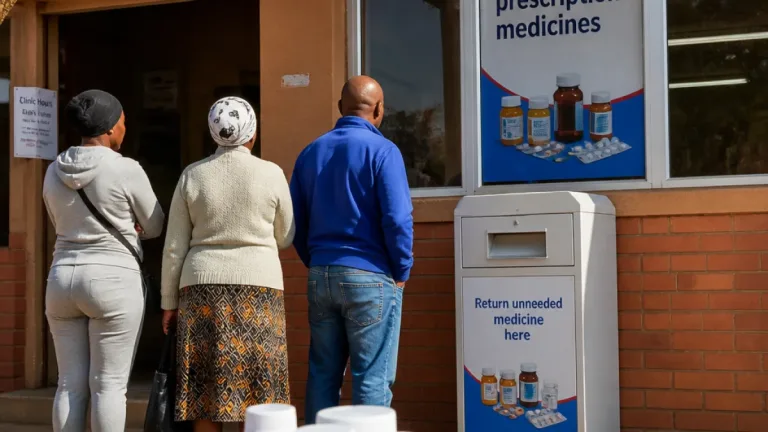
For individual patients, the rise of AMR can mean fewer effective treatment options, longer illness and higher risk of complications. Clinicians will increasingly rely on stewardship protocols and diagnostics to guide therapy. Patients are encouraged to follow prescriptions exactly, never use antibiotics without a clinician’s guidance and return unused medication to a pharmacy or clinic for safe disposal.
Medicines are most effective when used correctly; if you have concerns about an infection or antibiotics, consult your clinic or doctor rather than self‑medicating.