
President Donald Trump said Saturday he turned down an Iranian proposal to reopen the Strait of Hormuz, rejecting terms Tehran had conveyed through mediators that Iranian officials said could restore shipping within days.
President: 'I rejected their deal'
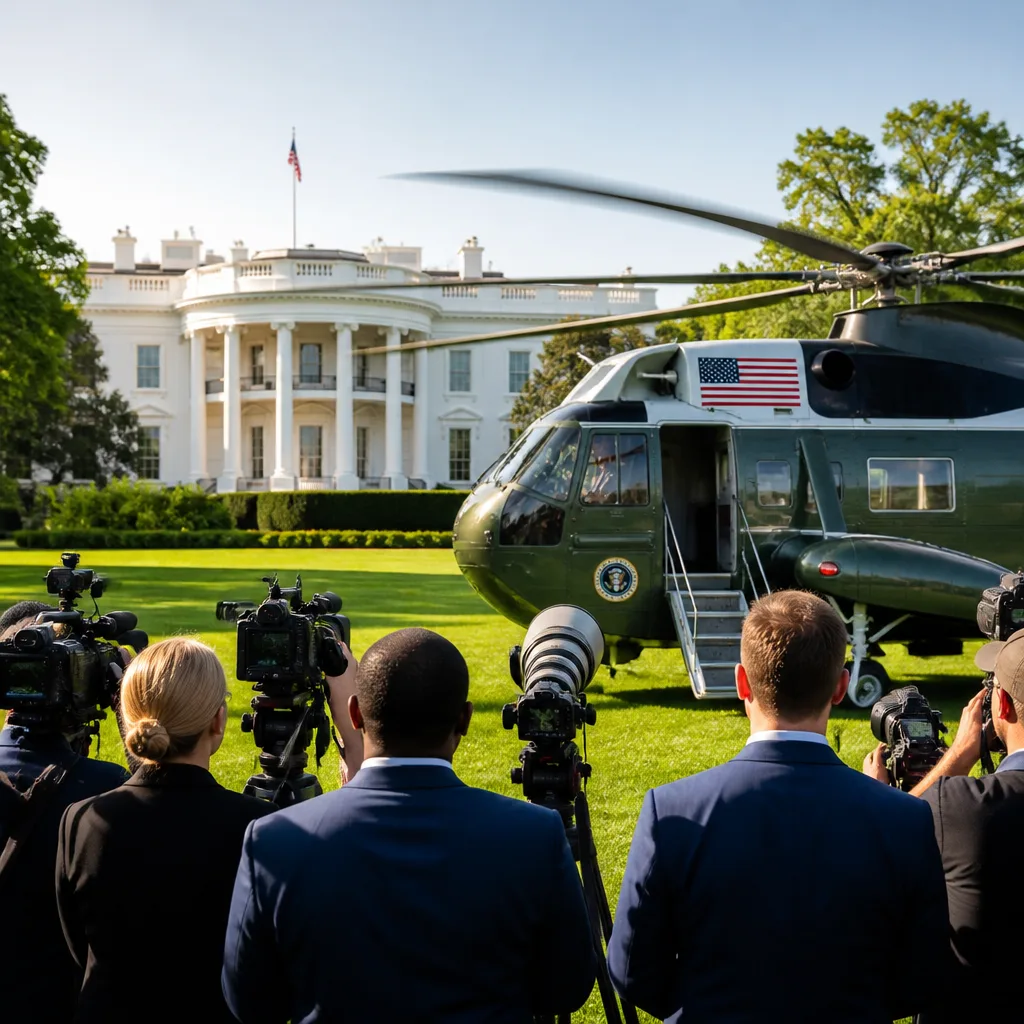
As he boarded Marine One on the White House lawn, the president told reporters he had declined what he described as a plan from Iran to immediately restore passage through the strategic waterway. "
They want to make a deal where they open the strait immediately because they're losing so badly,"Trump said, adding that Tehran was suffering financially because of restricted revenues tied to the strait.
The Wall Street Journal first reported the administration had rejected the Iranian offer. The disclosure follows indirect talks between the two countries held on the sidelines of this week’s United Nations General Assembly session in New York.
What Iran said
Iranian Foreign Minister Abbas Araghchi told reporters on Friday that whether the strait could be reopened "
If the necessary conditions are met, the strait can be reopened and normal maritime passage restored within seven days,"and that a "concrete seven-day plan" had been conveyed to the U.S. through mediator Qatar.
Araghchi said the actions required of the United States in the proposal were commitments that had been agreed to in a June memorandum of understanding that outlined a temporary cease-fire. That June agreement collapsed within days after fresh strikes were exchanged, Araghchi said.
Sticking points and context
Araghchi said one condition of Iran’s plan was U.S. acceptance of a maritime transit route through the Strait of Hormuz that Iran and Oman had agreed upon. The Iranian foreign minister told reporters the choice to proceed "rests with the United States."
A U.S. official said Friday the administration was having "positive and construct" — an assessment left incomplete in the official statement released publicly.
- June: A memorandum of understanding outlining a temporary cease-fire was signed but collapsed within days.
- This week: Indirect talks between U.S. and Iranian representatives took place on the margins of the U.N. General Assembly in New York.
- Friday: Iran said a seven-day plan to reopen the strait was ready and had been relayed through Qatar.
- Saturday: President Trump said he rejected the Iranian proposal.
| Item | Detail |
|---|---|
| Agreement referenced | June memorandum of understanding (temporary cease-fire) |
| Iran’s timeline | Reopen strait within seven days if conditions met |
| U.S. action | President says he rejected the proposal |
Implications
The Strait of Hormuz is one of the world’s most critical maritime chokepoints for oil and commercial shipping; any change in its status carries potential ramifications for global energy markets and international trade. Tehran’s suggestion that normal passage could resume within a week if Washington accepted certain conditions signals a willingness to use the waterway as leverage in broader negotiations.
Washington’s public rejection of the plan, as described by the president, underscores continuing tensions and the complex interplay between diplomatic outreach — in this case, indirect conversations mediated by Qatar — and the administration’s stated security posture and economic pressure campaign.
Officials have previously described the June memorandum of understanding as setting out steps for a short-term cease-fire; according to Iranian remarks, at least some elements of the present proposal return to that earlier framework. The June agreement, however, unravelled days after it was signed, and renewed strikes followed.
At the time of reporting, neither the White House nor Iran’s foreign ministry had published a full text of the Qatar-mediated proposal, and U.S. officials have not provided detailed public comment beyond the president’s statement and a partially quoted assessment from an administration official.
How diplomatic channels proceed after the president’s public rejection — and whether mediators or other governments will seek to bridge the differences over conditions for reopening the strait — remains to be seen.

















