
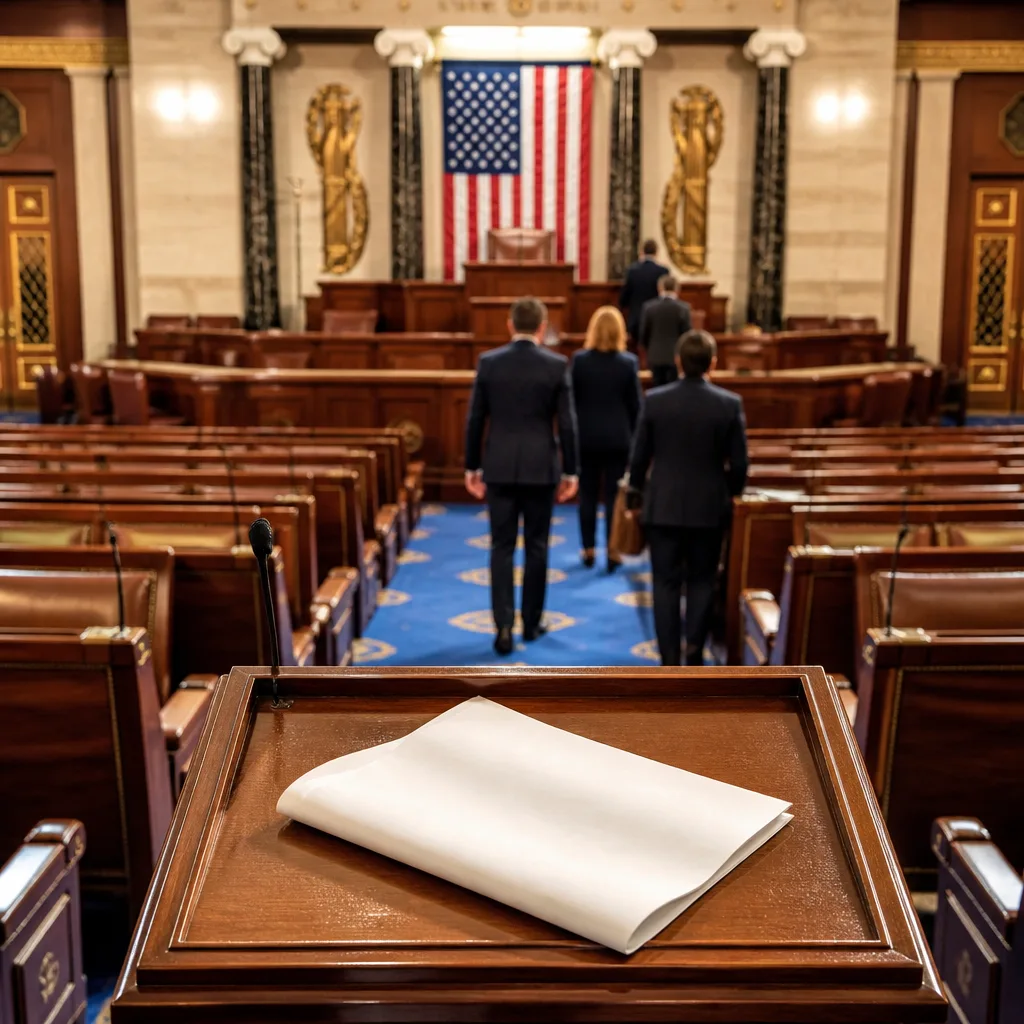
WASHINGTON — The U.S. House of Representatives on Tuesday approved a war powers resolution intended to stop President Donald Trump from continuing military operations against Iran without fresh congressional authorization, voting 220-204 in a measure that is all but certain to be rejected by the White House.
The tally mirrored earlier efforts this year, with Democrats united in support and a small number of Republicans crossing party lines to join them. The vote marks the third time the House has acted to use its constitutional authority to constrain the executive branch’s conduct of the conflict in the Middle East.
What the vote means now
Because President Trump is expected to veto the resolution, the measure is unlikely to become law. Still, the action underscores a sustained effort by lawmakers to reassert congressional oversight over long-running U.S. military engagements and highlights the political salience of the conflict as members prepare to campaign ahead of the midterm elections.
The war, launched Feb. 28, has persisted for nearly seven months with intermittent missile strikes and counterstrikes that lawmakers say have disrupted regional stability and global oil flows. With fewer than 50 days until the midterm elections, the House vote is likely the chamber’s last formal attempt to act on the conflict before members leave Washington to campaign.
Voices from the floor
“Remember when Donald Trump said that this war would last just a few weeks?”
Rep. Seth Moulton, D-Mass., who served as a Marine in Iraq and pushed the resolution forward, criticized the administration’s handling of the conflict and said Congress must ask difficult constitutional questions rather than yield to the executive branch.
On the other side, Republicans such as Rep. Brian Mast of Florida, who chairs the House Foreign Affairs Committee, argued that U.S. military posture in the region remains necessary to counter threats from Tehran. Mast framed the president’s actions as an effort to end prolonged U.S. engagements overseas.
Political and policy implications
The vote places lawmakers between constitutional responsibilities and electoral politics. Key implications include:
- Likely veto: The president has significant authority to reject the resolution, meaning the outcome will probably be a symbolic rebuke rather than a legal curtailment of military operations.
- Midterm backdrop: The conflict and economic effects, notably higher fuel prices tied to disruptions in the region, are shaping campaign narratives in districts nationwide.
- War powers debate: The vote contributes to a continuing congressional effort to clarify or reclaim war-declaring authorities from the executive branch.
House leaders said the timing of the vote reflects urgency about prolonged military engagements. Opponents countered that withdrawing resources could embolden adversaries and harm U.S. security interests.
Vote details and context
| Item | Detail |
|---|---|
| House vote | 220-204 |
| Timing of conflict | Launched Feb. 28; nearly seven months ongoing |
| Legislative outcome | Resolution faces an expected presidential veto |
Lawmakers who supported the resolution said the vote was necessary to bring the Constitution’s allocation of war powers into play. Critics said the measure risked undermining U.S. deterrence and complicating an already volatile situation in the region.
As members depart Washington to focus on campaigning, the dispute over how and when the United States should use military force overseas is likely to remain a central issue in the run-up to the midterm elections, shaping debates on national security, executive authority and fiscal priorities.

















