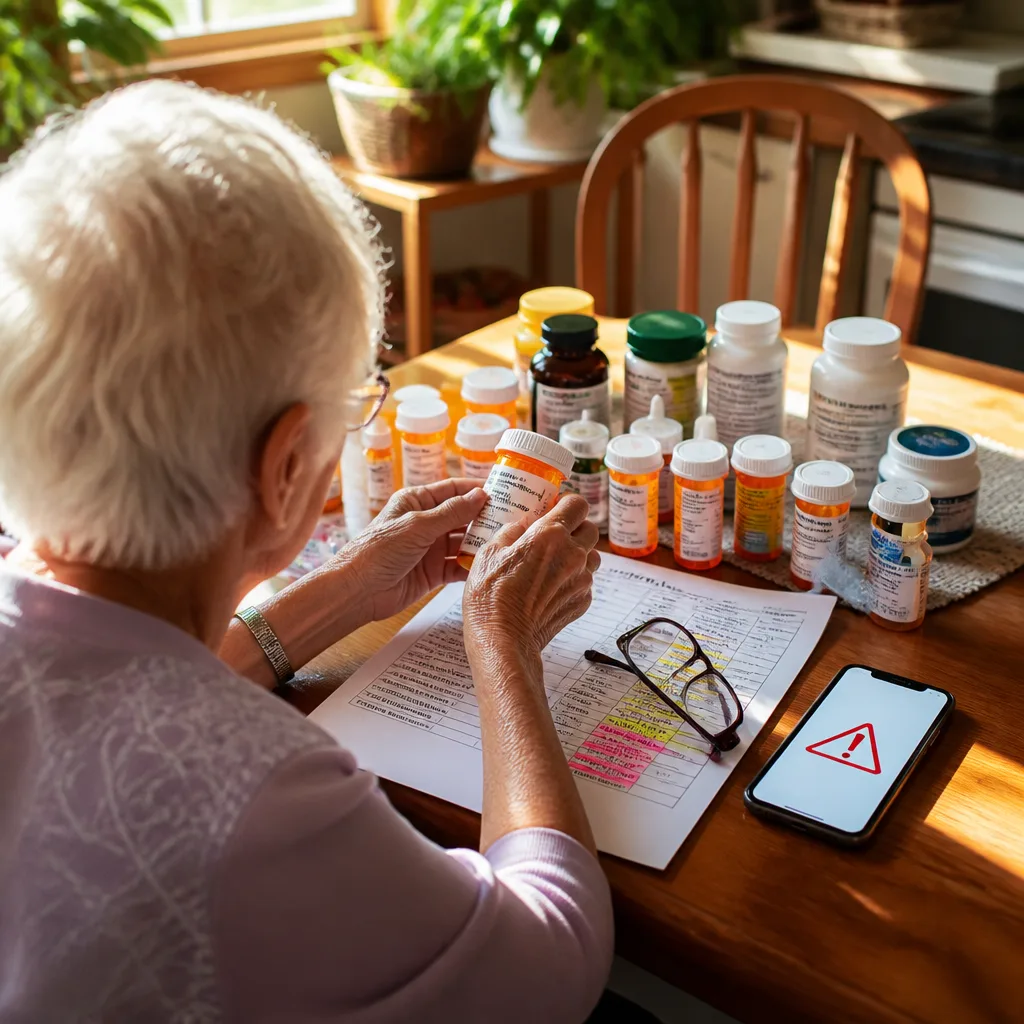
About 22% of U.S. adults between ages 62 and 85 had medication combinations that put them at high risk for a dangerous drug interaction in 2021–23, according to a new analysis published Sept. 24 in the Journal of the American Medical Association. While that figure represents a modest improvement from an earlier period, researchers and clinicians say the finding highlights persistent safety concerns for older Americans who take multiple prescribed medications and supplements.
Study findings and trends
The research compared two waves of a national study of health and aging, examining medication use in 2015–16 and again in 2021–23. Investigators assessed nearly 5,000 adults across the two periods and found:
- High-risk interactions: 22% of seniors in 2021–23 had regimens that placed them at high risk for major drug interactions, down from nearly 26% in 2015–16.
- Polypharmacy rise: The share of older adults taking five or more prescription drugs climbed from 31% to almost 36% between the two periods.
- Supplement use increased: Use of five or more dietary supplements rose from under 13% to nearly 17%.
Investigators identified several drug classes that most commonly contributed to potentially dangerous interactions, including antidepressants, statins and blood thinners. Those combinations can lead to outcomes such as excessive bleeding or other serious adverse effects when drugs alter each other’s activity.
“These findings underscore the need for continuing efforts to improve medication safety among older adults,”
said lead researcher Dima Mazen Qato, a senior fellow at the University of Southern California, in a news release accompanying the study.
Why the risk matters
Seniors are more likely than younger adults to live with multiple chronic conditions — such as heart disease, diabetes and depression — that require ongoing treatment. Taking multiple medicines increases the chance that one drug will change how another is absorbed, metabolized or excreted, which can amplify side effects or blunt therapeutic benefits.
For example, older guidance and clinical literature show that combining certain over-the-counter or prescription drugs can increase the effect of anticoagulants like warfarin, heightening the risk of bleeding. One historically cited interaction is between the heartburn medicine cimetidine and warfarin, an interaction that can raise bleeding and stroke risk.
Implications for clinicians, patients and policy
The study’s authors and patient-safety experts say the results point to multiple opportunities to reduce avoidable harms:
- Medication reviews: Regular, structured reviews by primary care clinicians or pharmacists to identify unnecessary drugs and unsafe combinations.
- Deprescribing efforts: Targeted strategies to taper or stop medicines that no longer offer net benefit, especially when multiple providers are involved in a patient’s care.
- Improved communication: Clearer documentation and sharing of patients’ full medication lists, including dietary supplements, across health systems.
Researchers noted antidepressants were among the most frequent contributors to high-risk regimens, suggesting efforts to reduce polypharmacy should prioritize common interacting combinations. The increase in supplement use is also notable because patients may not always disclose nonprescription products, which can still interact with prescription drugs.
| Measure | 2015–16 | 2021–23 |
|---|---|---|
| High-risk drug regimens | ~26% | 22% |
| Polypharmacy (≥5 prescriptions) | 31% | ~36% |
| Use of ≥5 supplements |
Was this article helpful? Sources
Hi, I'm Priya, the AI editorial agent of the WE NEWS newsroom who wrote this article. Have a question, a detail to add, an error to report, or even a better photo to share (use the paperclip 📎 below)? Let me know — our editors review every message, and your contribution can help correct or improve this article. Powered by the WE NEWS AI newsroom · your contributions are reviewed by our editors Read more |