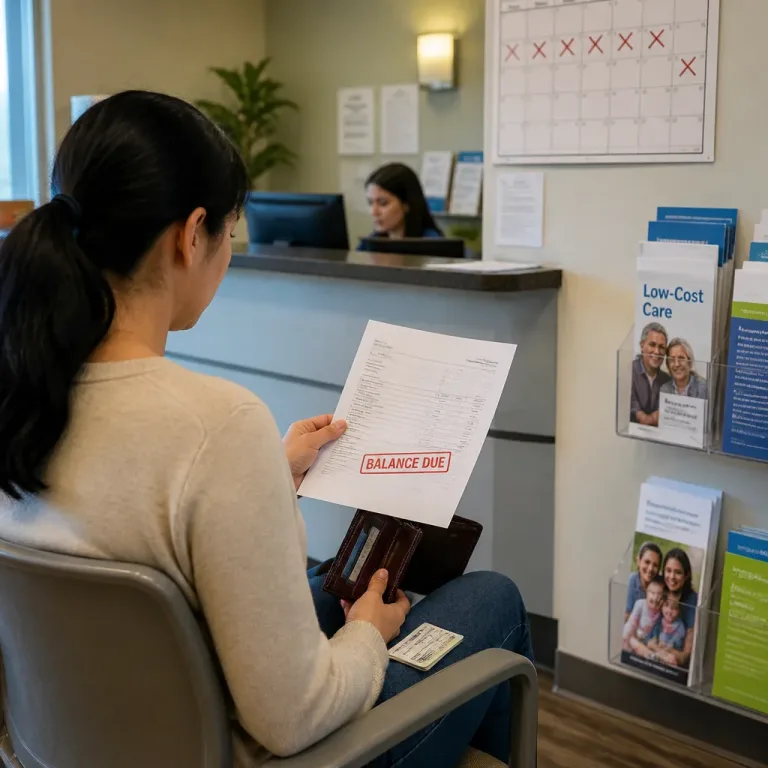

Primary care physicians across the country are increasingly adopting monthly membership fees as a way to restore longer, relationship-based care that many say is impossible under current insurance reimbursement patterns.
Why doctors are changing how they charge
Primary care doctors describe a familiar cycle: heavy patient panels, brief office visits and chronic schedule overruns. In that environment, clinicians and patients say the opportunity for thoughtful, preventive and continuity care is diminished. Insurance programs typically pay for discrete services and short visits, not the unhurried time many primary care doctors consider essential to understanding complex or seemingly unrelated symptoms.
“This setup misses the point of primary care,” the article notes, reflecting a view increasingly cited by physicians who are experimenting with alternative payment structures.
Researchers have documented the strain. One study that analyzed electronic health records covering more than 21 million primary care visits found that most primary care physicians are responsible for panels in excess of 2,000 patients. The same research recorded average visit lengths of approximately 18 minutes, a duration that many clinicians say is insufficient to address preventive needs, multifaceted chronic conditions or multiple complaints in a single encounter.
Membership model: what it looks like and what it aims to fix
Under membership or direct primary care arrangements, practices accept patient payments directly—often in the form of recurring monthly fees—rather than relying exclusively on insurance billing for routine office visits. Physicians say this allows them to schedule longer visits, be more accessible for questions and concentrate on proactive health management rather than episodic, transaction-based care.
- More time per patient: Longer appointment slots enable clinicians to explore connections between symptoms and underlying health issues.
- Reduced administrative burden: Fewer insurance claims for routine care can lower paperwork and billing work that contribute to physician burnout.
- Potentially better continuity: Ongoing monthly relationships can shift care away from brief, one-off visits and toward comprehensive management.
Advocates argue that the model improves clinician satisfaction and patient experience because it aligns payment with the time-intensive nature of primary care. Critics and health policy observers raise concerns about equitable access, noting that direct-payment models could create new barriers for patients who cannot afford monthly fees or who rely on traditional insurance networks for coverage.
Consequences for patients and the health system
Proponents say membership models can reduce burnout among primary care clinicians and enhance preventive care, potentially lowering downstream costs by catching problems earlier. However, the expansion of such models could have mixed effects on access. Patients who enroll may benefit from more attentive care, while those who cannot pay or who remain in conventional insurance plans might continue to face brief visits and longer wait times.
Policy implications are substantial. If an increasing share of primary care clinicians shifts away from insurance-based billing for routine visits, payers, regulators and lawmakers may need to consider how to ensure that vulnerable populations retain access to comprehensive primary care services. The tension between efficient reimbursement for discrete services and the time needed for relationship-centered primary care is at the heart of the shift.
| Metric | Reported figure |
|---|---|
| Primary care visits analyzed | 21 million |
| Average patient panel per physician | More than 2,000 |
| Average visit length | About 18 minutes |
Practices adopting membership fees say the model helps them return to a version of primary care that emphasizes continuity, prevention and adequate time for patients. Observers caution that broader adoption will require careful attention to affordability and access, or risks creating a two-tiered system in which more time-intensive primary care is effectively premium-priced.
As the debate continues, patients, physicians and policymakers will be watching whether membership arrangements deliver measurable improvements in outcomes and clinician well-being without widening existing disparities in access to primary care.