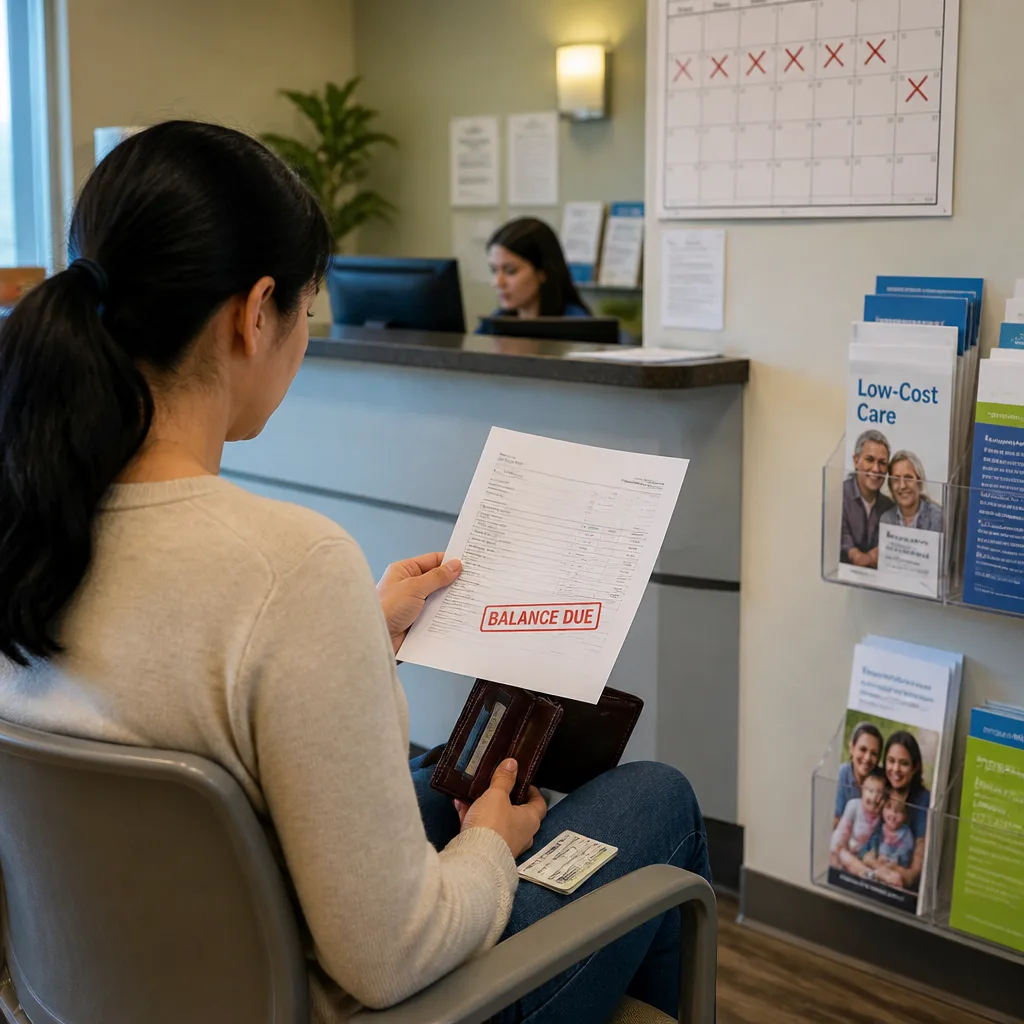
A new nationally representative survey from the Kaiser Family Foundation finds that rising health costs are prompting large numbers of women to delay or forgo medical care — even when they have insurance.
Affordability affects insured and uninsured alike
The 2026 KFF Women’s Health Survey, fielded March 11–April 14 among 4,688 women and 1,148 men ages 18 to 64, reports that 42% of women said they delayed or postponed care they believed they needed in the past 12 months because of cost. The comparable figure among men was 35%.
The findings underscore that insurance coverage alone does not eliminate cost barriers. Among women with different types of coverage, KFF found that:
- 50% of women with individually purchased plans reported delaying or postponing needed care;
- 38% of women with employer‑sponsored coverage reported delaying or postponing care;
- 34% of women with Medicaid reported delaying or postponing care;
- 68% of uninsured women reported putting off needed care due to costs.
Skipped tests and treatments pose risks
The survey also found that 31% of women ages 18 to 64 said they had skipped or postponed recommended medical tests or treatments in the past year because of cost. Higher rates were concentrated among uninsured women, women with lower incomes and those who self‑reported fair or poor health.
Health experts and policymakers have long warned that delaying preventive services, diagnostic testing and recommended treatments can lead to more advanced disease, higher long‑term costs and worse health outcomes. The KFF results provide fresh national data suggesting those concerns remain acute.
Context and consequences
Affordability has been central to national political debate amid recent high inflation, rising grocery and gas prices, and steady increases in health care costs and premiums. Historically, women face particular economic vulnerabilities: they generally have lower incomes and fewer financial resources than men and use the health care system more.
The KFF survey’s findings complicate policy discussions that treat coverage gains alone as a complete solution to access problems. Even with coverage expansions or protections, out‑of‑pocket costs, deductibles, copayments and noncovered services may deter care.
| Measure | Share reporting delay or postponement |
|---|---|
| All women (ages 18–64) | 42% |
| All men (ages 18–64) | 35% |
| Uninsured women | 68% |
| Individually purchased plans | 50% |
| Employer‑sponsored coverage | 38% |
| Medicaid | 34% |
Policy options under discussion nationally — such as capping out‑of‑pocket costs, expanding subsidies for marketplace coverage, or changing benefit design — may affect these patterns, but the survey suggests that addressing coverage alone may not remove financial obstacles to care.
Who is most affected
KFF’s report highlights that cost‑related care avoidance is concentrated among women with the fewest financial resources and among those reporting poorer health. These groups are both more likely to need care and less able to absorb medical bills or lost income related to health problems.
Advocates say the survey should spur targeted efforts to reduce financial barriers for vulnerable populations, including better affordability protections, expanded outreach for available financial assistance and policies that reduce the price of common services and prescription drugs.
As conversations over health policy continue on the national stage, the KFF findings provide updated, nationally representative evidence that many women are still grappling with the cost of care — a reality that could shape health outcomes and health policy debates in the months ahead.