An Omaha woman who spent years cycling through psychiatric treatment is urging neighbors to reach out before crisis and to treat hospitalization as part of a longer recovery process. Jenna Lempke, who grew up in the Omaha area, says she was a patient at Lasting Hope Recovery Center 15 times between 2017 and 2022 and now is speaking publicly about her experience to encourage others to seek help.
Recovery can be non-linear, she says
Lempke credited Lasting Hope staff with changing her view of psychiatric hospitalization by helping her feel supported rather than ashamed for needing care. In telling her story during Suicide Prevention Month, she emphasized that recovery does not always follow a straight line and that returning to care can be a necessary step.
“People should not view a hospital stay as the end of treatment,”
Dr. Andrew Smith, one of Lempke’s former doctors at Lasting Hope, delivered that message as he described the importance of ongoing care: symptoms may return, and returning to treatment is appropriate when needed.
Local event aims to raise awareness, funds and support
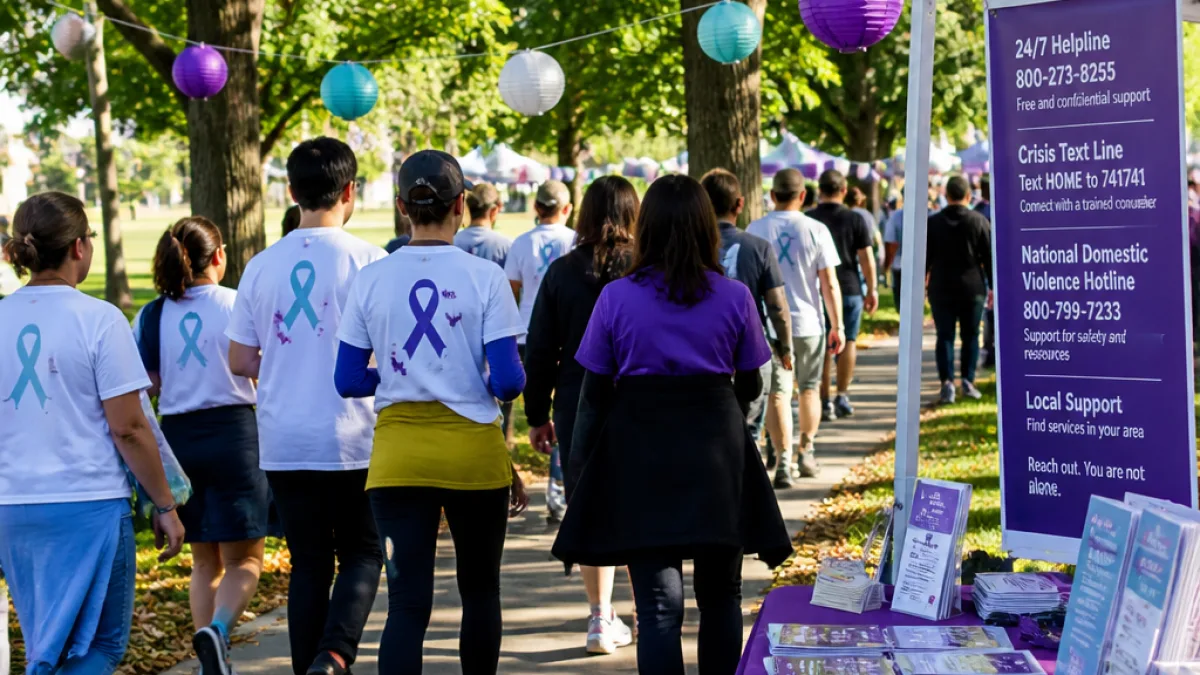
Lempke is back in Omaha this weekend for the American Foundation for Suicide Prevention’s Out of the Darkness Walk at Stinson Park. Check-in begins at 8:30 a.m., and the event starts at 11 a.m. Saturday, Sept. 26. Registration is free, and organizers say the walk is open to anyone who wants to remember someone they lost, find support, or raise money for suicide prevention programming.
- Event: Omaha Out of the Darkness Walk
- When: Saturday, Sept. 26 — Check-in at 8:30 a.m.; walk begins at 11 a.m.
- Where: Stinson Park, Omaha
- Registration: Free via the AFSP Omaha walk page
Hotlines and rising demand
The conversation comes as national crisis services report growing demand. The Boys Town National Hotline told organizers that from January through July it received more than 12,500 contacts involving suicidal thoughts — a 64% increase compared with the same period last year. Nick Zadina, with the Boys Town National Hotline, urged people not to wait until they are in immediate crisis to reach out for help.
| Resource | Contact | Notes |
|---|---|---|
| 988 (Suicide & Crisis Lifeline) | Call or text 988 | Nationwide, 24/7 |
| Boys Town National Hotline | 800-448-3000 | Available 24/7; increased contacts in 2026 |
The increase in hotline contacts underscores a broader strain on mental health systems and a need for community awareness, advocates say. Lempke also pointed to personal loss as a motivator for speaking out: her father died by suicide, and she has since focused on helping others recognize signs of crisis and access support earlier.
Why local involvement matters
Local events such as the Out of the Darkness Walk serve multiple purposes: they create public visibility for suicide prevention, raise funds for programs and offer a space for people affected by suicide to connect. For those who have experienced repeated hospital stays, advocates stress that community support and follow-up care are critical to reducing isolation and preventing future crises.
Organizers and clinicians encourage Omaha residents to learn warning signs of suicide, check in with friends and family, and keep local resources and the 988 line readily available. They also recommend connecting with evidence-based treatment providers and peer support organizations in the region.
Anyone in immediate danger should call 911. For non-emergency support related to suicidal thoughts or mental health crises, call or text 988 or contact the Boys Town National Hotline at 800-448-3000. The AFSP Omaha walk page has registration details for those wishing to participate in the Stinson Park event.