Fisherman injured walking toward trail parking after encountering bear
JEFFERSON COUNTY — A man walking toward the North Fork trail parking area near the confluence of the Platte rivers suffered leg injuries Friday after being attacked by a black bear, according to Colorado Parks and Wildlife.
Witnesses who were with the man said the bear, identified by wildlife officials as a subadult sow, knocked him down and bit his legs. Friends and other bystanders intervened, eventually driving the bear away. The injured man was transported to a local hospital for treatment.
Officers dispatched a tracking team; bear located and euthanized
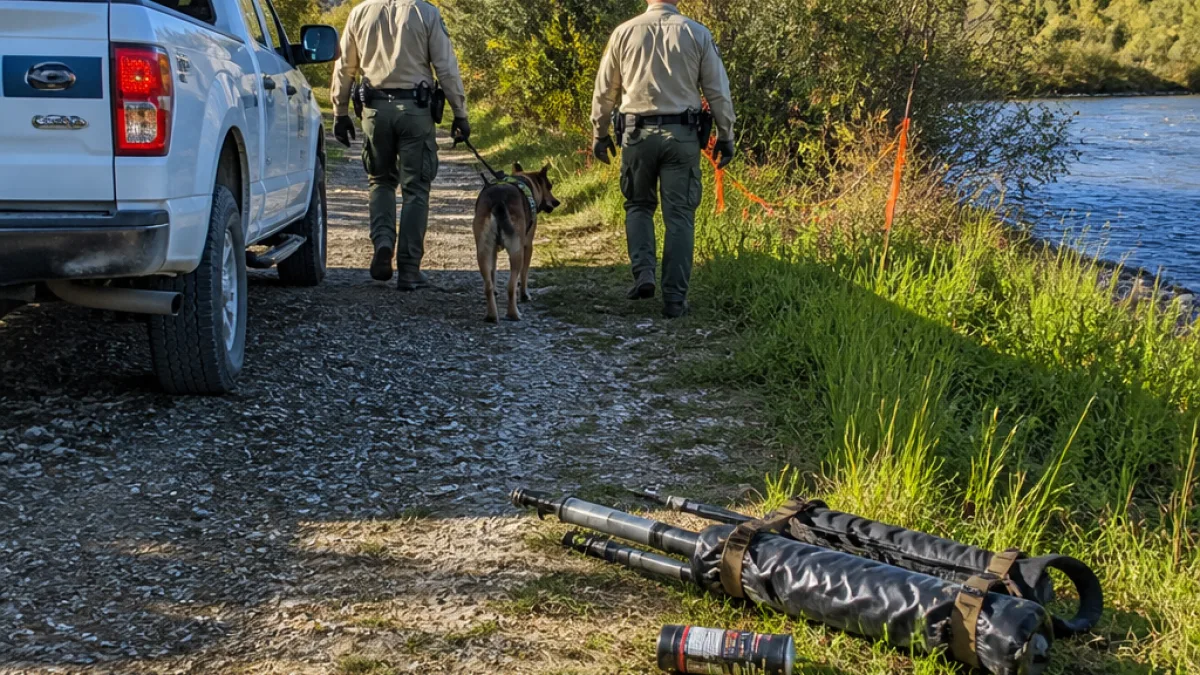
CPW officers searched the area after the assault and enlisted a U.S. Department of Agriculture Animal and Plant Health Inspection Service dog team to help track the animal. The team located the bear early Saturday morning. Following agency policy for bears involved in attacks on people, the animal was euthanized.
Authorities described the bear as weighing approximately 50 to 60 pounds and said they believe she was without cubs. A necropsy will be performed by veterinarians to help determine the animal’s health and any contributing factors.
Officials link the attack to seasonal feeding behavior and drought impacts
Colorado Parks and Wildlife noted this was the sixth reported bear attack in the state this year and emphasized the role of hyperphagia — a seasonal period when bears intensify food-seeking ahead of winter — in increasing risky interactions with people.
Agency officials said ongoing drought conditions have reduced natural food availability, which can push bears into developed areas and prompt bolder behavior as they search for calories.
What CPW is urging residents and visitors to do
To limit the risk of human-bear encounters, CPW reiterated standard precautions and offered a list of steps to reduce attractants and avoid conflict.
- Secure all potential food sources: trash, food scraps, pet food, grills and bird feeders.
- Use bear-resistant containers when camping and store food away from sleeping areas.
- When recreating outdoors, stay together in groups, remain aware of surroundings and avoid areas near dense cover or obvious natural bear foods.
- Never run from a black bear; back away slowly. If a bear approaches, stand your ground, wave your arms and make loud noises.
- Carry bear spray in bear country and know how to use it.
"hey bear"
CPW specifically recommends loudly shouting phrases such as the one above to deter an approaching bear. The agency also advises that if a bear attacks, people should fight back aggressively.
Local and seasonal context
Wildlife experts say bear-related incidents typically climb in late summer and early fall as animals put on weight for winter. When natural food sources such as berries, nuts and insects are scarce, the likelihood that bears will venture into neighborhoods and recreational sites rises.
Because this episode occurred near a popular trailhead and rivers confluence, officials urged heightened vigilance by both residents and visitors in the area. Officers continue to monitor known bear activity and ask the public to report sightings and any evidence of bears feeding on human-provided attractants.
Information authorities will seek from the necropsy
The forthcoming necropsy will help wildlife veterinarians assess the bear’s health, nutritional state and possible disease or human-related conditioning that could explain unusually bold behavior. Results may inform future management steps and public advisories.
| Detail | Reported |
|---|---|
| Incident date | Friday (reported by CPW) |
| Bear | Subadult sow, ~50–60 lbs |
| Outcome | Bear located Saturday; euthanized |
| Statewide context | Sixth reported bear attack this year |
How to report bear sightings
CPW asks residents to report bear sightings, aggressive behavior, or attractant problems to their local wildlife office so officers can respond and advise on mitigation steps. Timely reporting helps wildlife managers identify problem animals and reduce the risk of repeat encounters.
As Colorado moves deeper into the season when bears are focused on feeding, officials say basic precautions can make a meaningful difference in preventing injuries and preserving both public safety and bear populations.
— Hannah Sorensen, WE NEWS