
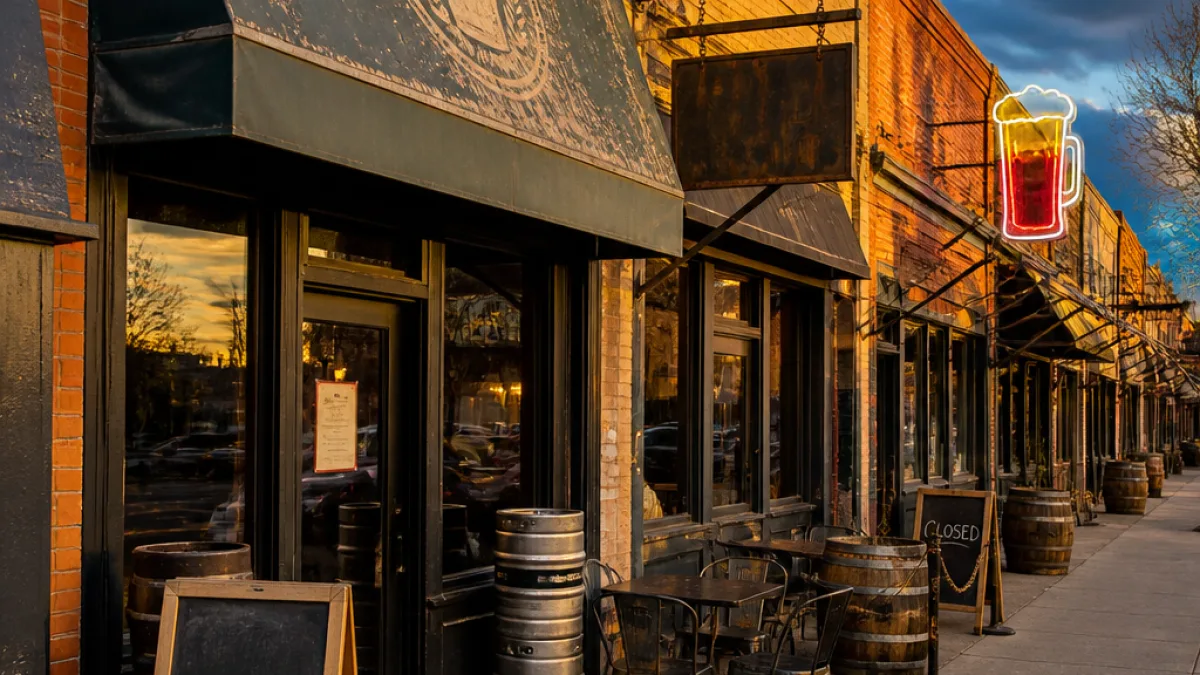
Historic and recent closures change Fort Collins’ craft-beer landscape
Fort Collins’ reputation as a Colorado craft-beer hotbed is reflected not only in the number of operating breweries but also in the long list of brewpubs and production houses that have closed over the years, according to a recently shared compilation on social media.
A post by the Facebook page Colorado Beer Geek assembled closures across the state and identified a substantial number of Fort Collins operations that no longer produce beer. The compilation ranges from establishments that closed decades ago to ones that shuttered within the last few years. The list underscores a steady churn in the local industry and highlights how economic, market and operational pressures have affected the city’s brewing community.
"Craft beer is a Colorado way of life," the post says, noting that not every craft brewery stands the test of time.
Among the Fort Collins breweries listed as closed are long-running operations and those with relatively short lives. The compilation includes, by year range given on the list:
- Lindens Brewing Company (1982–2003)
- Old Colorado Brewing (1989–2002)
- H.C. Berger Brewing Co. (1992–2002)
- Dimmers Brew Pub (1995–1997)
- C.B. & Potts (1997–2016)
- Fort Collins Brewery (2004–2017)
- Pateros Creek Brewing (2011–2017)
- Black Bottle Brewery (2012–2023)
- 1933 Brewing Company (2014–2017)
- Funkwerks (2010–2025)
That sampling represents part of a larger list included in the social-media post. Other Fort Collins names on the compilation include Snowbank Brewing (2014–2024), Envy Brewing (2019–2024), Rally King Brewing (2015–2026) and SweetWater Fort Collins (2021–2024). Some closures date back to the 1980s and 1990s, while others occurred in the 2010s and 2020s.
| Notable closed Fort Collins breweries | Open–Close years |
|---|---|
| Lindens Brewing Company | 1982–2003 |
| Fort Collins Brewery | 2004–2017 |
| Funkwerks | 2010–2025 |
| Black Bottle Brewery | 2012–2023 |
Local implications: economy, identity and preservation questions
For a city often associated with craft beer, the scale of closures raises practical and cultural questions. Breweries contribute to local employment, draw visitors and support ancillary businesses such as restaurants, bike-tour operators and retail shops. Closures can mean job losses and reduced foot traffic in neighborhoods anchored by taprooms.
Beyond economics, brewery openings and closings shape Fort Collins’ cultural identity. The city’s beer scene has been a point of pride and a tourist draw; long-term closures can signal changes in consumer tastes, rising costs, consolidation within the industry or operational challenges specific to a competitive market.
The social-media compilation also places Fort Collins’ closures in a broader Northern Colorado context. The post notes that adding neighboring towns such as Loveland and Greeley increases the statewide total by more than 30 additional closures, suggesting regional forces at work in addition to local ones.
What’s next for the city’s beer scene?
While the list catalogs losses, Fort Collins retains an active brewing community and a history of new ventures forming to serve residents and visitors. Craft-beer markets are dynamic: some breweries expand or shift focus while others consolidate or disappear. How the local industry adapts — whether through new startups, shifts to canning and distribution, or diversification into nonbeer beverages — will determine Fort Collins’ next chapter as a brewing center.
The Colorado Beer Geek post provides the assembled list; readers seeking the full statewide compilation can consult that social-media entry for more details. City residents and business owners may want to track how closures affect commercial corridors and neighborhood vitality as Fort Collins’ beer economy continues to evolve.
















