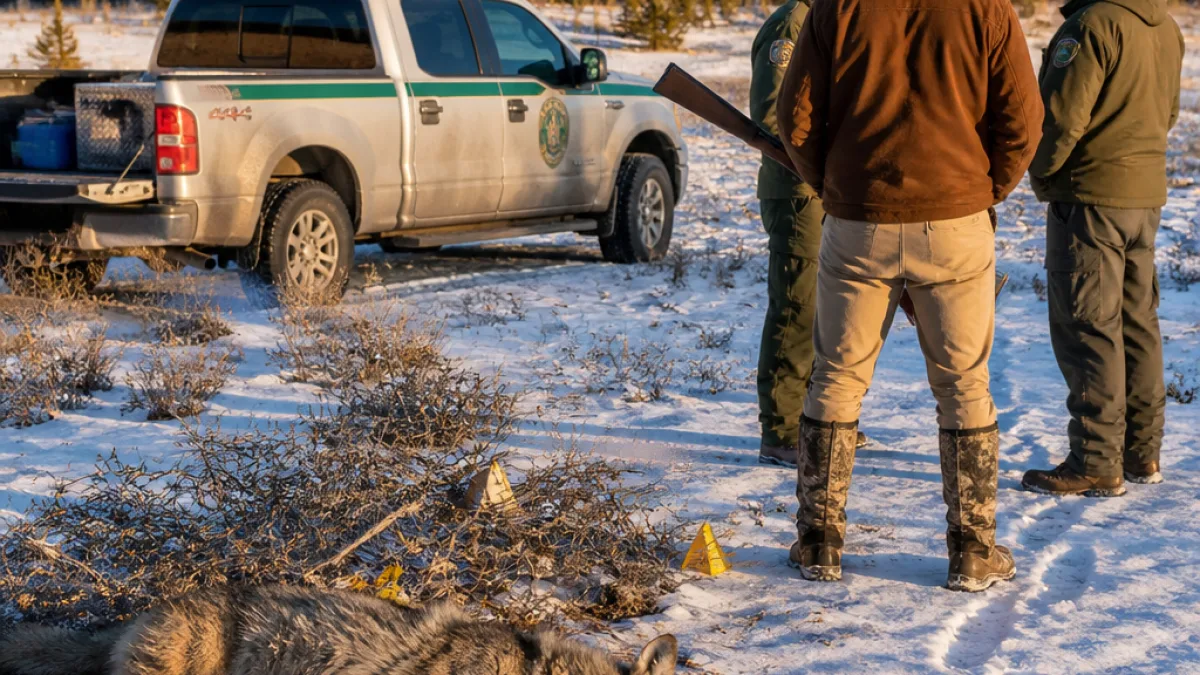
Colorado Parks and Wildlife on Monday confirmed that a female wolf brought to the state from British Columbia was fatally shot in January by a hunter who believed the animal was a coyote. The agency identified the animal as 2504‑BC and said she was among 17 relocated wolves that have died since April 2024.
Investigation and enforcement
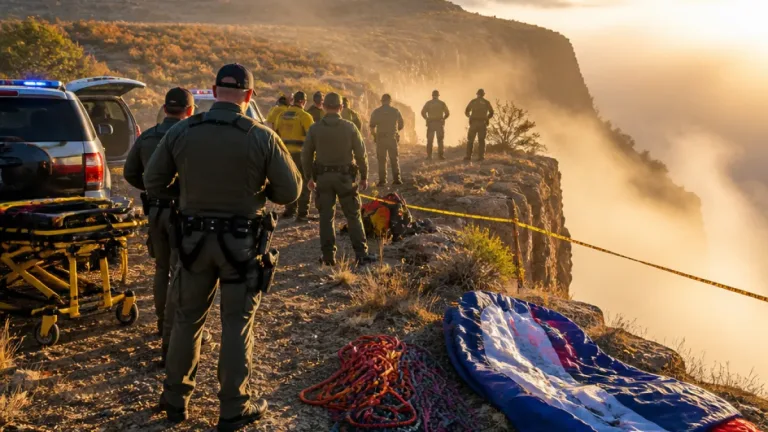
CPW said the shooting occurred in northwest Colorado but did not provide a specific county. Agency officials said the hunter immediately reported the incident and cooperated with investigators. CPW cited the individual for violating agency regulations but opted not to pursue additional criminal charges.
"Unlawful take of protected species is a criminal act that can carry serious penalties. Through CPW’s investigative process, we determined that the hunter made the ethical choice to immediately report the incident and take responsibility for the mistake," said Ty Petersburg, Colorado Parks and Wildlife’s chief of law enforcement and assistant director of field services.
Wolves are protected under state and federal law in Colorado, though state policy allows lethal removal in limited circumstances, such as when a wolf repeatedly kills or attacks livestock. Over the past year, wildlife officers have killed three wolves under that authority, CPW said.
Context of the reintroduction effort
The wolf in question was part of a multi-source relocation effort. Seventeen animals relocated since April 2024 have died, according to CPW. The group included animals moved from British Columbia and additional wolves that arrived from Oregon in late 2023.
From the Oregon transfer of December 2023, ten wolves were part of that cohort; CPW said six of those ten have died. Among those deaths was the male of the breeding pair for the Copper Creek pack, a pair linked to repeated livestock losses across Grand, Routt and Pitkin counties. State officers removed two animals from that pack after findings of repeated depredation.
| Relocation group | Number moved | Reported deaths |
|---|---|---|
| British Columbia group | Not specified (includes 2504‑BC) | At least 1 (2504‑BC) |
| Oregon group (Dec. 2023) | 10 | 6 |
| Total relocated since Apr. 2024 | Not specified | 17 |
Local impact and ongoing concerns
Wolves that have formed packs in Colorado produced offspring this year, according to CPW. The agency reported new packs and pups in multiple counties: the Piney Ridge pack in Eagle County, the One Ear pack in Jackson County and the Three Creeks pack in Rio Blanco County. The agency did not release figures on litter sizes.
Not all recent deaths have confirmed causes. CPW said the breeding pair for the King Mountain pack — based in Routt County — died this year, but it did not disclose what caused their deaths. The pair had earlier produced four pups, agency officials said.
What authorities and residents should know
CPW reiterated that wolves remain protected and emphasized the importance of reporting incidents involving wildlife. The agency’s statement underscores enforcement options when wolves injure livestock and the balance officials are attempting between conservation goals and ranching concerns.
- Reporting: Hunters or members of the public who encounter a potentially protected species should report the sighting to Colorado Parks and Wildlife.
- Identification: Anglers and hunters are advised to exercise caution and ensure positive identification of animals before shooting.
- Livestock conflicts: Lethal removal remains an available tool when wolves repeatedly depredate livestock, per the state plan.
Federal involvement and interstate movements
The U.S. Fish and Wildlife Service has been involved in actions related to wolves that moved between Colorado and neighboring states. Federal agents killed at least one — and possibly a second — wolf from the British Columbia group after it migrated into Wyoming last year, according to CPW.
As Colorado continues to navigate the complexities of wolf restoration, agency officials face pressure from ranchers, conservationists and hunters to manage public safety, livestock protection and species recovery. The death of 2504‑BC highlights the challenges of reintroducing a large carnivore in a region with active hunting seasons and mixed land use.
Colorado Parks and Wildlife did not immediately provide additional details about the incident or the location of the shooting when reached Monday evening.
Hannah Sorensen is the state correspondent at WE NEWS.