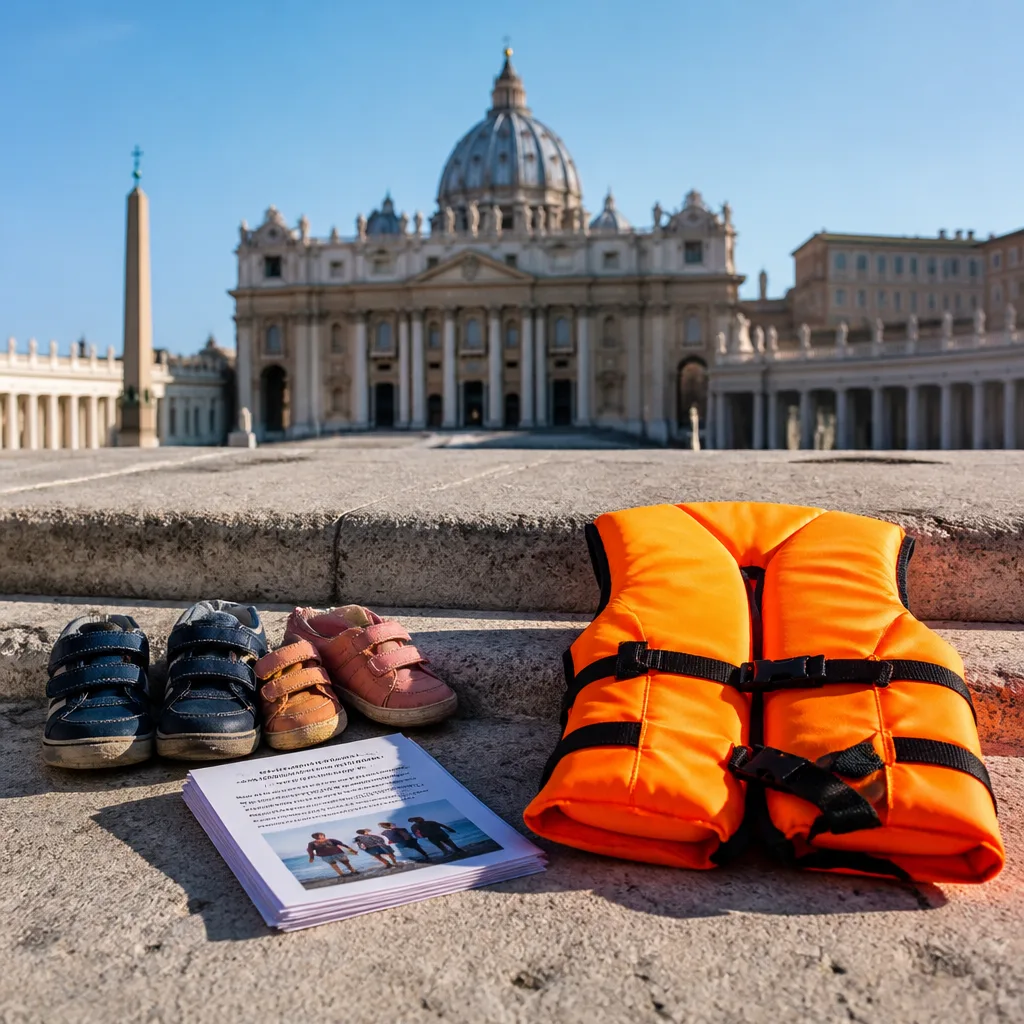
The Vatican published Pope Leo XIV’s message for the World Day of Migrants and Refugees on Aug. 14, urging the international community to stop viewing displaced children as a statistical problem and instead recognize their rights and dignity. The observance is scheduled for Sept. 27.
Children at the center of migration debate
In the message, the pope focused on the theme, “Even just one of these children,” emphasizing that minors represent the most vulnerable segment of global migration. He noted that rising numbers of children and adolescents are forced to flee their homes because of war, poverty, violence, environmental disasters and other tragedies.
The pope warned that the hardships do not end when children reach a new location. Many have suffered the loss of family members or friends through violence or separation and are frequently exposed to "extreme and traumatic conditions," he said.
“Minors are the most vulnerable group within the global movements of migration. They are concrete faces, who have unique stories, and call on our conscience,”
Pope Leo XIV warned against growing indifference. “We cannot remain indifferent, nor can we become accustomed to such suffering,” he wrote, framing the issue as one that should prompt a protection-based response rather than administrative management.
Violence, exploitation and the journey itself
The message highlights additional risks faced by migrant children along migration routes, including deaths, trafficking and exploitation. Those dangers compound the initial traumas that forced children to flee and create long-term needs for protection, care and psychosocial support.
While the Vatican did not prescribe specific policy measures in the text, the emphasis on dignity and rights positions the Holy See alongside child-rights advocates who have for years called for stronger international protections for unaccompanied and separated children and for migration policies that prioritize safety and family unity.
Global snapshots cited by the Vatican
The Vatican message included references and images illustrating the broad scope of child displacement. Among the examples are children who fled Sudan during fighting between the Sudanese army and the paramilitary Rapid Support Forces and Palestinian children pictured amid a hunger crisis in Gaza. These visual references underline the multiple causes — conflict, humanitarian crisis and instability — that drive child migration.
| Date | Event |
|---|---|
| Aug. 14, 2026 | Vatican released the pope's message |
| Sept. 27, 2026 | World Day of Migrants and Refugees observed |
Implications for governments and aid groups
The pope’s appeal arrives amid ongoing international debates over asylum procedures, border controls and humanitarian funding. For governments, the message reinforces calls from international organizations for child-sensitive migration policies, more robust protection mechanisms and resources for transit and host communities. For humanitarian agencies and faith-based groups, it offers renewed moral impetus to prioritize services for children who have been displaced.
Experts and advocates often emphasize a range of responses required to meet the needs the pope outlined, including safe pathways for family reunification, protective reception facilities, trauma-informed care and programs to prevent trafficking and exploitation.
- Key moral framing: The Vatican presents child migration as a rights and dignity issue rather than a management problem.
- Visible causes: Conflict, poverty, violence and environmental disasters are cited as drivers of displacement.
- Ongoing risks: Deaths on migration routes, trafficking and exploitation compound initial traumas.
By centering the conversation on “even just one” child, the Vatican seeks to sharpen attention on individual human stories within vast migration flows. Whether governments and international institutions respond with policy changes, increased funding or strengthened protections will determine how the pope’s appeal translates into concrete improvements for displaced children in the months ahead.