Twenty-five years after their arrest, four Eritrean journalists remain detained without trial and effectively disappeared, human rights and press-freedom groups say, renewing international calls for the government of Eritrea to provide information on their whereabouts and legal status.
Quarter-century of detention
On Sept. 23, 2026, Reporters Without Borders (RSF) marked the 25th anniversary of the detention of Dawit Isaak, Temesgen Ghebreyesus, Seyoum Tsehaye and Amanuel Asrat. The four were arrested in Asmara in September 2001 during a sweeping crackdown on independent media and dissent. According to RSF, they have been held without trial and without regular access to family or lawyers.
Isaak, a Swedish-Eritrean journalist and co-founder of the independent newspaper Setit, had written pieces calling for democratic reforms. He was briefly released in November 2005 and detained again two days later. Since the initial arrests, authorities have not publicly produced formal charges or tried the men, and their locations and health have remained unconfirmed, RSF said.
International pressure and legal steps
RSF and a coalition of journalists have mobilized international attention and legal action in recent years. In 2024, RSF filed a complaint in Sweden that alleges crimes against humanity by Eritrean President Isaias Afwerki and other senior officials connected to the long-term detentions, RSF said. In late 2025, a Swedish government delegation — the first in more than 30 years, the ministry said — assessed that Isaak was alive, according to statements carried by Agence France-Presse.
“I don’t care where he is or what he is doing. He did a big mistake,”
— President Isaias Afwerki, responding to questions about Dawit Isaak’s situation in a 2009 interview with Swedish television channel TV4.
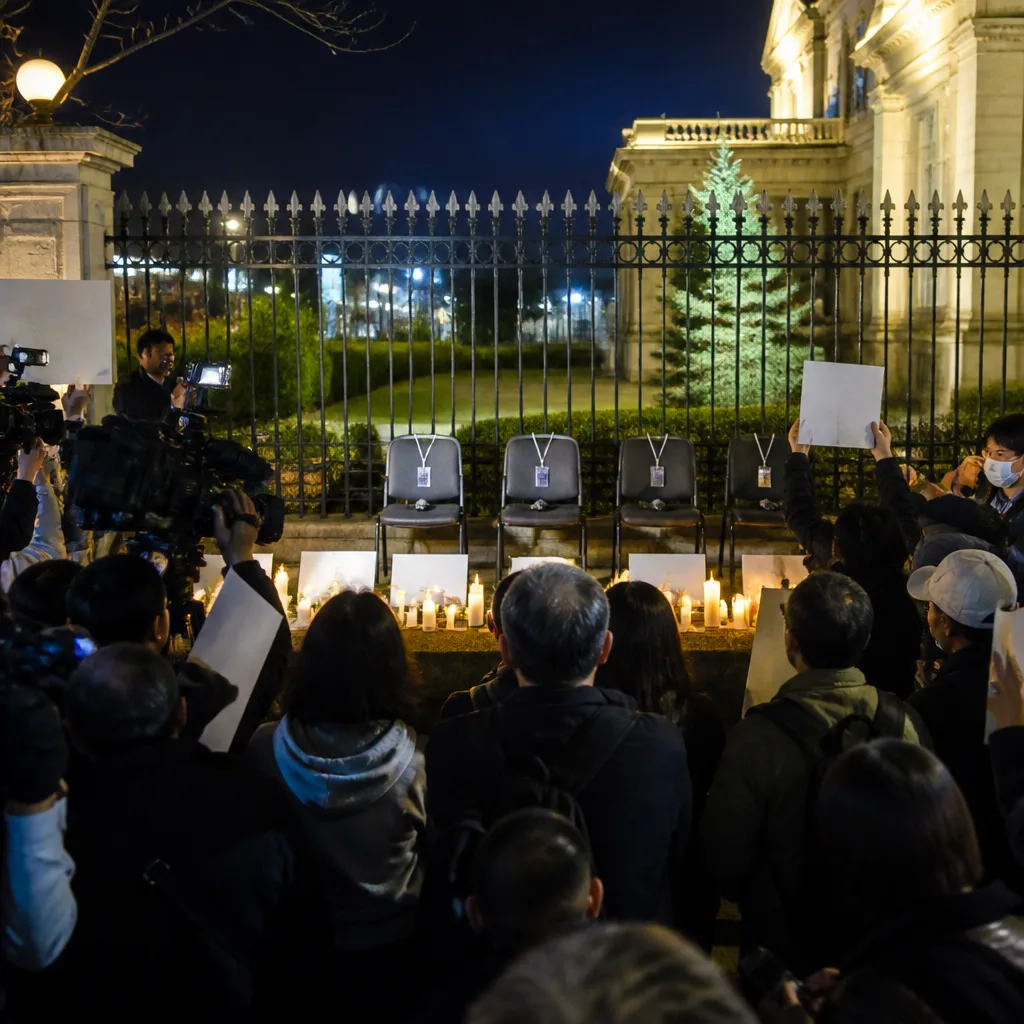
RSF said that, to mark the anniversary, prominent journalists from around the world have called for the release of the four men and for fuller transparency from Eritrean authorities. The organization framed the detentions as not only an individual human-rights tragedy but also an assault on Eritreans’ right to information.
- Names of detainees: Dawit Isaak, Temesgen Ghebreyesus, Seyoum Tsehaye, Amanuel Asrat.
- Arrest year: 2001.
- Legal status: Held incommunicado, never tried.
- International action: RSF complaint filed in Sweden in 2024; Swedish government visit and assessment in 2025.
| Journalist | Arrested | Years detained (as of 2026) |
|---|---|---|
| Dawit Isaak | 2001 | 25 |
| Temesgen Ghebreyesus | 2001 | 25 |
| Seyoum Tsehaye | 2001 | 25 |
| Amanuel Asrat | 2001 | 25 |
What advocates say and next steps
RSF called the prolonged, incommunicado detention a “grave and blatant violation” of fundamental rights and urged the international community to press Eritrea for accountability and the release of the detainees. The organization said journalists worldwide have mobilized to demand answers and to increase diplomatic pressure.
Advocacy groups have also highlighted the broader chilling effect the detentions have had on independent reporting in Eritrea, where the state maintains tight control over media and public discourse. The case remains a focal point for press-freedom campaigns and for legal efforts aimed at holding senior Eritrean officials to account in foreign jurisdictions.
As the anniversary passed, calls from journalists and human-rights organizations emphasize transparency, a credible investigation into the arrests and legal proceedings that conform to international standards. Eritrean authorities have not released public, verifiable information about the detainees’ current conditions or legal status that would satisfy advocates’ demands for clarity and due process.
The fate of Isaak, Ghebreyesus, Tsehaye and Asrat continues to resonate in international human-rights debates and in diplomatic exchanges, underscoring persistent tensions between Eritrea and governments and organizations pressing for accountability.